
20 Years of Radical DIY Publishing, Brick-by-Brick
The independent publisher PM Press, founded in 2007 by Ramsey Kanaan and Craig O'Hara, looks to continue for another 20 years.

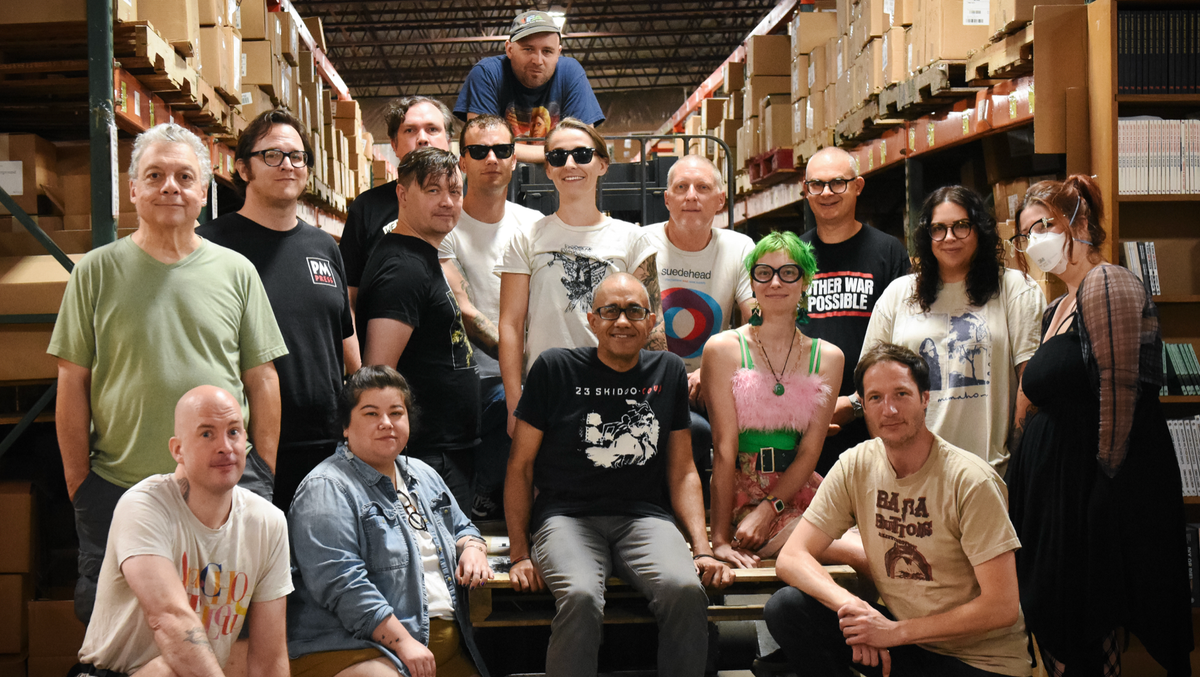
In 2027, PM Press will be celebrating their 20th anniversary. Since 2007, the radical independent publisher has released over 700 titles and sold millions of books by authors like Ursula K. Le Guin, Samuel R. Delany, Silvia Federici, Cory Doctorow, James Kelman, and more. Their books have spanned a number of genres and topics—from literature, art, music, politics, history, and culture.
They recently launched a Kickstarter campaign to help them pay off the mortgage for their 18,000-square foot warehouse in Binghamton, NY, the space where they store their books and also host events. They note, "This isn’t a crisis. PM Press is fiscally sound and continues to grow sustainably. But paying off the balance now, before the interest rate spike, makes long-term financial sense and frees up resources for our core mission, rather than lining the pockets of banks."
They see the warehouse as a cultural hub. In it, they also provide warehousing and order fulfillment for organizations like Labor Notes, Working Class History, and the Emergency Workplace Organizing Committee (EWOC). The extra space also helps them to produce merchandise that has raised tens of thousands of dollars for a number of nonprofits.
Owning this warehouse allows them more freedom to continue to do what they've been doing for close to 20 years. To celebrate 20 years, and the campaign, we asked PM Press a few questions, which they, fittingly, answered collectively.
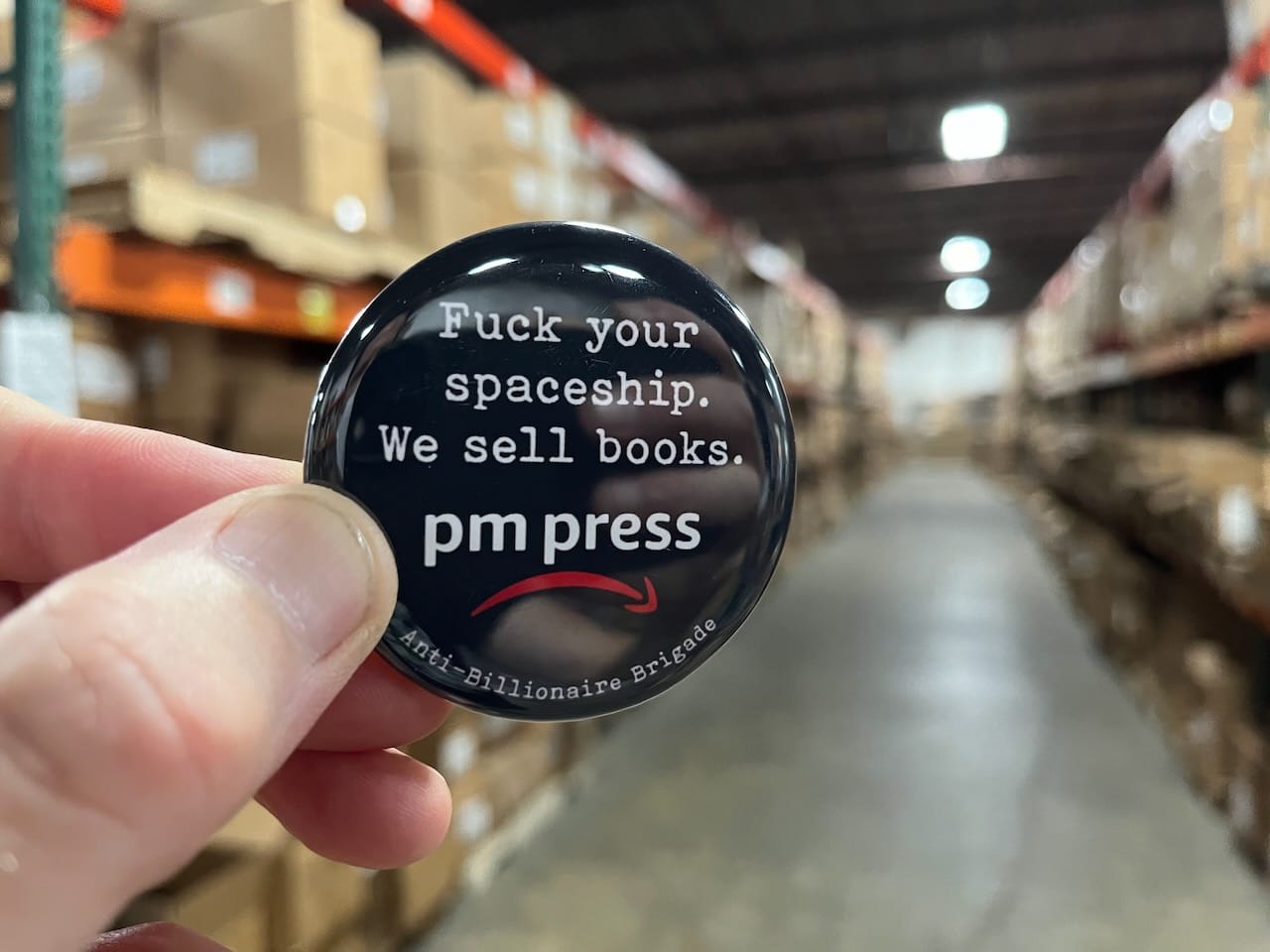
You launched PM Press in 2007. This was during a terrible financial crisis. How have you managed to keep things going for 20 years?
In late-stage capitalism it is always one crisis after another. When PM Press was first launched none of us took any money from it. But, as we have shifted into paying ourselves we have found ourselves to be well-positioned to speak to the times we currently live in (and each new uprising and crisis as they occur) with the types of books we have been publishing since the beginning. Whether that be the crumbling edifices of empire, the George Floyd uprising, the surge of fascism around the world, and more. We also truly believe in the work we do. We take seriously the notion that ideas matter, and we think that the printed word is still a viable medium to spread radical ideas. On a more concrete level, we’re good at what we do, and we work really fucking hard.
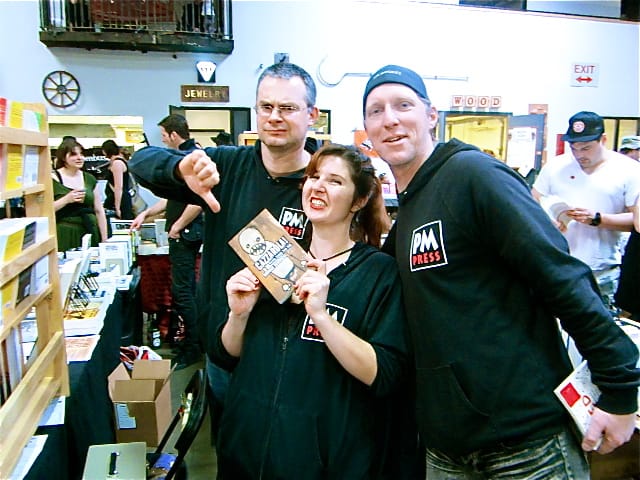
I’ve found that things tend to have a better chance of succeeding when they feel organic/real. Things succeed when the people behind them aren’t afraid to roll up their sleeves and take on multiple jobs to ensure their labor of love keeps going. How important were those early days of walking dogs, laying asphalt, etc., to creating the foundation for PM Press?
One of the unique things about PM is that we mostly come from working-class backgrounds. Additionally, most of PM comes from the world of underground music. So, from the beginning, PM has always been organically DIY. How do you start a publishing company from scratch? I mean, with literally nothing? You work graveyard shift doing road construction and then sit at a desk reading manuscripts and answering emails during the day. Or you walk dogs for several hours each morning and ship out web orders during the rest of the day. Then on weekends you show up at conferences, book fairs, and punk shows with a folding table and several boxes of books. For the first few years, none of us were drawing wages at PM, so we had to work odd jobs just to pay our own bills and feed ourselves. PM has never received any sort of institutional support, and we don’t have any wealthy financial backers. We did the work. And, you know what, for most of us it never felt like self-exploitation. In fact, it was exciting as hell to come off a grueling ten-hour construction shift and dig right into PM-related work. Though I’m not sure we could pull this off again in 2026!
How do you start a publishing company from scratch? I mean, with literally nothing? You work graveyard shift doing road construction and then sit at a desk reading manuscripts and answering emails during the day.
We also believe that the "labor of love" mindset coupled with releasing materials with ideals and concepts that we truly believe in was, and is, absolutely essential to keeping the ball rolling. Without that one would begin to ask "Why the hell am I repeatedly bashing my head against the wall to put ideas out into the world that are often met with hostility by those who wish to preserve the status quo?" To this day everyone at PM Press continues to wear many different hats doing whatever needs to be done because, while we all come from different backgrounds, each of us believes in the mission of PM Press to help create a world that is better and more fair and more just than the one we currently live in. While the personal paths we each take to achieve that end might differ a bit, the goals of liberation, equality, personal freedom and mutual aid remain consistent.
This will likely be impossible to answer, but... What titles are you most proud of having published? Or, if that's too hard... Which titles seem to have made the biggest cultural impact?
You’re correct, this one is tough! Mostly because everybody at PM probably has a different answer. But here are a few favorites:
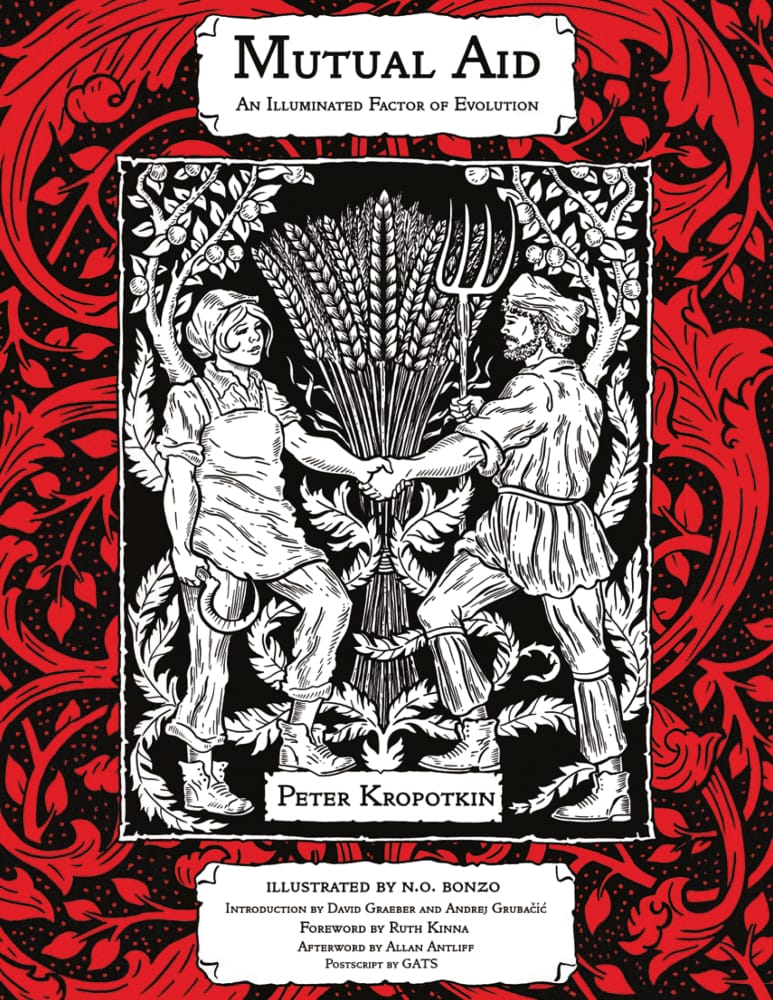
Mutual Aid: An Illuminated Factor of Evolution by Peter Kropotkin. Every page of the newest edition of Mutual Aid is beautifully illustrated by N.O. Bonzo and includes artwork by GATS and insightful commentary by David Graeber, Ruth Kinna, Andrej Grubacic, and Allan Antliff. It’s an anarchist classic, and proved to be a wildly successful Kickstarter project.
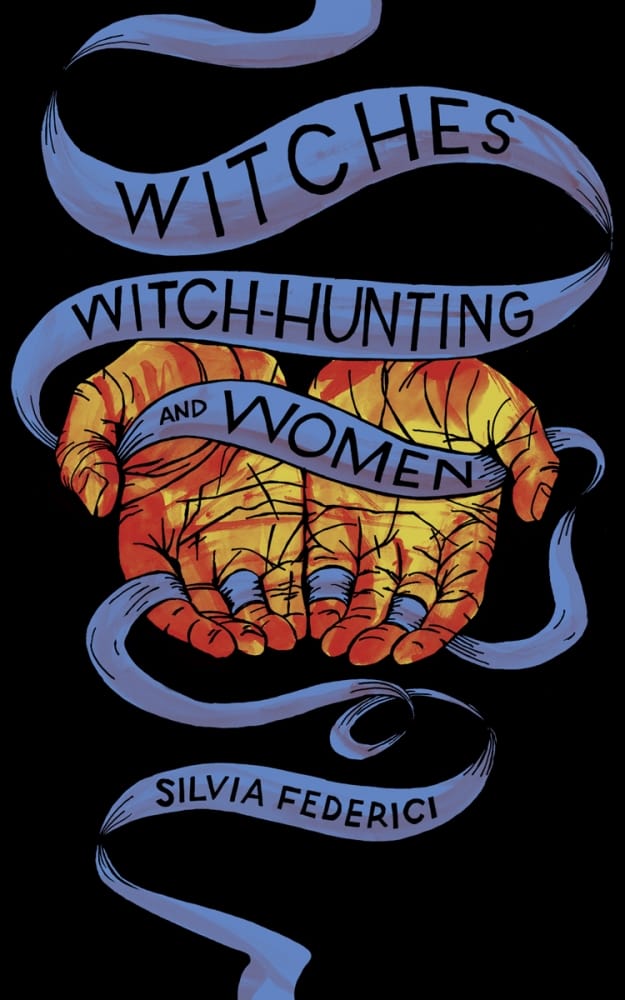
Witches, Witch-Hunting, and Women by Silvia Federici, who’s probably the most important Marxist feminist of our time. This feminist call to arms provides new ways of understanding the methods in which women resist victimization and offers a reminder that reconstructing the memory of the past is crucial for the struggles of the present.
The Wild Girls by Ursula K. Le Guin, a longtime friend and supporter of PM literary and a giant who inspired us and many to envision alternative realities. As she said, we’ll need writers who remember freedom. We’re proud to have published a few of her books.

The Outspoken and the Incendiary: Interviews with Radical Speculative Fiction Writers by Terry Bisson which has a Foreword by Jonathan Lethem, Introduction by Nisi Shawl, Afterword by Nalo Hopkinson, and Elegies by Rudy Rucker and Peter Coyote. This book collects interviews with a "who's who" of radical science fiction authors from PM’s Outspoken Author Series that our dear friend and comrade Terry Bisson edited and helmed for almost 20 years until his passing in 2024.
What do you get out of this work? What's it taught you about yourself?
We have always considered PM Press to be a political project: our modest contribution, much like countless tiny tributaries that give the mightiest rivers their strength. The hours are long and the pay is low. But when things seem bleak (and they are bleak!), we are nourished by the relationships we have forged with thousands of people all over the world who are working for a better tomorrow. Everybody says that it’s a marathon, not a sprint race. Radical publishing is more like a hundred back-to-back ultra marathons—you gotta set a sustainable pace and keep on keeping on. Mostly, I’ve learned not to take myself so damn seriously.
How have you been able to expand so much, post-Covid?
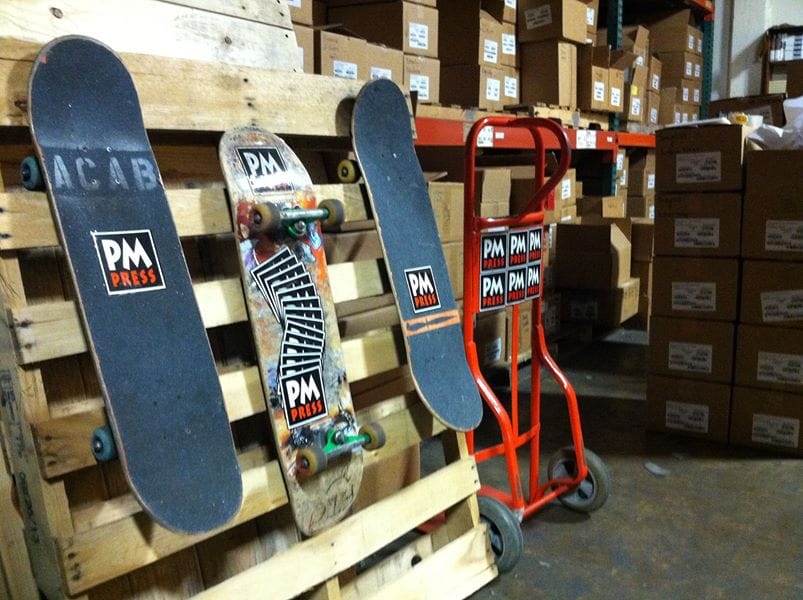
The short answer is that we smartly set ourselves up so that we control our means of distribution as much as possible. Meaning, most of our books have actually been sold one at a time, face to face. And many of these thousands of people also purchase books directly from our webstore where each book is packed and shipped by somebody at PM. So when the world shut down during the pandemic, and overnight all publishers basically lost their entire network of distribution, we were able to safely carry on filling orders because we had our own warehouse—albeit a rented space—where we continued to ship our books across the globe. And it was this very experience that made it clear we couldn’t keep up with the precarity of renting a space where we’d be at the mercy of landlords, rising rents, etc.; we needed to buy our own warehouse.
We have witnessed so many leftist institutions that seemed like they would be around forever just disappear due to being priced out of the rental market.
And as mentioned earlier, because of the very nature of what PM publishes we were already well-positioned when concurrent with Covid the George Floyd uprising happened. With the eventual Covid lockdown that occurred folks were looking for information and ideas to help place things in context and also challenge the racial and class strata that exist the world over. Also, many people like myself when given those stimulus checks (to keep capitalism from imploding) used the money to support smaller non-traditional and radical entities that they wanted to see continue. So, it is with that generosity, and no small sense of embarrassment, the PM actually thrived while others had a rough go of it during Covid. Since we still had only one person running the warehouse we were able to carry on filling orders and providing information to folks. Afterward, for the time in PM's existence, we were presented with having a "nest-egg" so to speak. No more having to hold onto our paychecks until there was enough money in the bank that month. What to do?

We made the collective decision to try and buy a warehouse somewhere a little cheaper than in the Bay Area where we started. We have witnessed so many leftist institutions that seemed like they would be around forever just disappear due to being priced out of the rental market. We figured that if we cannot yet own the means of production, we can at least own the means of distribution and benefit from all the other facets that come with that. Like being able to distribute materials for comrade organizations, renting warehouse space and/or fulfilling orders for other radical groups that don't have the means to do it all themselves, hosting an annual anarchist book fair, lending use of the warehouse space to other community organizations that are doing good work (even if they aren't "radicals" or if they even understand what "anarchism" means).
Can you talk a bit about the importance of your warehouse to what you do, both why it's so important to your business + as a culture hub?
The warehouse is the foundation of all that we do. The books we publish are not destined for mega-mainstream success. We aren’t chasing the next Hollywood adaptation. Instead, we give voice to the often voiceless. We publish bold ideas that stand in direct opposition to capital and the state. This goes against everything that is supposed to make a publishing company “successful.” Which means we are mostly ignored by the mainstream book trade, and hence the importance of selling our books direct. This is made possible by owning and operating our own warehouse where we control the movement of our own books.
For the kind of work that you do, what are the most valuable resources?
The most valuable resources have always been people. Our PM authors who write the books, inspire the movements, and fight in the streets for a better world. Our PM staff who work countless hours to make it all happen. Our supporters, customers, and Friends of PM Press - our monthly subscription program. Our distributors who spread the books far and wide. And the wider network of radical and literary spaces that make what we do possible - indie bookstores, book fairs, community spaces and groups, our friends at Kickstarter, and many others. Along with the many people who make the kind of work we do possible, owning our warehouse - as in owning the means of distribution - is a crucial resource for the continued longevity of our radical project.
What does success look like to you?
This is a good question but it’s very difficult to answer. For some of us, success would mean remaining 100% independent and never compromise our integrity. For others, success would mean that we contributed to bringing about a world where we have much higher standards of decency. I’m not sure that’ll happen in our lifetime. But it’s our aim to be a part, if only modestly, of that much bigger conversation.
I’ve been seeing more and more stories about how folks are “reading again.” I mean, I’ve been reading this whole time, as have you...but! It does seem like there’s a more widespread interest in printed matter again. I even read a piece in this week's NY Times Style Section. Why do you think?
In one sense, it depends on how these things are being measured. The cold, hard numbers say that the book trade is still declining each year. Book sales are down across all genres except “Romantasy.” And literacy rates in America are shockingly abysmal—just look up the most recent statistics. But, at least anecdotally, there does seem to be something of a reading revival, especially since COVID and the George Floyd uprisings. I gotta believe that people are simply tired of being spoon fed the same stale horse shit. For most people, the vacuous nature of the digital sphere has been a net loss. As tasty as it might seem, you can’t live a full life on a steady diet of Pepsi and podcasts. Maybe we’re all looking for something more; something vital; something that will last.
