
A Creator’s Guide to Launching a Book on Kickstarter
Anthea Sharp, author of Kickstarter for Authors, offers tips for building an appealing Kickstarter publishing campaign.


Are you thinking about running a campaign for your book? Kickstarter is a great platform for a book launch! You’ll reach a new community, start building a fanbase of readers, and defray some of your publishing costs.
When planning a project on Kickstarter, it’s important to keep a few key points in mind:
- You need to create something new. Either a new book or a brand-new format (like a hardback or special edition) of an existing book.
- Kickstarter isn’t GoFundMe. You’re inviting readers to participate in your creative journey, not asking for charity. You also need to offer a tangible reward to backers – generally the book you’re making. Backers want to see the final cover art in your campaign, and they like to know that your book is mostly completed. Fully written and edited is even better! This helps supporters feel comfortable about backing your campaign because they know they’ll get the rewards they pledged for.
- When offering a new book, supporters generally expect to get an early copy, usually at least a couple months ahead of retail release. This early access is one of the perks of backing new creations on Kickstarter.
 Sam Kusek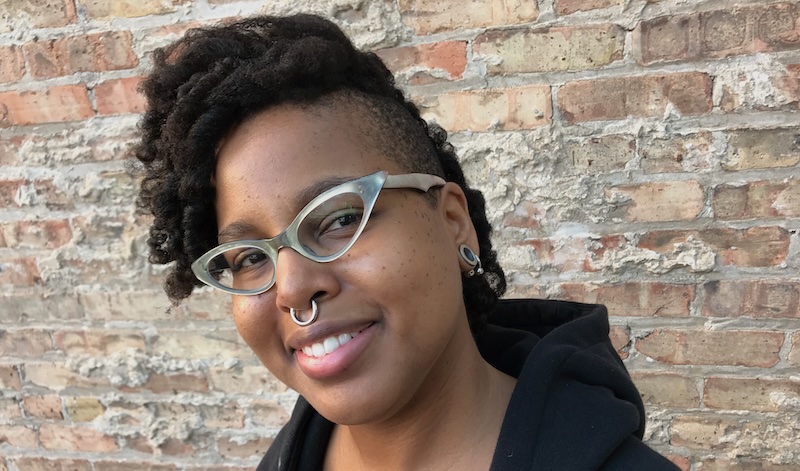
Debut authors often wonder if they will be able to run a successful Kickstarter. In general, the answer is yes! As long as your campaign is appealing, your reward tiers in line with what backers expect, and your funding ask reasonable, you have a good chance of succeeding. Kickstarter is designed to have an amplifying effect, so you’ll want to bring your own supporters and existing audience first. But once you do, Kickstarter’s data says that 85% of publishing projects that get 25 or more backers are successful. Those are good odds!
Kickstarter is designed to have an amplifying effect, so you’ll want to bring your own supporters and existing audience first.
Build an Appealing Campaign
Kickstarter is a highly visual platform. That can be a struggle for authors, who are used to working with words instead of images. If you need help along these lines, enlist a graphically-minded friend to give you a hand, get a subscription to an easy-to-use program like Canva or Bookbrush, or hire a designer (there are a few out there who specialize in providing graphics for book campaigns).
Put a book mockup on your project banner. It’s an important visual cue for prospective backers to know right away what you’re offering. Use the “best” format you’re making (usually a hardcover). Kickstarter backers like their hardcovers! But there’s plenty of support for paperbacks and eBooks as well. Audiobooks are a little trickier. Generally, audio campaigns fund via pledges on the physical tiers. Whatever your format, study previous projects in your genre to get a sense of what to expect.
Kickstarter
Keep a nice balance of text to graphics throughout your Story page, and avoid the dread wall-of-text. I recommend image breaks every three to four paragraphs. These can include header graphics, book mockups, character art, or “mood” images.
Make sure your campaign looks good on all devices. Around 50% of book campaign backers are pledging from their phones these days. Always check your campaign on a mobile device, to make sure it flows smoothly, there’s no endless scroll of words, and that any text within images is legible.
You don’t have to go crazy on swag. It’s a good idea to keep your first campaign simple and streamlined.
Enticing Rewards
Kickstarter is its own ecosystem, different from retailer platforms. Authors can offer some great perks and extras to delight readers and get them excited about the project. Bookmarks are a great low cost addition to any book campaign. They are often bundled with rewards for an extra bonus. You don’t have to go crazy on swag, though. It’s a good idea to keep your first campaign simple and streamlined.
Another perk that is often a big draw is extra artwork and bonus content in your book. Offer an enhanced version of your book that won’t be available on retailers. Kickstarter backers always appreciate exclusive content.
Kickstarter
Whatever you’re offering, be sure to price your reward tiers in line with what Kickstarter backers expect. New creators often underprice or overprice their rewards, based on their experience on other platforms. Underpricing won’t bring in a horde of backers; it only makes it harder for your campaign to fund and backers may worry about the quality of your books. Overpricing will simply turn prospective supporters away. It’s critical to study what successful creators in your genre are doing on Kickstarter when setting your reward pricing.
Your funding goal should be a floor, not a ceiling. Since Kickstarter is an all-or-nothing platform, it’s important to ask for what you need, but not set an aspirational goal that you’re unlikely to hit. This is the number one place that new creators set themselves up to fail.
Setting the Funding Goal
I believe your funding goal should be a floor, not a ceiling. Since Kickstarter is an all-or-nothing platform, it’s important to ask for what you need, but not set an aspirational goal that you’re unlikely to hit. This is the number one place that new creators set themselves up to fail.
Luckily, as authors, we can choose to print our books via Print on Demand services like Ingram, Bookvault, Lulu, or KDP. Unless you know you’ll be bringing hundreds of backers to Kickstarter, print on demand is generally the best way to go, as opposed to a costly offset print run.
If you have twenty backers for your hardcovers, you can simply order twenty hardcovers from the printer once the campaign ends, without having to commit thousands of dollars for even a minimum three-hundred-unit print run. I recommend that newer creators with a fairly simple POD campaign set their funding goal somewhere in the hundreds of dollars (500 is a nice round number). This doesn’t mean you won’t break into four figures! It just means you have a much better chance of funding. Early funding signals to prospective backers that your campaign is already a success. They can confidently support you, knowing they will get the rewards they pledge for.
Kickstarter
If your project is to create something that has a higher upfront cost, like an audiobook or special edition print run, then by all means ask for the minimum amount you’ll need. If your project funds, you’re obligated to make your promised rewards and send them out to backers. But if you’re new to Kickstarter, I recommend you start with a well put-together POD book campaign and build from there.
If you’re not sure about how to go about any of this, start by studying successful campaigns in your genre! There’s no better school than Kickstarter itself to see what other creators are successfully making.
One Last Tip
Once you’ve got your campaign built out, I recommend you put it into Prelaunch for a few weeks. Gathering prelaunch followers is an important step that will help your campaign be successful.
If you’re not sure about how to go about any of this, start by studying successful campaigns in your genre! There’s no better school than Kickstarter itself to see what other creators are successfully making. While you’re checking those campaigns out, make sure to support some of them, even with a minimal pledge. Not only does that show you’re part of the community, you’ll learn how creators communicate with their backers throughout a campaign.
Best of luck in starting your new journey as a Kickstarter creator!
Anthea Sharp, author of Kickstarter for Authors, has raised over $130k on Kickstarter, plus consulted on hundreds of book campaigns for authors and creators. She’s passionate about the possibilities for creators on Kickstarter, and is excited to welcome new authors into the world of crowdfunding. You can pick up her books and inquire about consulting at fiddleheadpress.com
