
Creator Spotlight: How Two Artists Made A Mysterious Collaborative Project Work
"We must make art during dark times. It gives us hope."

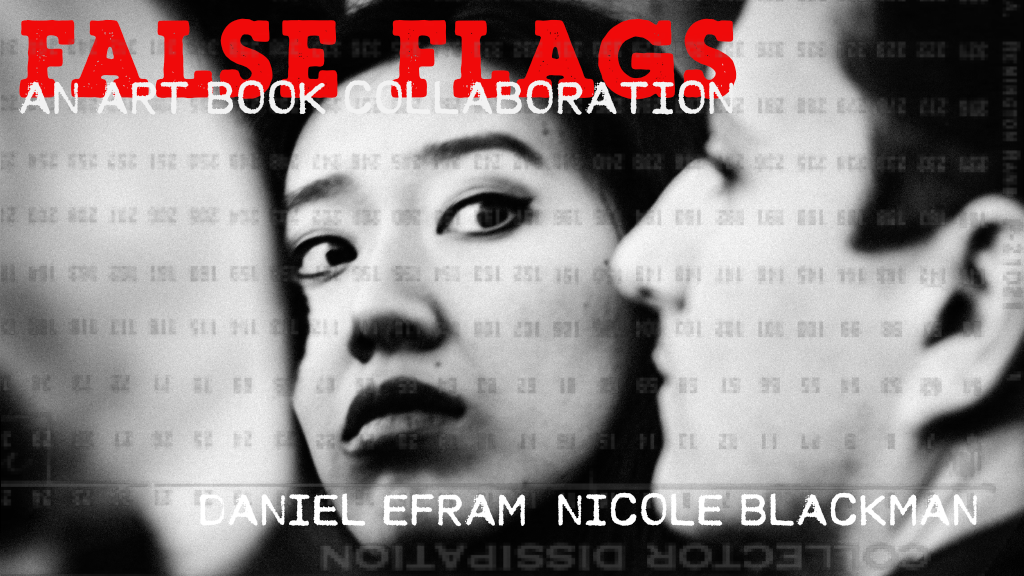
One of the (many) beauties of Kickstarter is the way niche, underground, and sometimes indescribable projects are able to come to life. Take for instance, False Flags, a self-described "photo memoir art book collaboration" between photo-journalist, activist, and producer Daniel Efram and performance artist, poet, author, and vocalist Nicole Blackman.
Blackman and Efram have known and worked together since the 1990's, starting in the music industry and then later moving into art. The last time they worked together was for Efram's 2019 book, Curiosities, also successfully funded via Kickstarter—Blackman helped to curate the images and compose the forward. On Efram's next project The Steve Keene Art Book, also a successful Kickstarter project, Blackman lent her voice to the teaser video.
As far as their current project, "False Flags" is a working title, and in many ways, it's coming together as the campaign has come together. And, the project's clearly captured folks' imaginations: As of now, it's 99% funded, with a few days left.
So, what is False Flags, and why has the campaign been so successful? We were curious and so we asked the collaborators a few questions.
The project is mysterious. Can you explain it a bit more? What do you imagine it'll look like in the end?
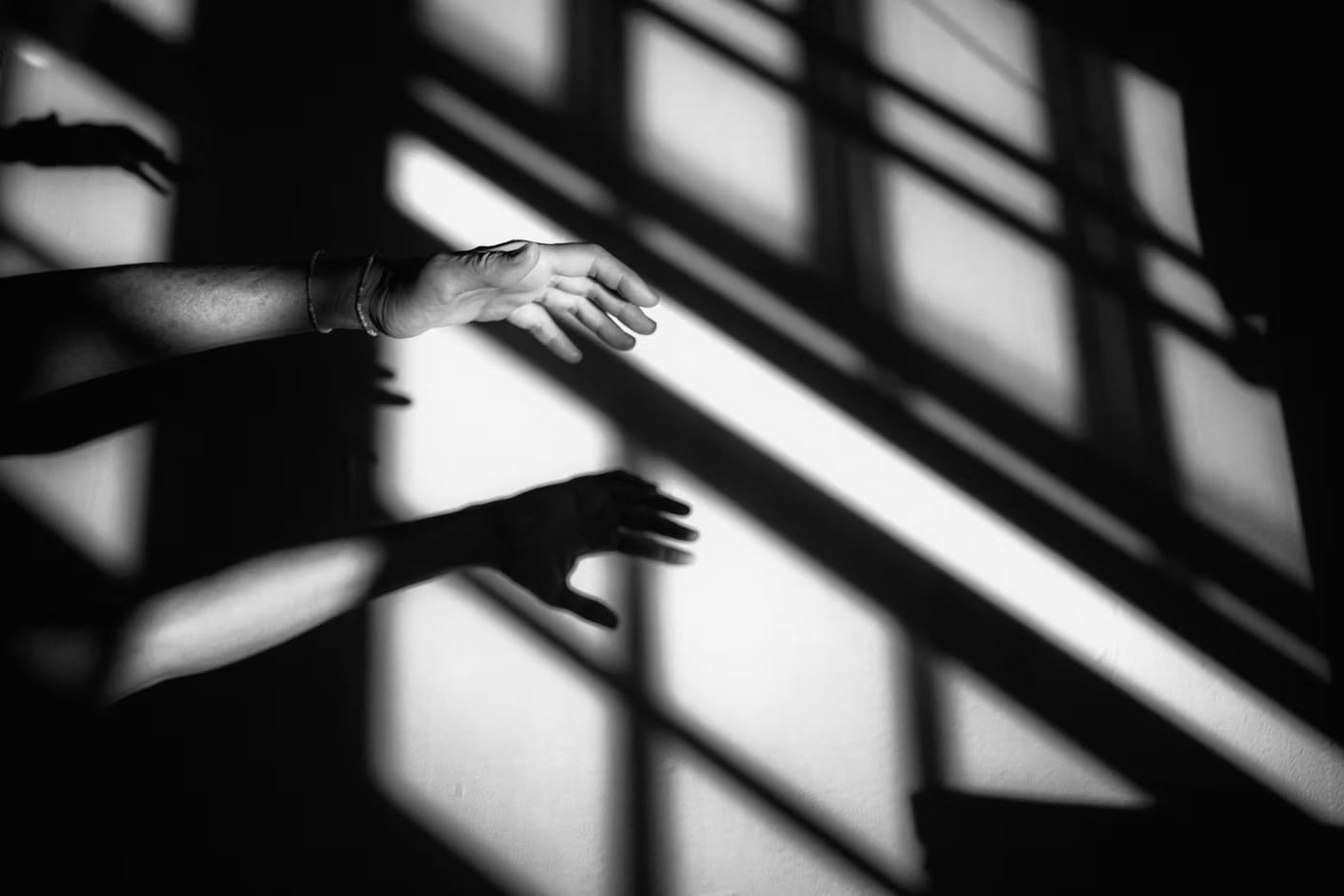
Nicole Blackman: It is mysterious, even to us. We’re taking things that were never meant to be seen or heard and revealing the monsters.
The process must remain secretive, too. Dan doesn’t know where the lines are from and he knows better than to ask. I’m never out with him shooting so his process is entirely mysterious to me. He often shoots without looking through the viewfinder so the results are a complete surprise, and that’s a real delight.
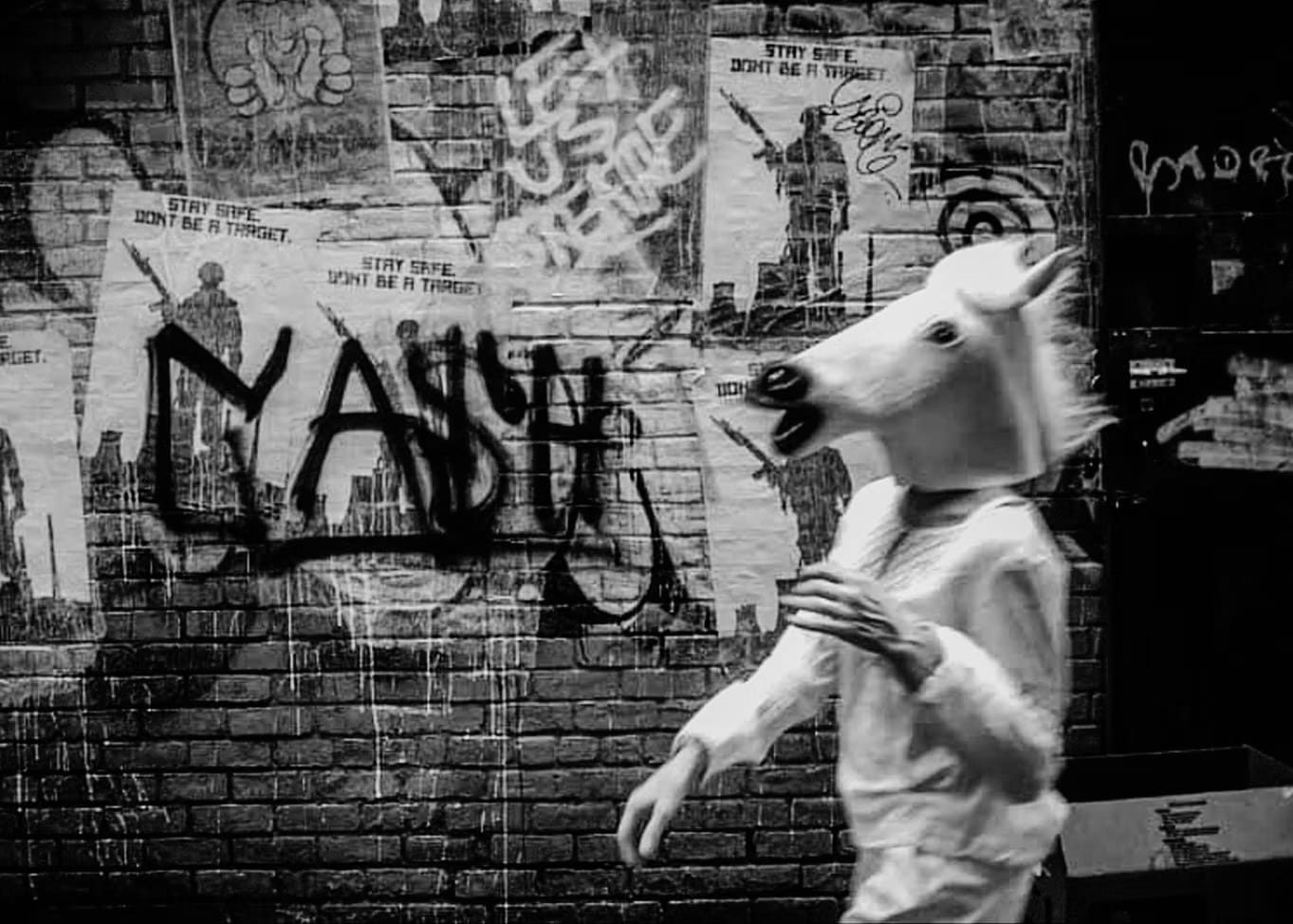
Daniel Efram: Nicole documents words. I capture situations. This project is about experimenting with how words and images work together—or communicate something entirely different. What ideas do these pairings provoke, and where do they lead?
In your project description you say this is "a time when art is absolutely necessary to keep our collective sanity." How will this book help keep us sane?
DE: The process of making art is centering. Creating an art book, in particular, requires complete immersion.
This is my third art book project, following two previous Kickstarter campaigns—Curiosities (2019) and The Steve Keene Art Book (2022). Sweating the details of the design, choosing the images, making the tweaks—the entire process forces us to step away from headlines and return to conceptual thinking.
At a time when we are surrounded by darkness, we hope this book offers moments of wonder and light, centered on the many faces of humanity.
What drew you to this collaboration, and what draws you to collaboration in general?
NB: I’ve known Dan since the early '90s and I trust him with my life. We collaborated before on his first art book Curiosities and we both knew that there was more to it. I don’t know how else to explain it, but working like this is a way to understand ourselves—and what we’re capable of. Things get dangerous fast.
DE: Collaboration is a challenge—a challenge to create something bigger and more meaningful than what I can make on my own. Nicole is brilliant and pushes me to dig deeper, write better, and ultimately understand myself more fully.
What do you get out of this sort of project? What does it teach you about yourself?
DE: Creating art is about reckoning—facing fears, confronting criticism, and forcing introspection. It’s about standing in the unknown and letting yourself be changed by it.
False Flags is part of my long journey of healing after the deaths of my ailing parents, now both gone for over a decade. My photography began in earnest while caring for them, a small escape that opened my eyes to the world beyond responsibility.
Each day, I gave myself fifteen minutes away from the house to clear my head. I drove to the Hudson River and photographed an abandoned manufacturing plant, capturing moments both ordinary and strange. After they passed, I realized my career in the music industry no longer held me. All I had left was a camera—and with it, my life journey began anew.
What does your curiosity look like? How do you explore things?
NB: I want to know why people do things, I’m always curious about their intentions. I’m interested in how you can tell when someone is lying, and whom they think they’re lying to. I lean in when people code switch. I pay attention to diction, speed, dialects, volume, accents, word choices. You know when you ask someone to repeat something and you notice they phrase it quite differently? I’m interested in how they respond, is it brusque or perhaps a little kinder? That’s an editorial decision, and it tells me so much about them, what they want, and what they’re willing to do for it.
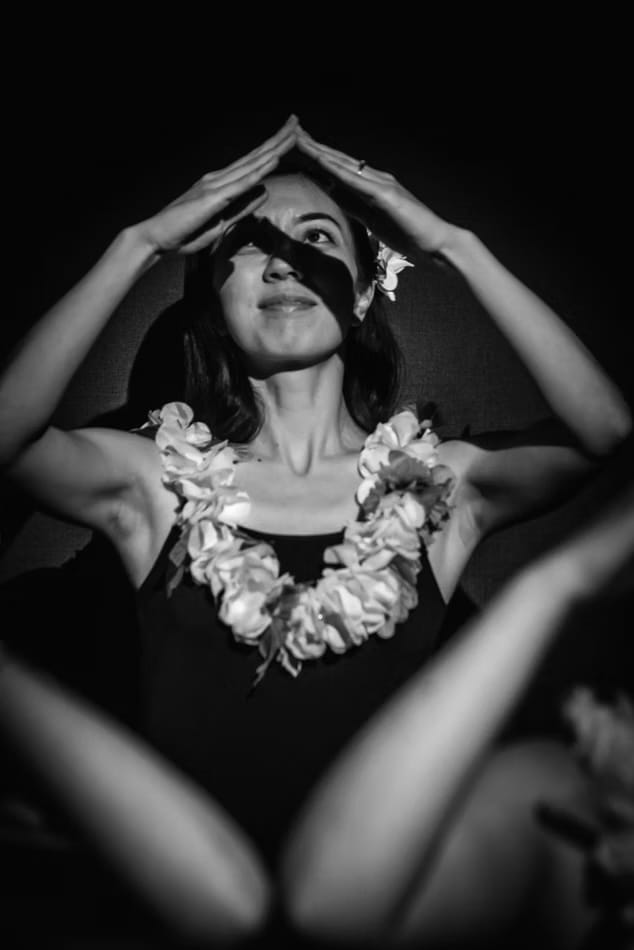
DE: I observe people (and situations) and try to capture the moments between thought and action. These periods of reflection are powerful—moments when the soul is laid bare, like watching humans physically change gears. Capturing them brings me boundless satisfaction.
What path led you to where you are today? What's been the most surprising thing you’ve realized along the way?
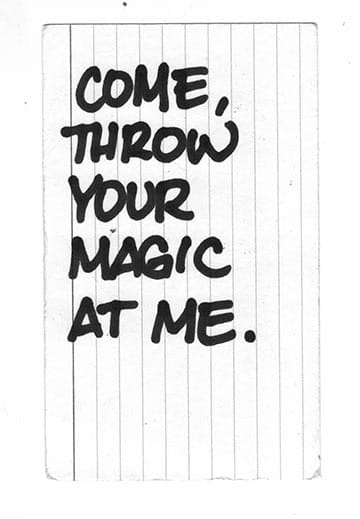
NB: I read crumpled post-it’s, hair color instructions, promotional materials, appliance manuals, grocery lists, bathroom graffiti, and the terse notes neighbors leave on each other’s doors. I read those tiny folded legal notices that come in the box with a new medication. I look at washing instructions, encoded messages, the warning notice for a hairdryer, and the list of rules posted by a pool. Medical records and doctors’ notes are full of poetry!
The strangled translation on an unknowing tourist’s t-shirt and religious pamphlets warning me that I’m on my way to hell. I stop in the street to read to-do lists someone dropped, poorly phrased signs in bodega windows, epitaphs, footnotes, and anything they ask you to sign in an emergency room. I read the back of cereal boxes, scratchy marginalia, and disco step instructions. I listen to what people say when they have to, when they want to, and when they can. How my mother’s story changes the more she tells it.
DE: I was always an advocate for artists. Flipping the script has been unexpectedly satisfying.
In the context of this project, what does success look like to you?
DE: Success is the process of making and doing—the things we learn about ourselves and the people we meet along the way. It begins as the journey starts and the conversations begin.
[Photos via https://www.danielefram.com/]
