
Creator Spotlight: Meet the Author Who Uses Kickstarter to Publish on His Own Terms
Russell Nohelty has published sci-fi and fantasy novels, short story collections, self-help books, tarot cards, and more via Kickstarter.

The image below this paragraph is a photo of Russell Nohelty's shelf of books he's written and published. He notes, "It doesn't include all my anthologies, but it's the ones I either wrote or cowrote." It also gives you a sense of how productive a writer he is, and frequently he's able to carry the spark of inspiration through to a completed project.
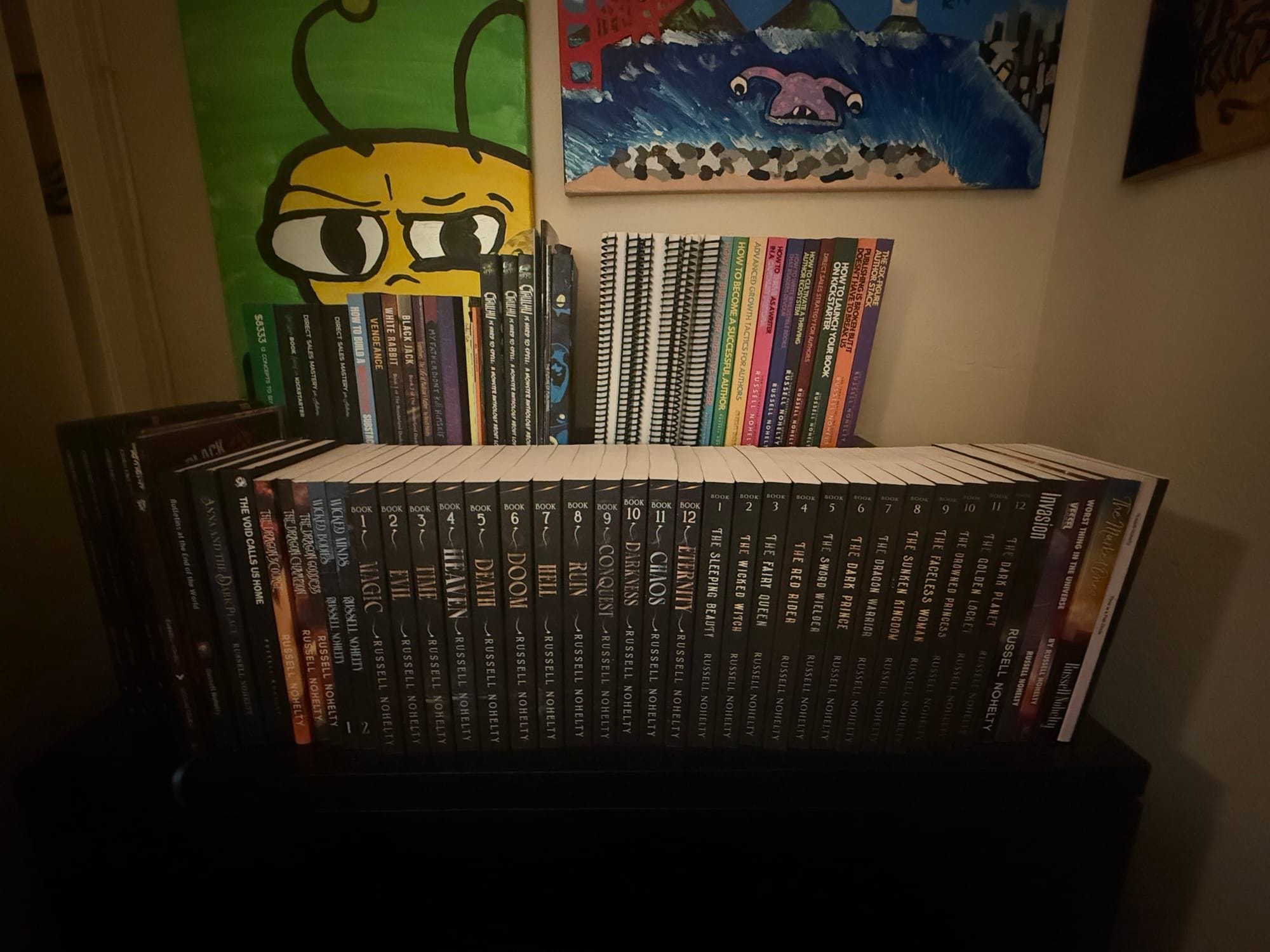
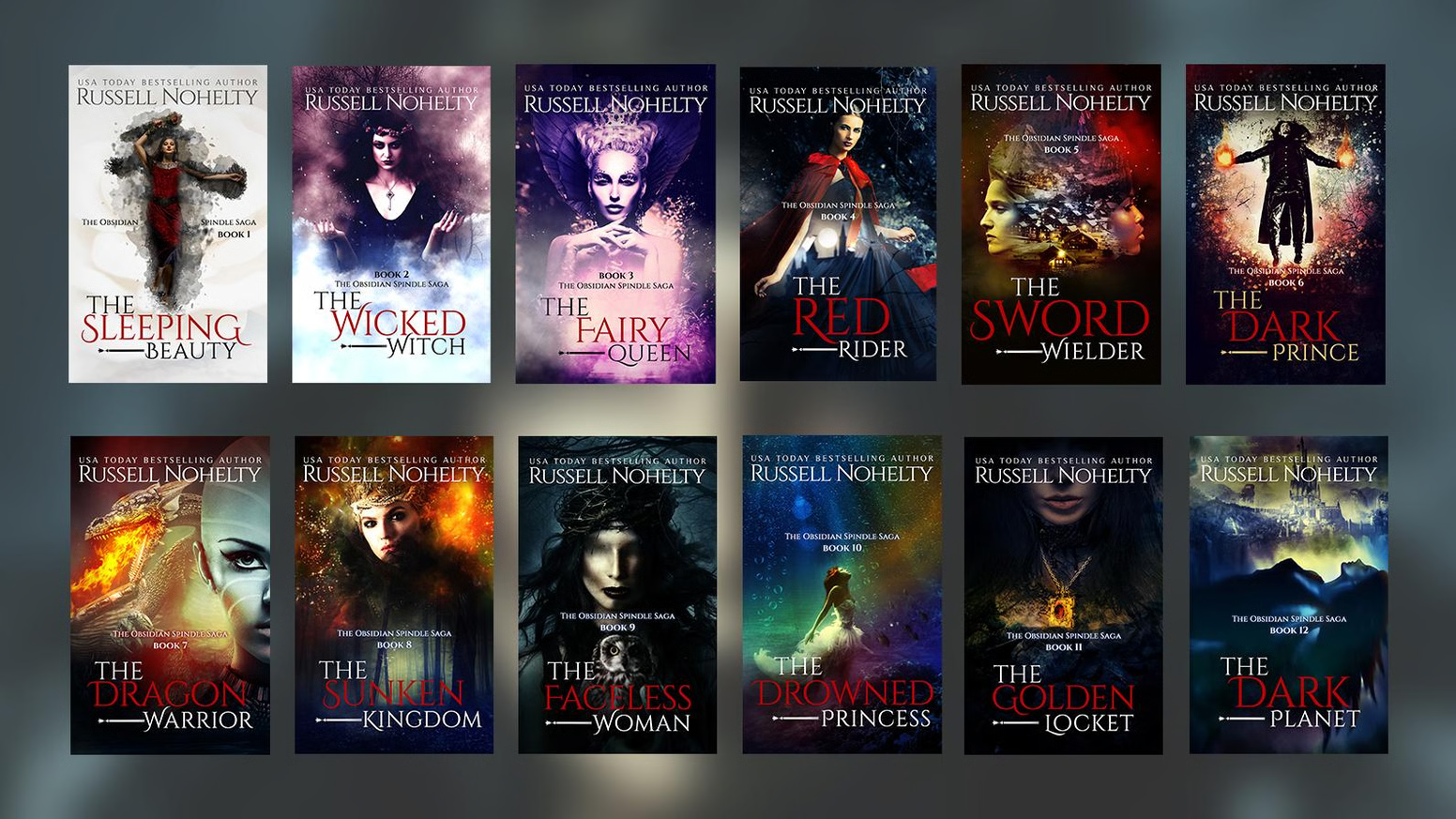
He's published books across a wide span of genres (sci-fi, fantasy, fiction), formats (novels, short stories, tarot, graphic novels), and some of his books have maybe the best titles ever: How to Thrive as a Writer in a Capitalist Dystopia, for example.
He's published many of these books using Kickstarter. Why? As he puts it:
You being unsuccessful is the system working by design, and platforms like Kickstarter are tools that allow you to rewrite reality and break the system for your benefit.
We were curious about his overall philosophy and process, so we asked him some questions.
What path led you to where you are today?
I started working on Capitol Hill right out of college, but left pretty quickly to make movies/tv in DC. I did that for a few years until I got in a pretty bad accident and moved to LA. My dream of breaking into the entertainment industry in that way fizzled out, but I still wanted to write. My manager at the time got me into comics again, which led to books, which led to non-fiction, which led to everything else. Now, I’ve written something like 80 books, and been in dozens of anthologies.
What has been the most surprising thing you’ve realized along your creative path?
You can do anything you want as long as you are willing to deal with the consequences. People always say “I can’t do that,” but I’ve burned my life to the ground enough times in my life to know that there are no rules. Just decisions and consequences. The real question is what are the consequences of not doing the thing?
I’ve interviewed hundreds of creators over my career and the consistent “secret” they all gave me about having a long career was being able to burn it all down and start again.
 Anthea Sharp
What does your curiosity look like? How do you explore things?
It moves around noticing things deeply. Mindfulness coach Aaron Hendon says you can’t appreciate everything, but if you can be grateful for one thing then you’re actually grateful for an infinite number of things. It’s amazing how much inspiration you can find stepping out your front door and deeply noticing stuff for half an hour.
For the kind of work that you do, what are the most valuable resources?
A really good nonsense detector. People will constantly tell you that they/you can’t do something, and you need the ability to say “Are you sure? That’s dumb,” and “Wait, why would that be true?”
The other one is removing no from your vocabulary. Every word you say/think constructs your reality. Your body doesn’t know you’re talking about somebody else, or an experience in the past. It only knows what you are saying right now, and you are its whole universe.
What do you get out of this work and what has it taught you about yourself?
I get freedom, the ability to do what I want, when I want with little oversight. I need somebody to tell me a thing can’t be done, which gives me the ability to say “Why not?” I believe just about anything can be done, and the only thing stopping us is reality…which is more malleable than you think.
What first drew you to Kickstarter?
In 2014, the comics category was heavily reliant on Kickstarter. I had spent over a decade not being able to raise money for my work, so the first time I made $5k+ on Kickstarter in a month was more than I had ever raised at the time. It felt like magic.
After that, people said it would never work for publishing, and I just fundamentally disagreed. So, I spent the last decade+ trying to break that belief in people. In retrospect, it’s easy to see that was obviously not true.
I make more in a couple weeks on Kickstarter than I do on other platforms in years.
You've created 39 projects to date. Why have you kept coming back?
And I’ve been a contributor to dozens more. I keep coming back because the community is amazing, and there is money here. I don’t know if you know this, but capitalism relies on money, and I need it to exchange for goods and services. I love y’all, and the community, but the money is what keeps me coming back. I make more in a couple weeks on Kickstarter than I do on other platforms in years.
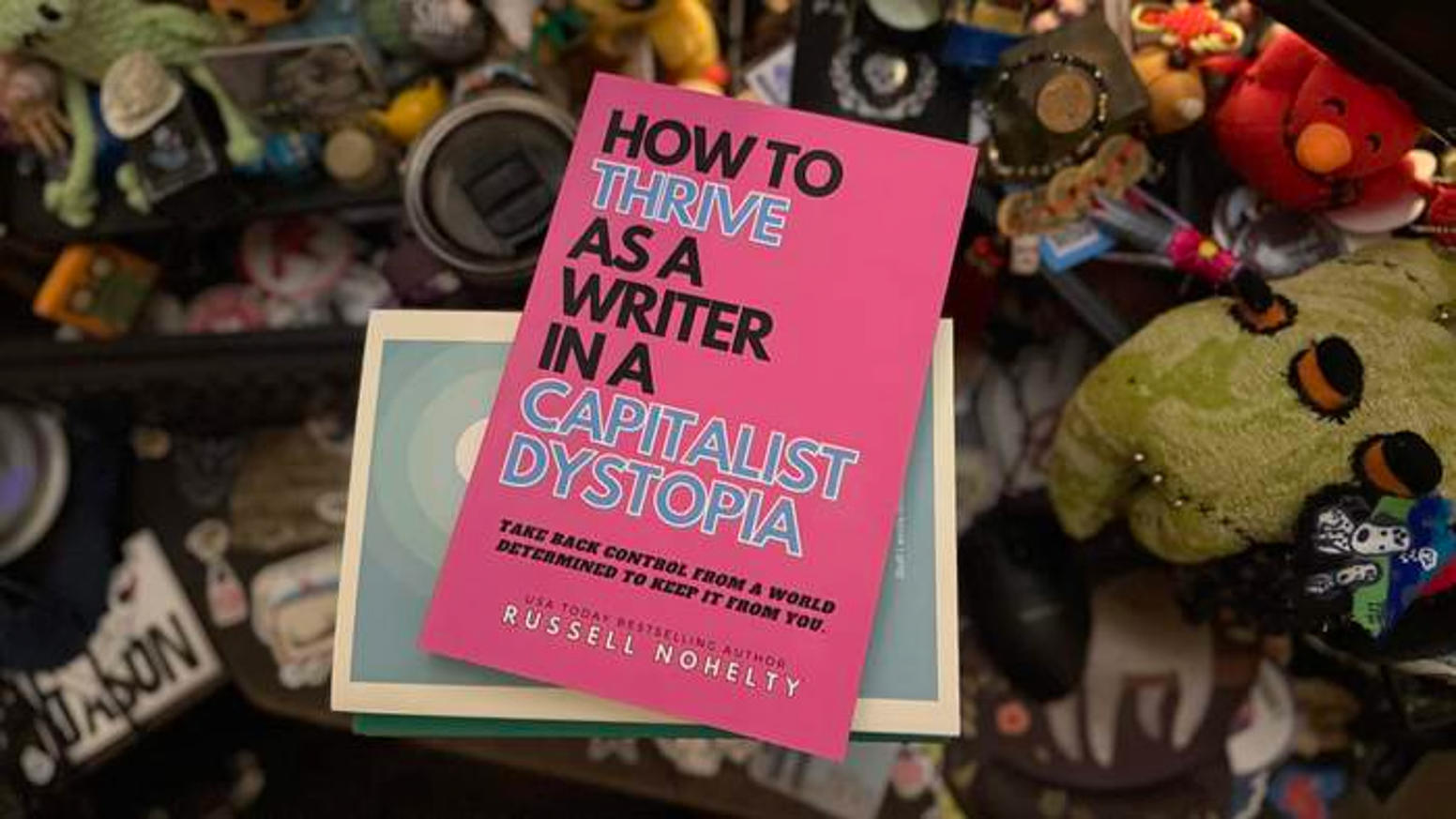
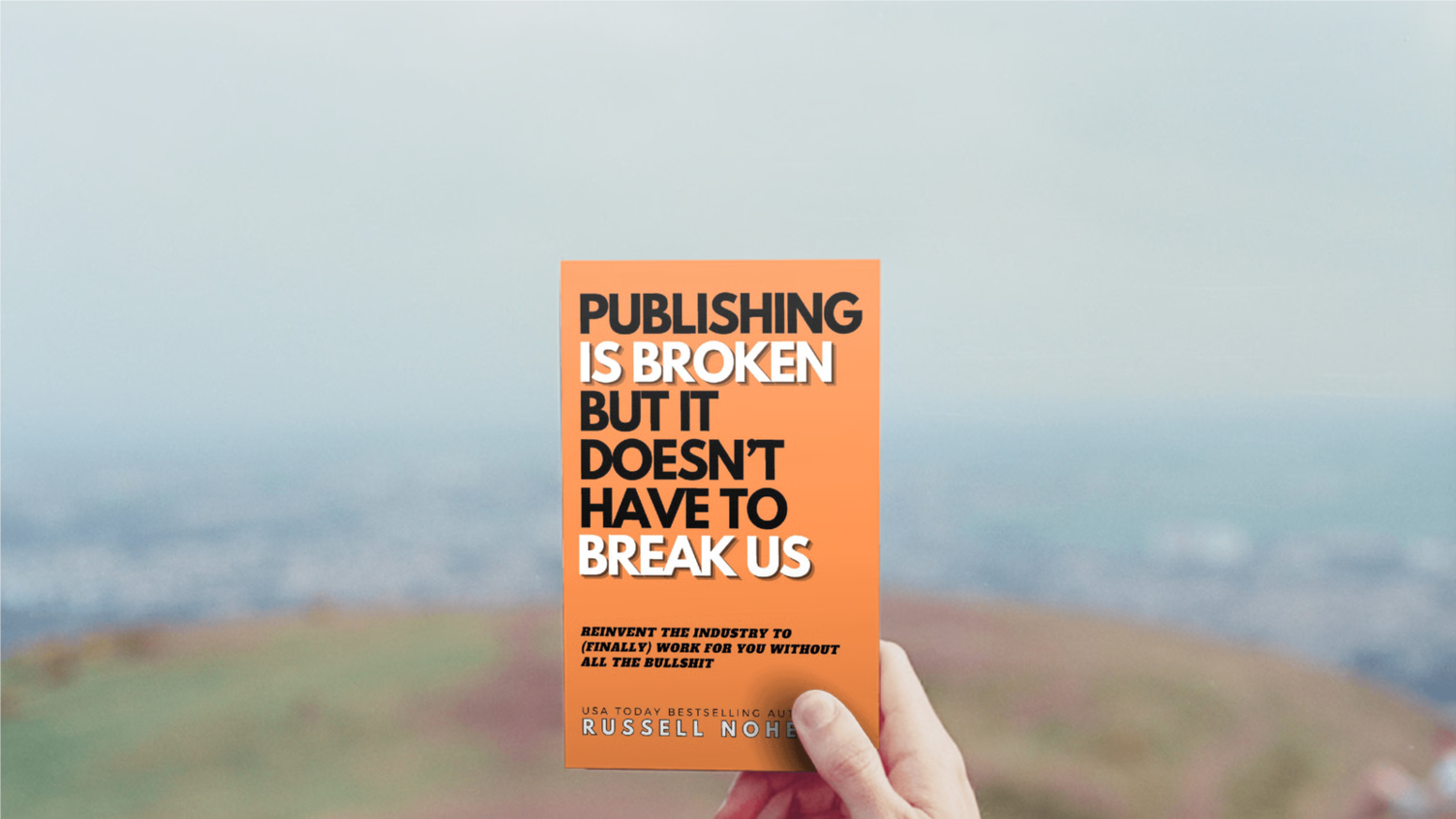
I appreciate the sentiment behind books like Publishing is Broken, But it Doesn't Have to Break Us and How to Thrive as a Writer in a Capitalist Dystopia. Can you talk a bit about this area of your practice?
Capitalism is dumb, but exploitable. The universe is nonsense but consistent. If you understand those two things, then you can rewrite the rules of reality in almost any way you want.
We think the universe makes logical sense, but it only makes consistent sense. People spend decades fighting against the system because they refuse to see the patterns in the logic, which is somewhere I excel.
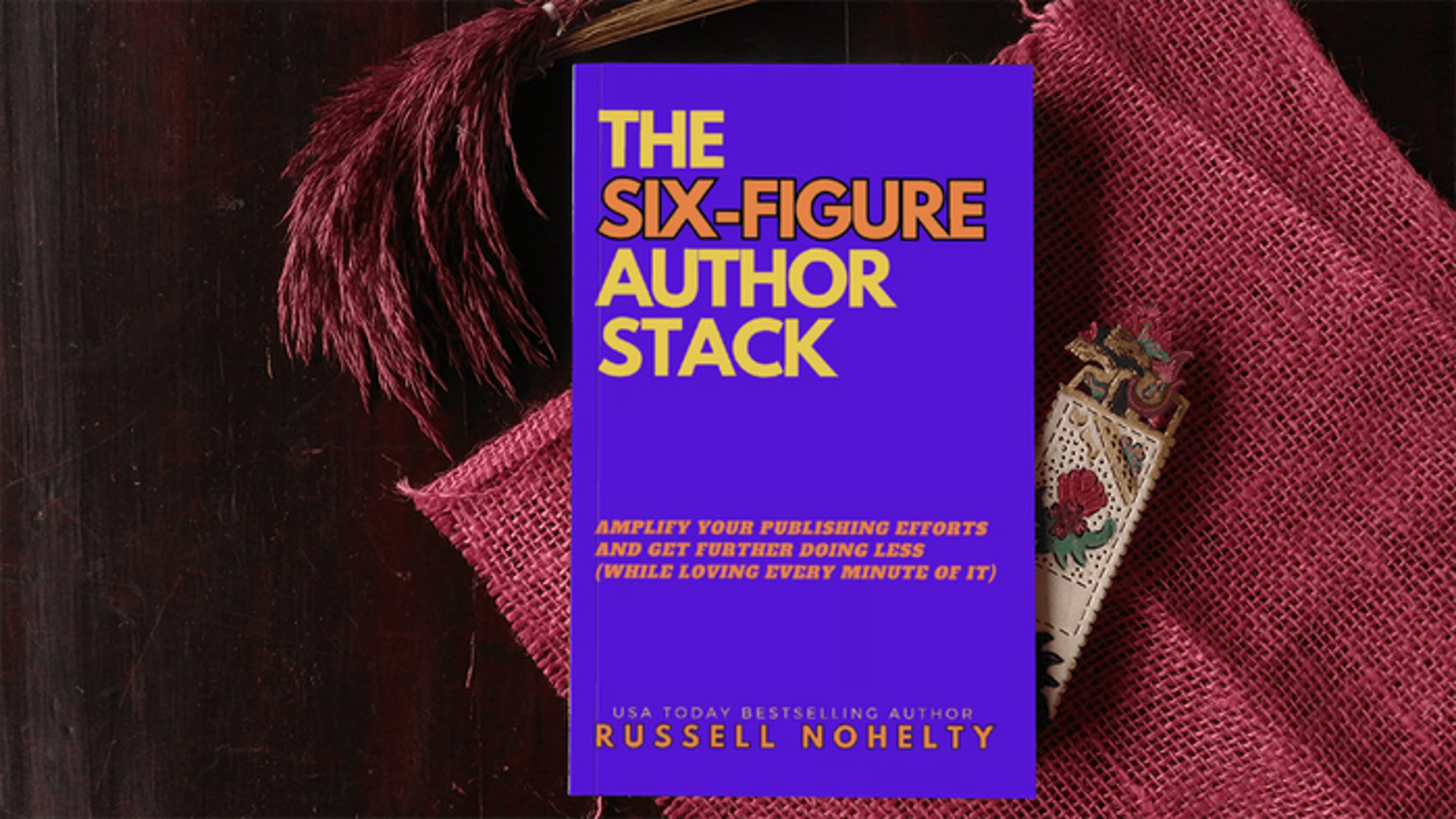
Once you have that, everything else I do is about sharing how the universe actually works, how capitalism really works, and how industries are fundamentally set up to protect those in power while keeping you out.
You being unsuccessful is the system working by design, and platforms like Kickstarter are tools that allow you to rewrite reality and break the system for your benefit.
How does it balance with your fictional practice?
My fiction is a thinly veiled critique of capitalism. The gods stand in for the rich and powerful who don’t care about regular people, and the mortal protagonists are trying to regain autonomy over their own existence from the gods. So, it’s pretty similar. I fundamentally believe that people can break the shackles of their bondage and take control of their destiny, which is why my protagonists always win in the end.
What do you do when you’re creatively stuck?
I have lots of things going on at once that I just move to something stuff if I get stuck, but usually I’m pretty good about finishing what I start, especially now that I have a team behind me.
What do you consider success?
I consider success to be the ability to do whatever I want. The minute I have commitments, I feel confined, which is why Kickstarter works for me. I’m a product guy, and it’s a product platform.
You can learn more about Russell at https://www.hapitalist.com/. He has a new Kickstarter project, Hapitalist Tarot: Business insights for magical humans, launching soon.
