
Creator Spotlight: What Do a NYC DJ and LA Skincare Entrepreneur Know About Olive Oil?
With Papa Nono Mimi already almost 600% funded on Kickstarter, it’s fair to say they know a thing or two.

Tjani Warren (NY) and Garrett Gutierrez (LA), are longtime friends and collaborators who've had success across a variety of disciplines. Warren is a DJ and a producer and Gutierrez, an entrepreneur who launched his successful projects, GOSHI exfoliating shower towels (over a million units sold!), and KOYU reusable cups projects, on Kickstarter.
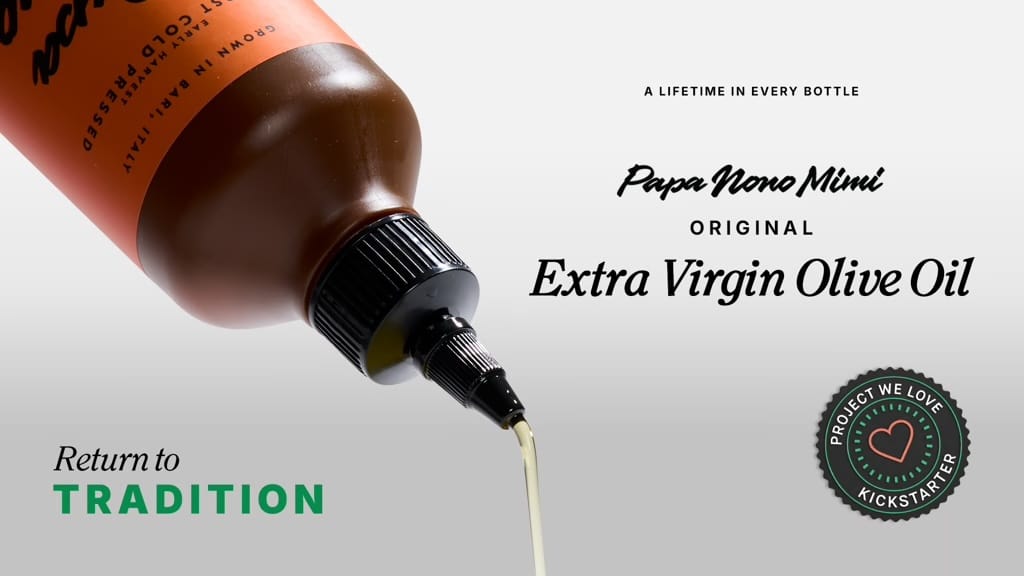
Papa Nono Mimi olive oil, their collaborative food-related venture has gotten off to a great start with a Kickstarter project thats just about surpassed it's goal six times over with a week to go in its campaign.
We caught up with Warren and Guitierrez to ask them about what inspired their belief in the project, how it's been going, and what to expect next.
When did you realize you wanted to work with Papa Nono Mimi on expanding his operation and creating a larger brand around his olive oil?
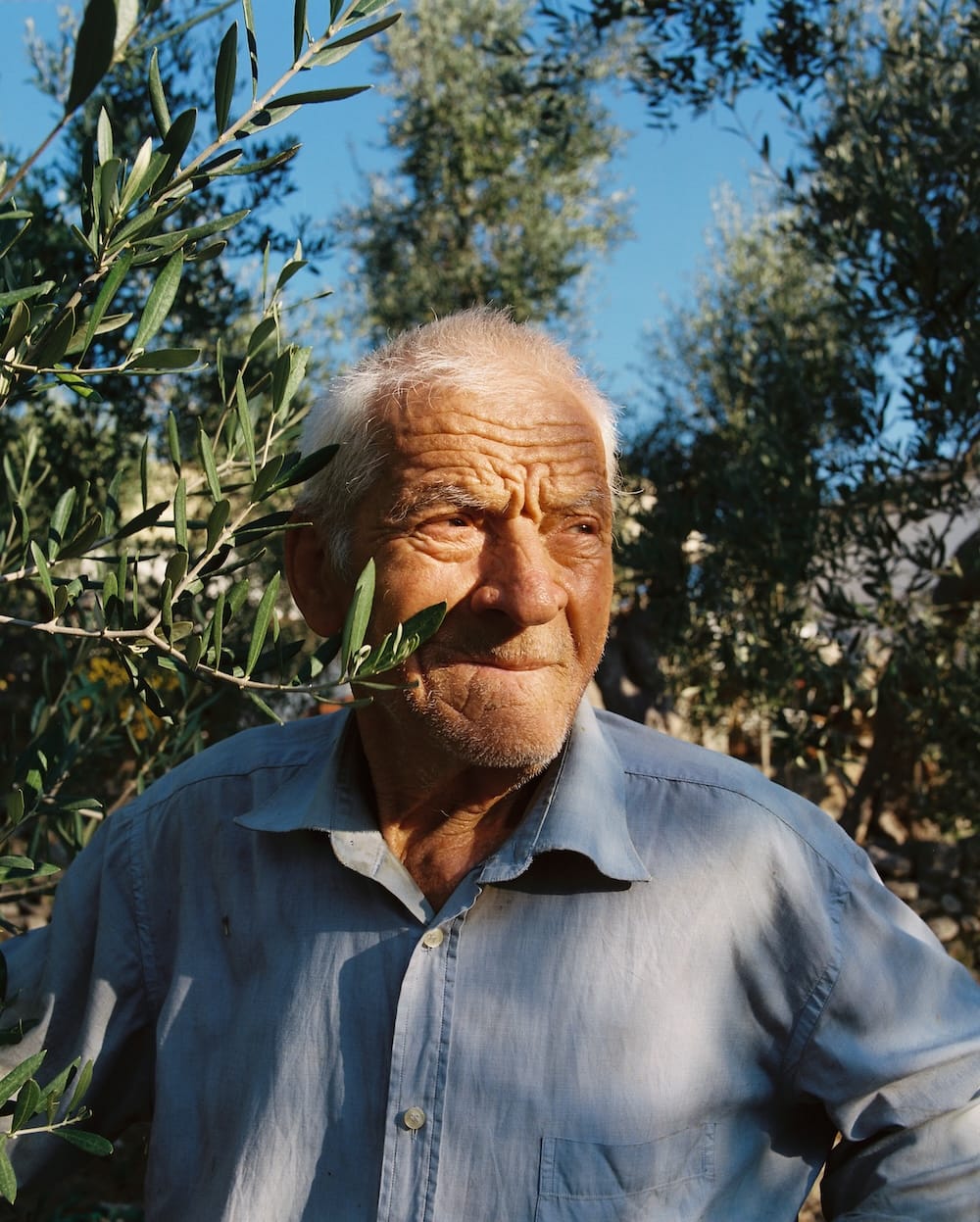
Tjani Warren: Papa Nono Mimi is my wife’s grandfather. We met in 2021 during my first trip to Bari and instantly connected. It was August, and he couldn’t stop talking about how big his olives were that season. I was drawn to his passion immediately.
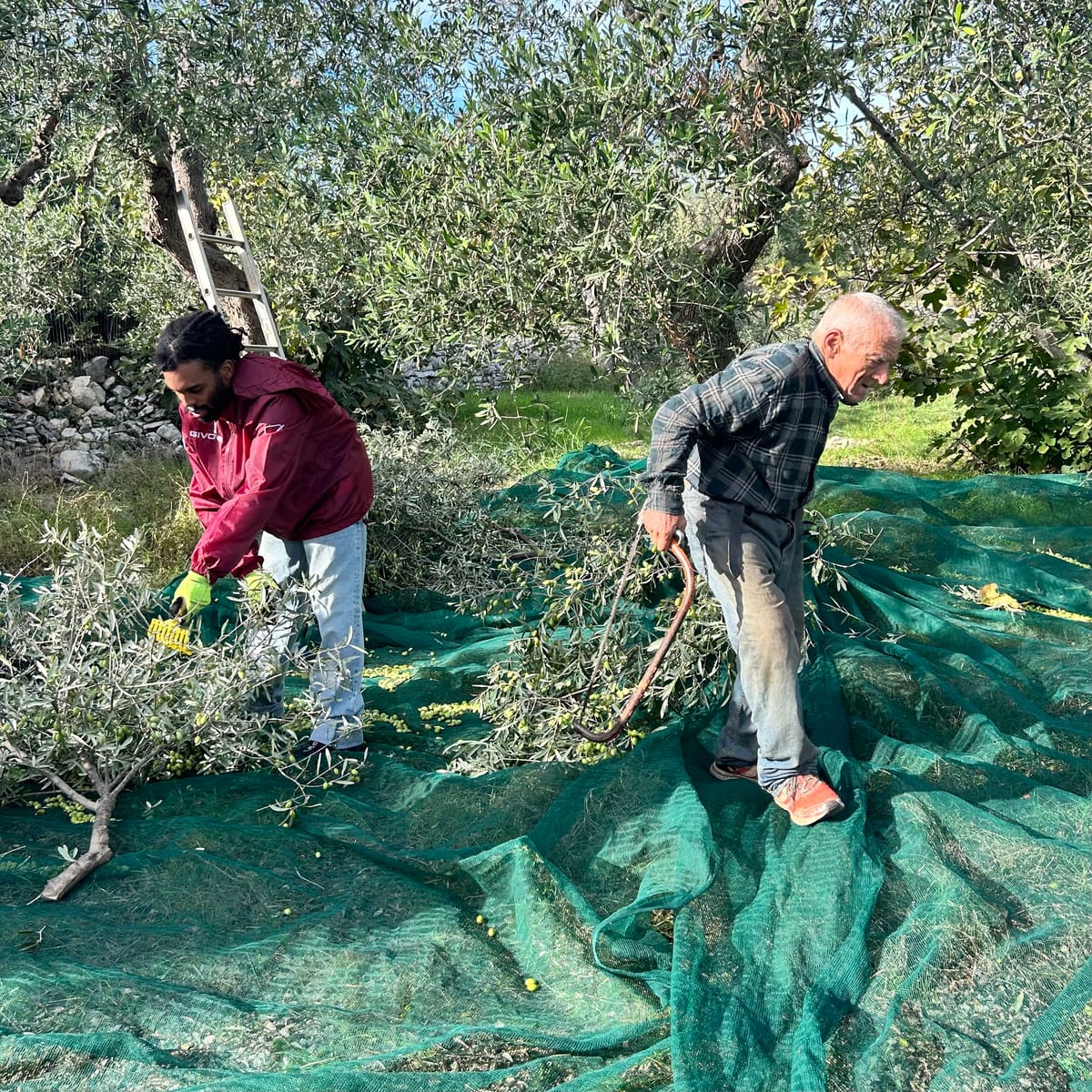
Within days we were driving out to the countryside together. As soon as we stepped out of the car, he walked me tree by tree, explaining the work he’d done on each one. He’d point to neighboring groves and show me the difference. You could see it. His olives were bigger. Healthier. At lunch that day, everything was cooked with his oil. I had never tasted anything like it. From that point on, I spent every day with him, learning. He was up at 4am, seven days a week. No shortcuts. No days off.
 Kickstarter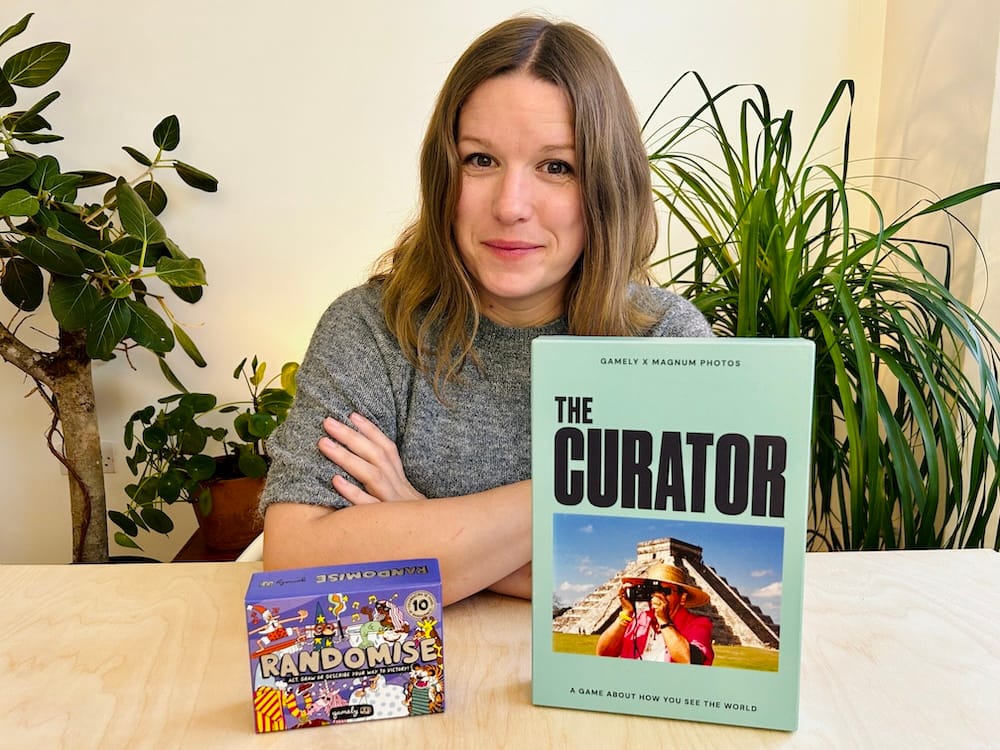
By October, he brought me to the mill he’s used for decades and taught me his harvest techniques. The day after harvest, he was already back in the trees pruning for next season. Like an athlete back in the gym the day after winning a championship.
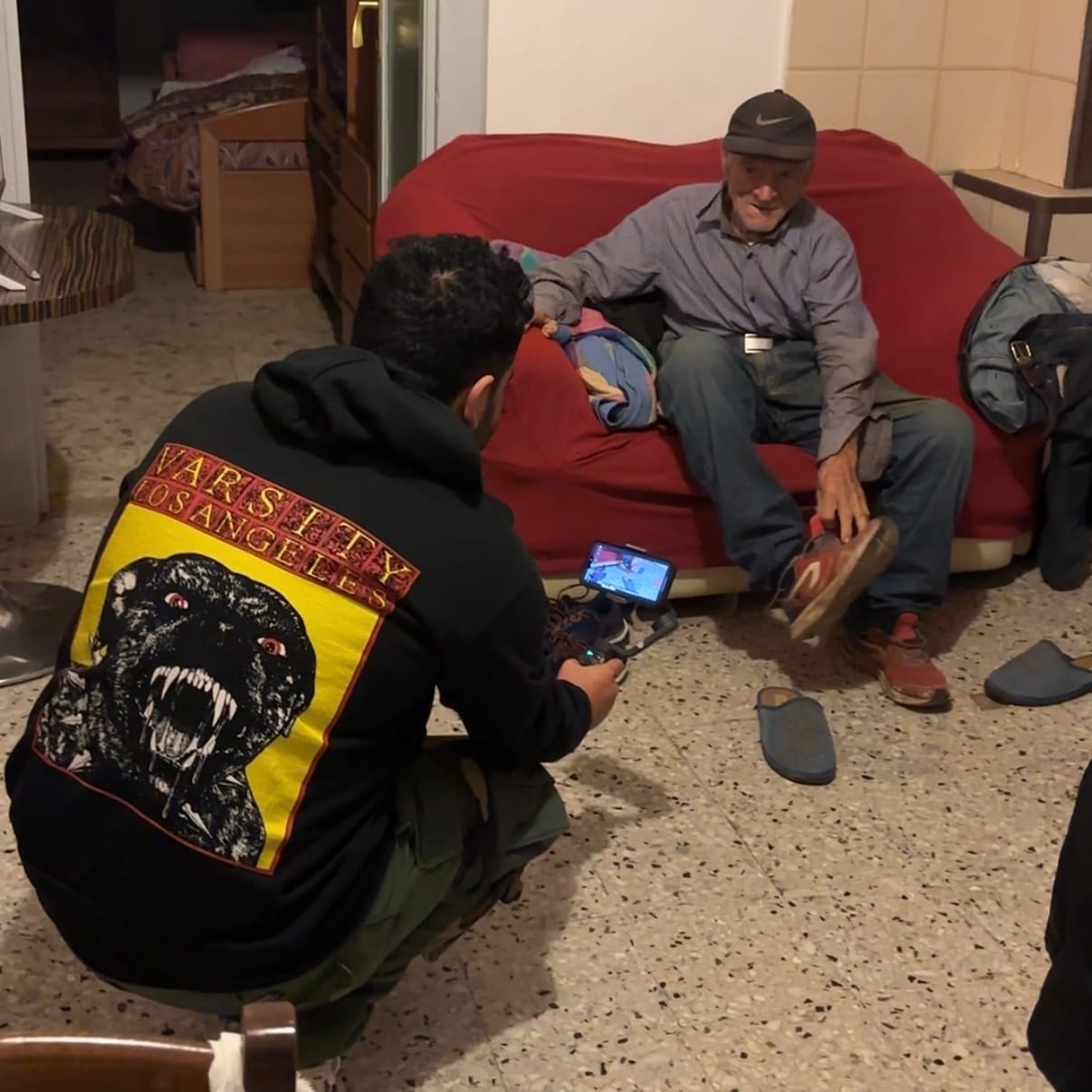
After a year of bringing his oil back to the U.S., I couldn’t cook without it. Friends and family all asked the same question: “Where can I get this?”I knew it had to be shared. Garrett had built GOSHI on Kickstarter, and we’d talked about creating something together. Once he tasted the oil and heard Mimi’s story, he was in. He came to Bari, we filmed, and Papa Nono Mimi became real.
The story behind the olive oil is amazing. His process is so hands-on, and so DIY. Do you have any worries about maintaining the same taste and feel when scaling it up? Do you want to keep it to a certain scale, to make sure your don't lose it?
Garrett Gutierrez: Scaling is always the tricky part. We’ve been through it before with GOSHI. What started as a small Kickstarter preorder of under 2,000 towels has grown to nearly 1.5 million units sold to date.
There were a lot of learning curves.The biggest lesson was simple: growth doesn’t ruin a product, shortcuts do. If you stay close to your manufacturing partners, protect your materials, and refuse to compromise, you can scale without losing quality or integrity. Sometimes that means waiting months, even a year, for better tooling instead of rushing with cheaper equipment just to push more units out. With Papa Nono Mimi, the goal isn’t to make more olive oil as fast as possible. It’s to make the best olive oil and then thoughtfully make more of it. Right now we physically can’t produce millions of bottles. And honestly, that’s a good thing. When brands rush to scale, quality is usually the first thing to slip. We’re not interested in that. If you’re trying to raise the standard, it takes time. As demand grows, we’ll scale the right way. Source properly. Upgrade equipment intentionally. Keep it first cold press. No compromises.
We’ll grow when demand earns it. Until then, we stay close to the process and protect the taste.
 Trent Chute
Garrett, you have a few different projects. You just mentioned GOSHI. I love that Koyu, which was also a Kickstarter project, has the tagline: "Minimal by intention."
I can imagine this being a tagline for the olive oil, too. How do you see your various ventures fitting together?
Garrett: On the surface they look different. Skincare, cups, olive oil. But to me they’re all built the same way. Start with something used every day. Refine it until it feels extraordinary.
Before building brands, I worked in music and entertainment. I helped artists shape album rollouts, tour concepts, and physical product. The goal wasn’t just to support the music. It was to build culture around it. To have it imprinted visually or physically alongside the sound. Objects and imagery that fans, or anyone paying attention, would remember long after the release cycle ended. That mindset carried forward.
With GOSHI, we took a simple Japanese exfoliating towel and treated it with that same level of care. It wasn’t just about utility. It was about identity. KOYU follows that philosophy. A daily object like a coffee cup, refined until it feels intentional. Minimal by intention isn’t about being plain. It’s about clarity.
Papa Nono Mimi fits naturally into that world. Olive oil is everywhere. But when you understand the harvest and the discipline behind it, it becomes something cultural, not just consumable.
Different categories. Same approach. Build things that live beyond their function.
Tjani, you're a Producer/DJ. I've interviewed folks before who've talked about the overlap between cooking and making music. I'm curious about your thoughts on this.
Tjani: Food and music are probably the two strongest forces for bringing people together anywhere in the world. Whenever I travel, the things people take the most pride in are their local food and their local music. That shared culture brings out the best in both.As a producer, I’ve always loved blending genres and introducing unexpected elements into my projects. When I moved to Italy, I realized they approach cooking in a similar way. Southern Italian cuisine is simple. Four or five ingredients at most. But what surprised me was how much improvisation happens. They create something new with whatever’s available.I’ll never forget making pesto with my sister-in-law and realizing we had no basil or almonds. Without hesitation, she grabbed arugula and told me to find the pine nuts. Within minutes, my new favorite version of pesto existed. That’s remixing. That’s innovation. In both food and music, it’s about instinct, experimentation, and sometimes happy mistakes that lead to something better than the original.
Kickstarter is special because it lets you grow alongside the people who believed in you early. So the next steps aren’t just about expanding the product line. They’re about evolving the brand in a way that feels earned.
The project met its funding goals in under 12 hours. This is a huge success. Why do you think it's done so well?
Garrett: I think it comes down to storytelling. People can tell when something is authentic. Everything you see in the video is real. We woke up at 4am to follow Mimi through his actual routine. We shot everything ourselves. No stock footage. No manufactured moments.
Olive oil by itself isn’t flashy. But discipline and craft is compelling. When you see someone who’s been doing something the same way for decades, with that level of care, it resonates.
Tjani: And that’s just who he is. There was nothing staged. That’s his real schedule. That’s how he works.
I think people respond because they felt that authenticity. They weren’t backing an olive oil. They were backing a person and a process, trusting the product is good. When you show the work honestly, people connect to it.
Where do you go from there?
Tjani: Right now we’re focused on the hero product. Getting it into people’s kitchens and making sure the quality stays exactly where it needs to be.
We do have other flavor profiles we’re developing that we’d like to release in the next six to 12 months. But we’re not rushing. It’s important that every bottle feels like it came from the same hands and the same philosophy.
Garrett: From a brand perspective, it’s about building thoughtfully. We have ideas in development, but we’re paying attention to how the community responds first.
Kickstarter is special because it lets you grow alongside the people who believed in you early. So the next steps aren’t just about expanding the product line. They’re about evolving the brand in a way that feels earned.
Papa Nono Mimi is up now on Kickstarter.
