
From Funded to Delivered: A Creator's Guide to Fulfillment
Where post-campaign timelines actually slip, how to choose a fulfillment model, and what the new international shipping rules mean for your backers.

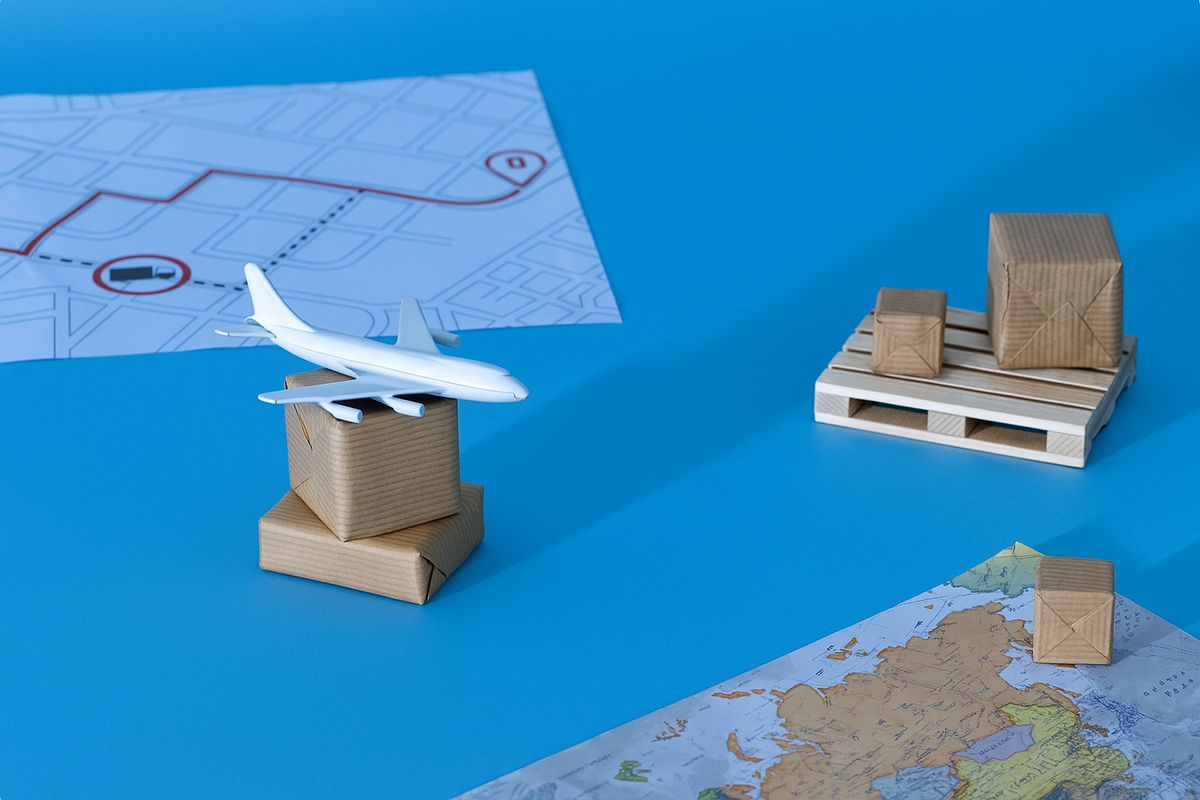
Funding day feels like the finish line. In reality, it’s closer to the halfway point.
For many creators, the biggest surprises happen after the campaign ends. Manufacturing is only one part of the process. Export prep, freight, customs, warehouse receiving, and last-mile delivery can each add time, cost, and complexity that’s easy to underestimate during the excitement of launch.
The good news is that most fulfillment problems can be mitigated before your campaign goes live. Decisions about shipping models, duties, estimated delivery dates, and fulfillment partners all happen long before rewards leave the factory.
In this guide, we’ll cover:
- The post-campaign timeline creators often underestimate
- The four most common fulfillment models
- What changed with international shipping and duties
- How to set a realistic estimated delivery date
- A pre-launch fulfillment checklist
The Post-Campaign Timeline Most Creators Don't Plan For
If you're manufacturing overseas, the realistic window from “campaign ends” to “last reward delivered” is around twelve months. Some campaigns ship in nine months. Many take fifteen. First-time creators, complex products, and anything requiring custom tooling tend to land at the longer end.
That isn't pessimism. Fulfillment is a chain of sequential steps, and each one has to finish before the next can start. Here's what's actually happening between the funding announcement and the shipping notification.
Manufacturing and Production (Months 1–8)
After your campaign ends, Kickstarter takes roughly two weeks to process payments while you finalize contracts and deposits with your manufacturer.
Production timelines vary widely by category. Electronics, products with custom components, and projects affected by stretch goals often require additional sample rounds, sourcing adjustments, or certification processes.
If you’re manufacturing in China, timing around the Lunar New Year matters too. Most factories shut down for several weeks in January or February, which can significantly extend timelines if your production window overlaps with the holiday.
The best way to build a realistic schedule is to ask your manufacturer not only how long production will take, but why. The details behind the estimate are usually where delays emerge.
Freight and Customs (Months 8–10)
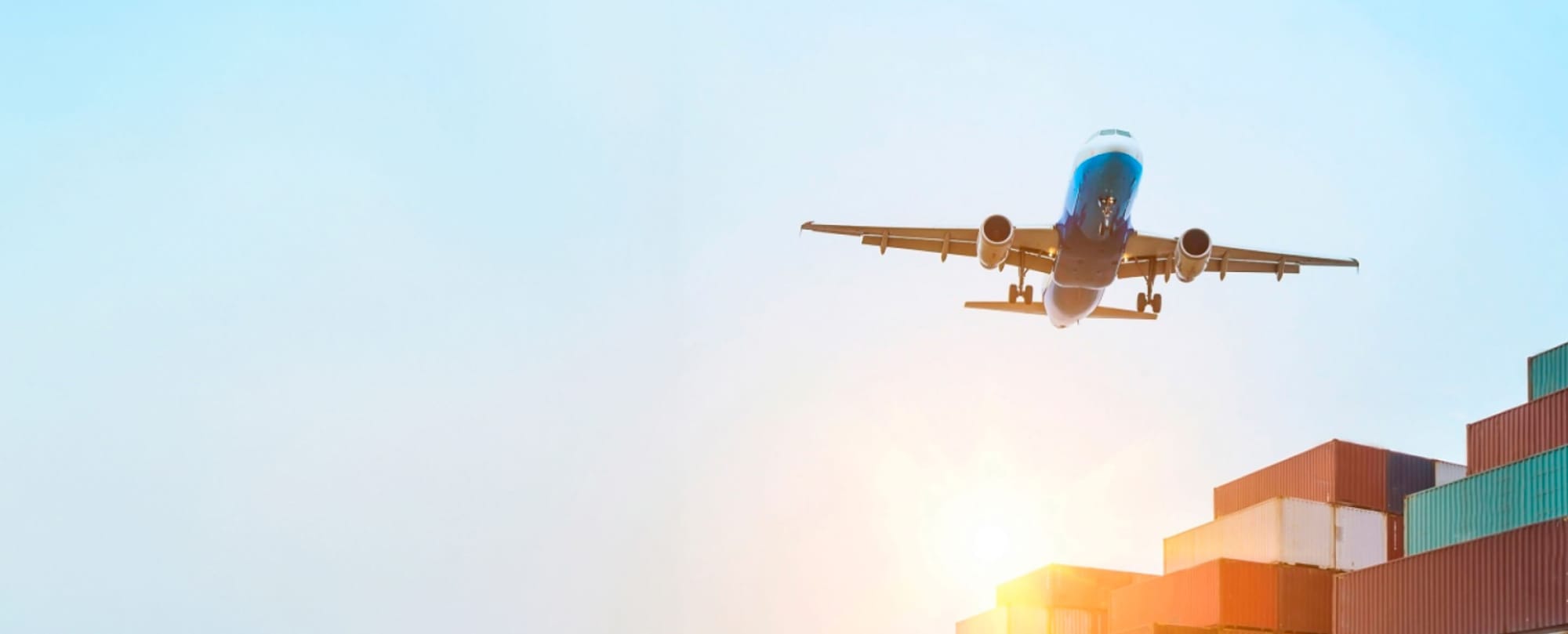
Once production finishes, the goods need to be physically moved. According to Flexport's Ocean Timeliness Indicator, ocean freight from China to the US West Coast currently averages about 37 days, with East Coast runs closer to 53 days, and North Europe routes at about 58 days — assuming you're shipping a full bulk container to a warehouse.
Air freight is faster (days, not weeks). The catch: it eats into reward margins fast at full-production-run scale. Direct fulfillment models change that math, since rewards move as individual parcels at parcel rates — so the speed of air becomes much more affordable.
Customs clearance is usually one to two weeks if your paperwork is clean. The wild card is examination. CBP examines roughly 3–5% of inbound containers, but that average hides something important for Kickstarter creators: first-time importers are almost always selected for inspection, and so are any shipments where documentation, valuation, or HS codes look off. An inspection can add anywhere from a few days to a month, plus exam fees you'll be charged for. If this is your first overseas shipment, plan for it.
Warehouse Receiving and Last-Mile Shipping (Months 10–12)
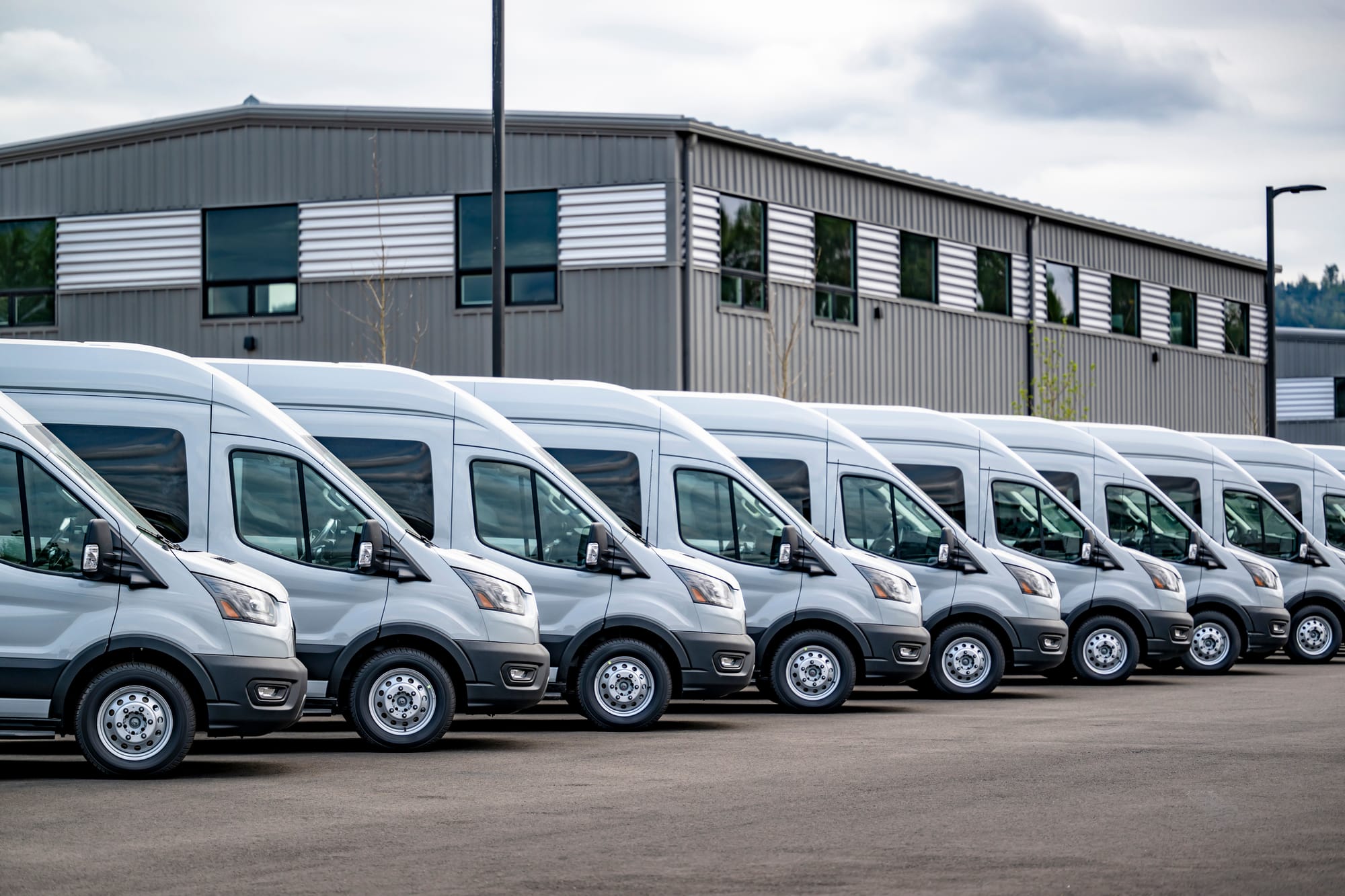
If you’re using a warehouse or 3PL, inventory still needs to be unloaded, counted, reconciled, and sometimes assembled into final reward packages before shipping begins.
Then comes last-mile delivery. Domestic shipments may arrive within days, while international rewards can take weeks depending on customs and local carriers.
One thing creators sometimes overlook: not all backers receive rewards at the same time. Warehouses ship in batches, and international delivery timelines vary considerably by region.
Some fulfillment models can shorten parts of this process by shipping rewards directly from manufacturers to backers instead of routing inventory through a warehouse first.
Choosing a Fulfillment Model
There’s no single “right” fulfillment setup for every campaign. The best approach depends on:
- How many backers you have
- Where they’re located
- How complex your rewards are
- How much inventory and upfront cost you can manage
Self-Fulfillment
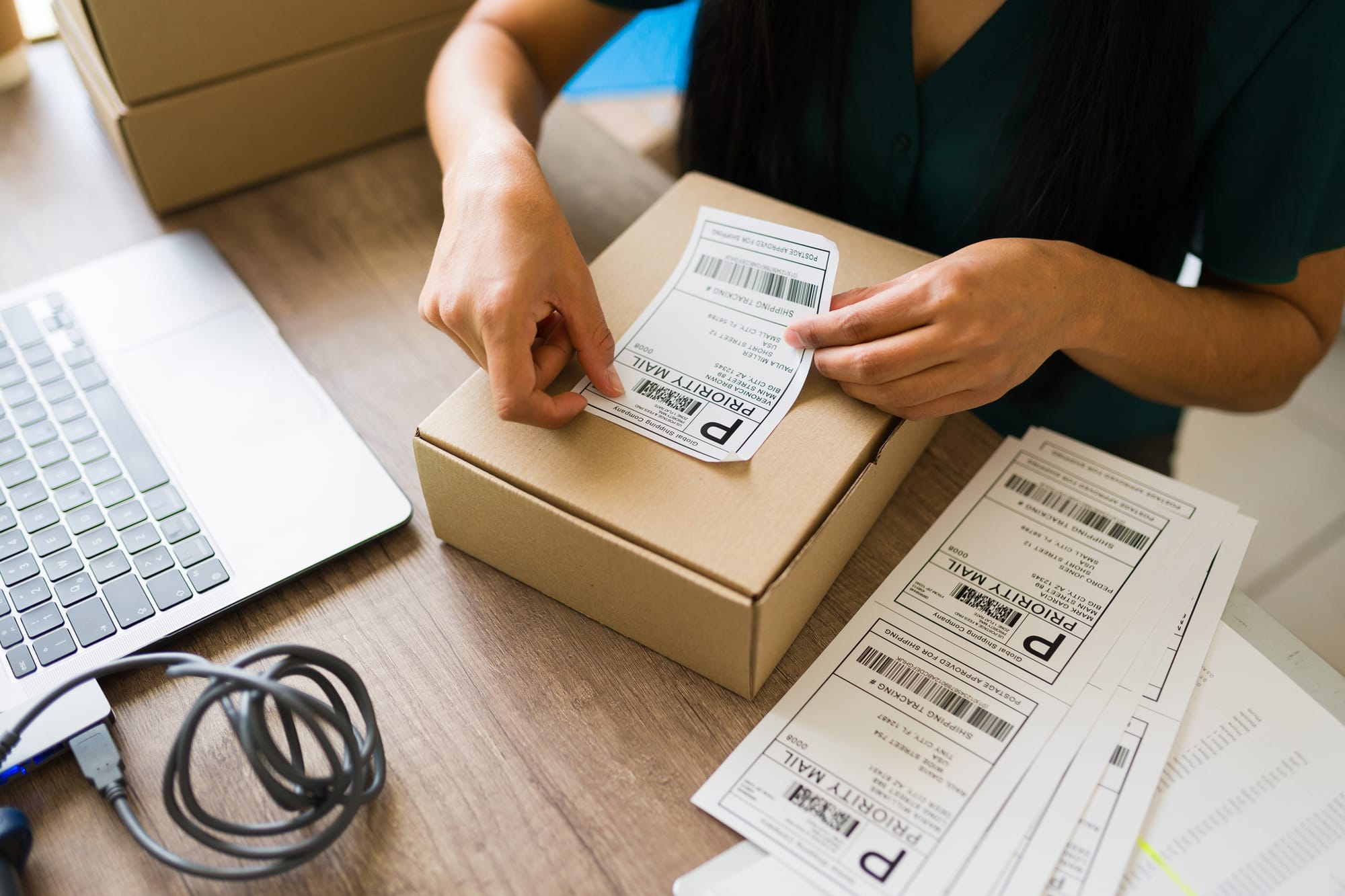
You receive inventory yourself and ship directly to backers.
This can work well for smaller campaigns with relatively simple products and mostly domestic shipping. It’s often the lowest-cost option upfront.
The trade-off is time. Packing boxes, handling customer support, and managing international shipping quickly becomes difficult to scale.
Direct Fulfillment
With direct fulfillment, rewards ship individually from the manufacturing country directly to backers, bypassing bulk warehouse storage.
This model is increasingly common for campaigns with international backers, large SKU counts, or tighter cash flow.
The biggest advantage is flexibility. Instead of paying to move and store large amounts of inventory upfront, products move directly to the people who backed them.
Kickstarter Partner Portless specializes in this model, helping creators ship directly from manufacturers in Asia to backers in more than 75 countries.
Domestic 3PL (Third-Party Logistics)
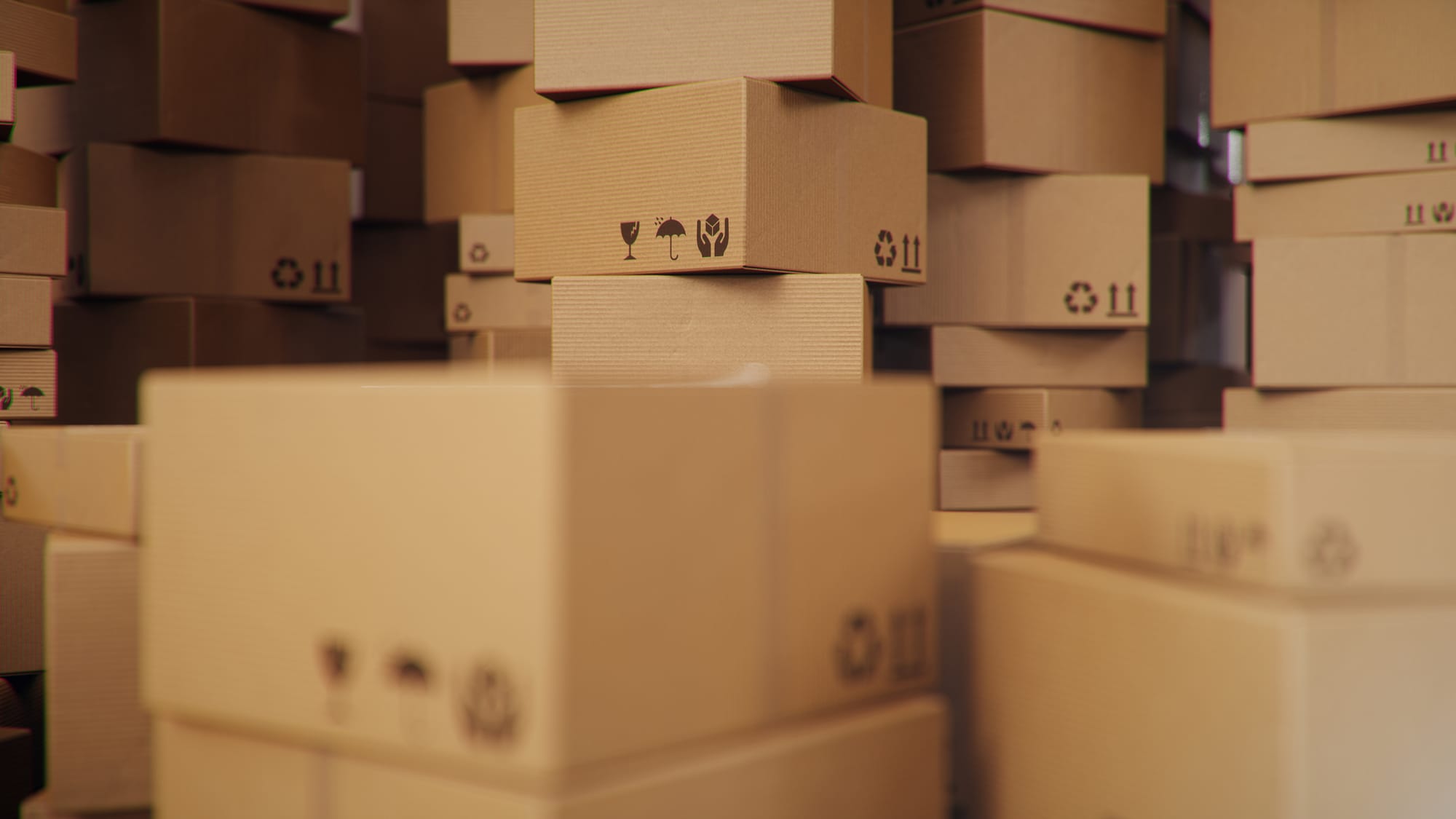
This is the traditional fulfillment model for many mid-sized campaigns.
Inventory ships in bulk from the manufacturer to a warehouse in your home country, where a fulfillment partner stores and ships rewards to backers.
It creates a clean operational handoff, but there are additional costs creators sometimes underestimate:
- Warehouse receiving fees
- Storage fees
- Upfront duties on bulk imports
- Inventory sitting while surveys and addresses are finalized
Hybrid Fulfillment
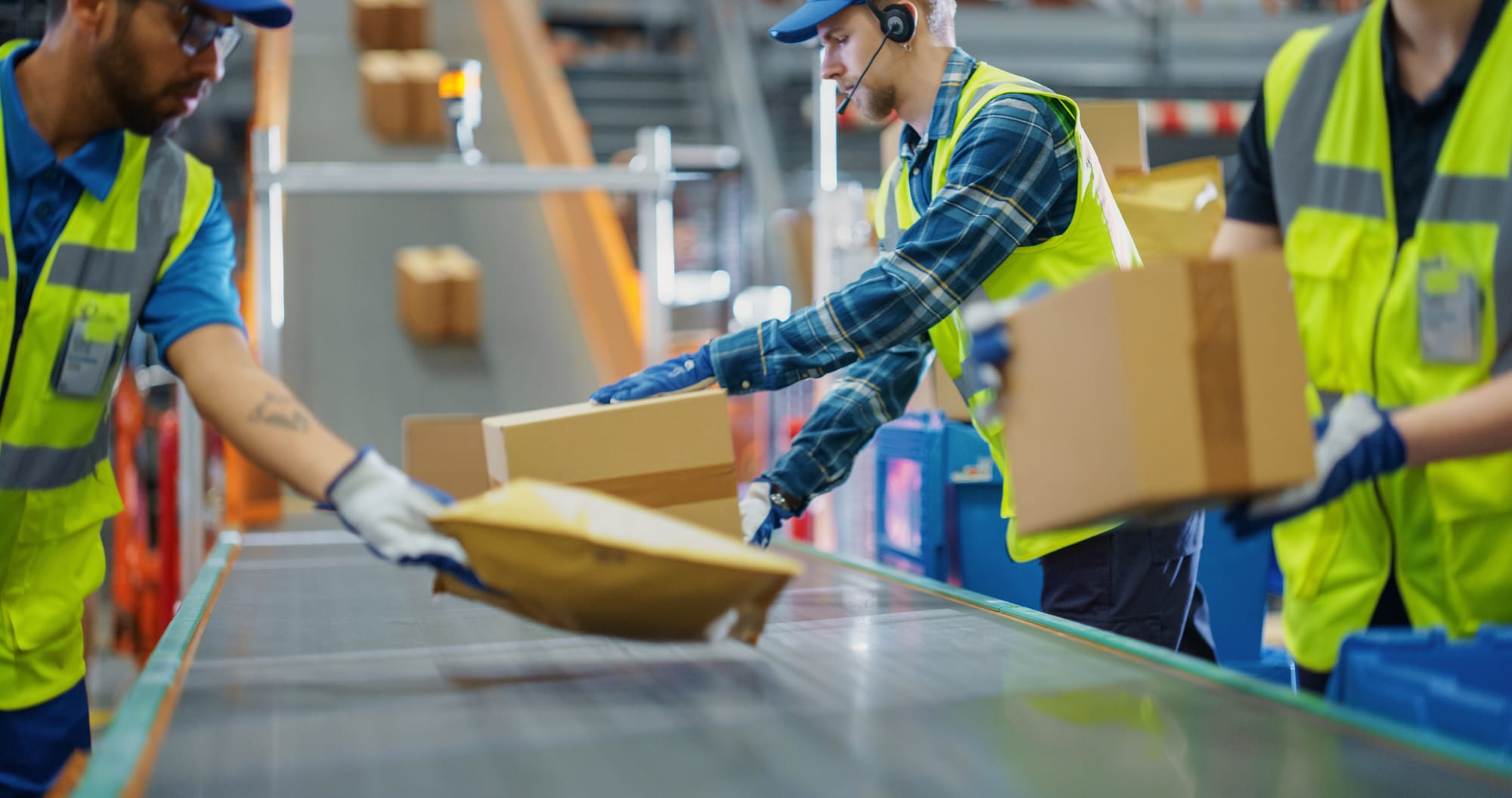
Some creators combine models. For example, a domestic 3PL might handle US backers while a direct fulfillment partner handles international shipments.
This approach can balance speed and cost across different regions, though it introduces more coordination complexity.
If you’re unsure where to start, two questions help narrow things down quickly:
- Where are your backers located? If most backers are concentrated in one country, a domestic 3PL may make sense. If backers are spread globally, direct fulfillment is often easier to scale.
- What does your cash flow look like? Bulk importing inventory requires paying freight, duties, and storage costs upfront. Direct fulfillment spreads many of those costs across individual shipments instead.
Shipping Internationally: Duties, Taxes, and What Changed
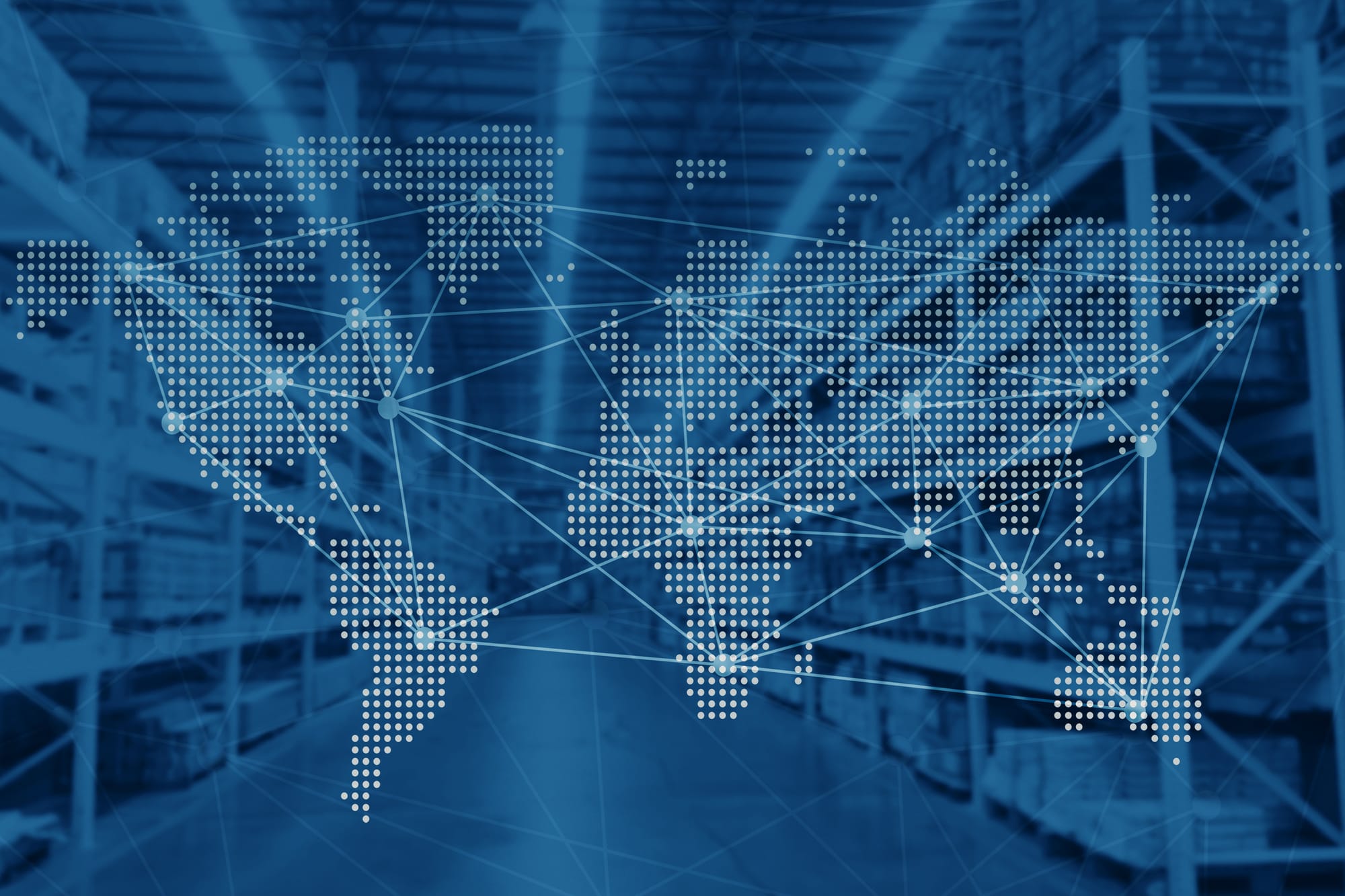
International fulfillment has changed significantly in recent years.
For a long time, many lower-value shipments entered countries under “de minimis” thresholds, allowing them to avoid duties or simplified customs processes.
That landscape is shifting.
The US suspended the $800 de minimis exemption for shipments from China and Hong Kong in 2025, and additional changes followed in 2026. The EU and UK are also moving toward tighter rules around low-value imports.
For creators, the practical takeaway is simple: duties and taxes should now be treated as a core part of fulfillment planning, not an edge case.
DDP vs. DDU
Two shipping terms determine who pays duties and taxes:
DDP (Delivered Duty Paid)
Duties are paid upfront by the creator or fulfillment partner. Backers receive the package without additional fees.
DDU (Delivered Duty Unpaid)
The backer pays duties and taxes when the package arrives.
DDU can reduce costs for creators, but it often creates a frustrating backer experience. Unexpected customs charges are one of the most common causes of international fulfillment complaints.
Whenever possible, creators should clearly communicate how duties will work before the campaign launches.
HS Codes and Customs Documentation
Every international shipment requires accurate customs documentation, including:
- HS codes
- Declared value
- Country of origin
Incorrect or incomplete paperwork is one of the most common causes of customs delays.
If you’re manufacturing overseas, it’s worth confirming this information with your manufacturer, freight forwarder, or customs broker before shipments leave the factory.
Setting an Estimated Delivery Date That Actually Holds
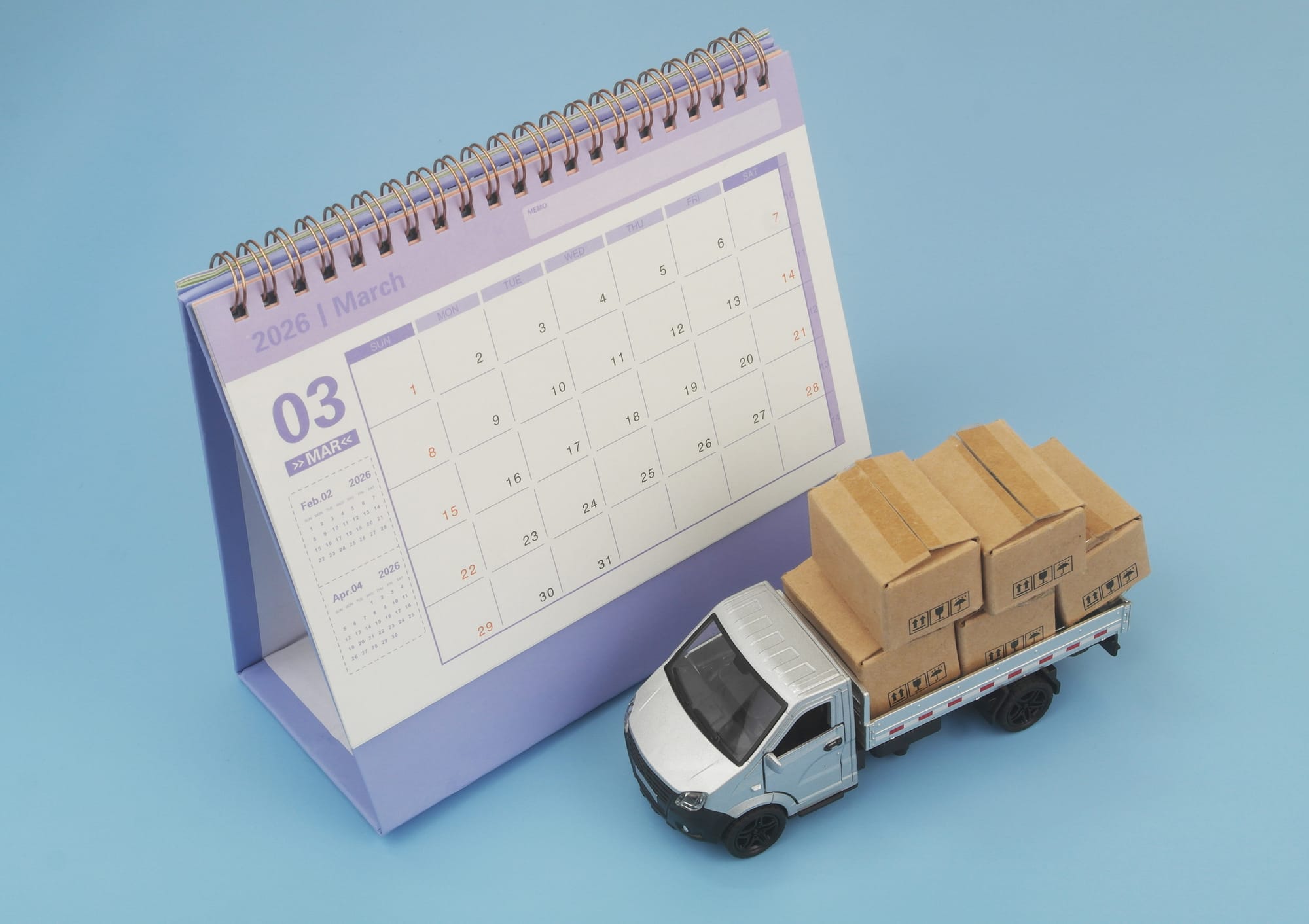
Your estimated delivery date is one of the most important promises on your campaign page.
Backers understand that delays can happen. What’s harder is repeated timeline changes caused by overly optimistic planning.
A realistic estimated delivery date is built backward from the slowest and most unpredictable parts of the process.
A good rule of thumb:
- Start with your manufacturer’s realistic production timeline
- Add time for freight and customs
- Add time for warehouse receiving and fulfillment
- Add time for your slowest shipping region
- Add additional buffer for unexpected delays
Many experienced creators build in roughly a 25% cushion.
That extra margin can absorb production changes, inspections, port congestion, carrier delays, or seasonal slowdowns before they become public timeline revisions.
Conservative delivery estimates are usually easier on backer trust than optimistic dates that repeatedly move.
Pre-Launch Fulfillment Checklist

Before launch, confirm:
Manufacturing
- Production lead times confirmed in writing
- QC process established
- Packaging requirements finalized
- Compliance requirements identified
- HS codes assigned
Freight and Customs
- Freight method selected
- Customs broker identified if needed
- Duty and tax estimates added to the budget
- Shipping regions confirmed
Fulfillment
- Fulfillment model selected
- Fulfillment partner pricing reviewed
- Backer survey platform chosen
- International shipping strategy finalized
Backer Communication
- Estimated delivery date includes a realistic buffer
- Duties and taxes clearly explained
- Shipping costs finalized or estimated transparently
- Update cadence planned for production and fulfillment
Final Thoughts
Fulfillment is one of the most challenging parts of running a Kickstarter campaign because so much of it happens after the excitement of funding day.
But strong planning goes a long way.
Most fulfillment delays aren’t caused by a single catastrophic problem. They’re the result of small decisions, unrealistic timelines, or overlooked logistics compounding over time.
The more clarity you build into your manufacturing, shipping, and communication plans before launch, the smoother fulfillment tends to be for both you and your backers.
Portless is an official Kickstarter Partner for direct fulfillment, shipping rewards from manufacturers in Asia to backers in 75+ countries in five to eight days — duties, customs, and last-mile carriers all handled. If you're shipping internationally and want to skip the bulk-warehouse step, see how it works for your campaign.
