How to Fund Your Idea: A Complete Guide for Creators
Every creative project starts with the same question: How am I going to pay for this?


Whether you're making a documentary, publishing your first comic, designing a tabletop game, recording an album, opening a neighborhood café, or bringing a new product to life, funding is often the biggest hurdle between an idea and making it a reality.
The good news? There's more than one way to fund a creative project.
Today, creators have more options than ever before. Crowdfunding, grants, pre-sales, community support, self-funding, loans, and investors each offer a different path forward. The right one depends on what you're creating, what stage you're in, and how you want to grow your work.
This guide breaks down the most common funding options for creators, explains the strengths and tradeoffs of each, and helps you decide which approach is right for your next project.
What are the most common ways creators fund their ideas?
Most creative projects are funded through one or more of these approaches:
| Funding | Best if... | Catch | Gain |
|---|---|---|---|
| Crowdfunding | Validate demand before you build | Run a campaign | Ownership, funding, & validation |
| Grants | Mission-aligned work | Slow & competitive | Credibility |
| Pre-sales | Existing demand | Need customers | Early revenue |
| Memberships | Ongoing work | Constant output | Recurring income |
| Self-funding | Can absorb risk | Personal savings | Full control |
| Loans | Can repay | Debt | Fast capital |
| Investors | High growth | Give up ownership | Capital & mentorship |
Many creators combine several of these methods over time. A filmmaker might receive a grant to begin production, launch a crowdfunding campaign to finish the film, and later build a membership community to support future work. A product designer might bootstrap an early prototype before using crowdfunding to validate demand and finance manufacturing.
The best funding strategy isn't always about raising the most money. It's about choosing the approach that supports your goals, your audience, and your creative independence.
Before you choose a funding model
Before comparing funding options, ask yourself a few simple questions.
Do you want to keep full ownership of your work?
Some funding models, like crowdfunding, grants, and self-funding, allow creators to retain complete ownership. Others, like venture capital, typically require giving up equity in exchange for investment.
Are you trying to validate an idea before investing heavily?
If you're launching a new product, game, film, or creative business, knowing whether people actually want what you're making can be just as valuable as the funding itself.
Is this one project or the beginning of a long-term creative practice?
Some funding methods are designed to support a single launch. Others help creators build sustainable income over months or years.
Your answers will help determine which funding model makes the most sense.
Crowdfunding: Build support before you build the finished project
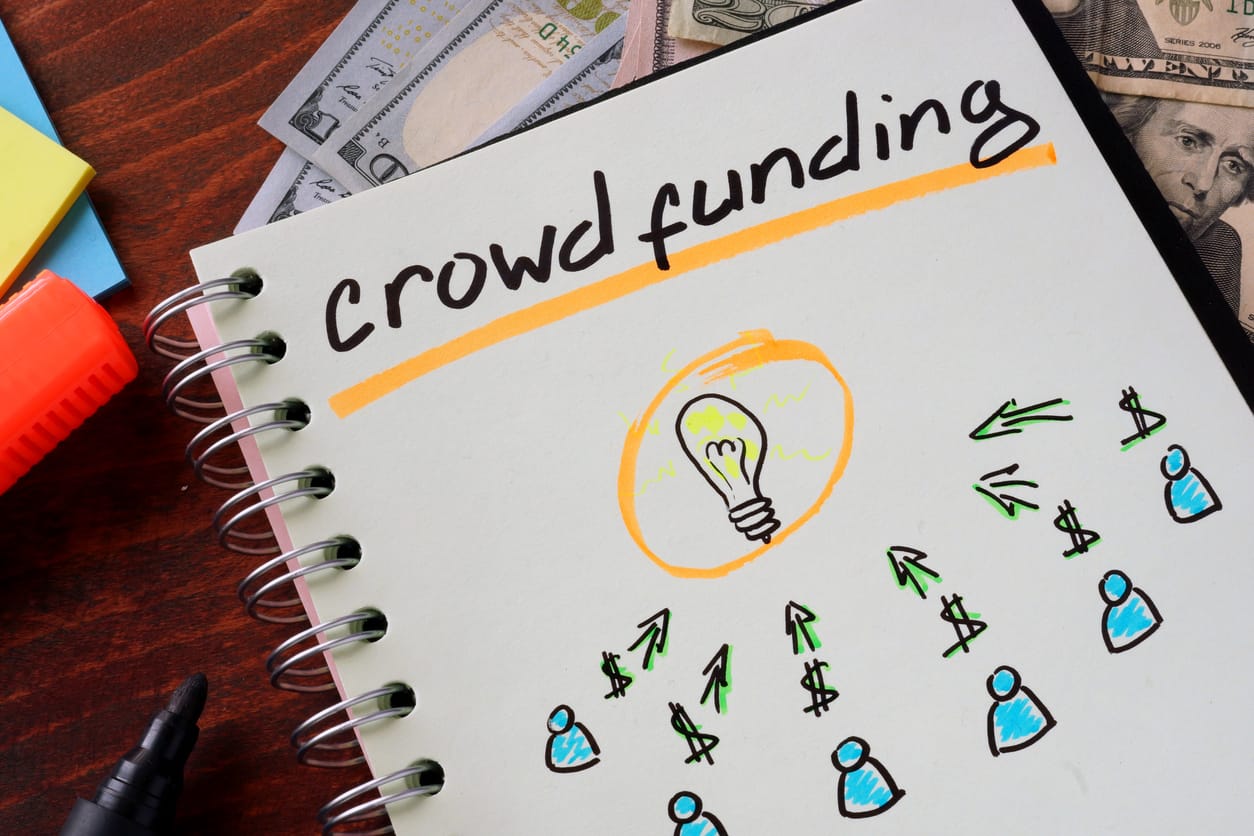
Crowdfunding allows creators to raise money directly from the people who believe in their ideas.
Instead of relying on a single investor or lender, creators invite their communities to help fund a project before it's completed. In return, supporters often receive rewards, early access, exclusive editions, or the opportunity to help bring something new into the world.
For many creators, crowdfunding offers something that's difficult to find elsewhere: funding and validation at the same time.
A successful campaign doesn't just help pay for production. It demonstrates that real people are excited enough about your idea to support it before it exists.
Crowdfunding can also help creators:
- Build an audience before launch
- Generate excitement around a project
- Receive early feedback
- Reduce financial risk before production
- Maintain creative ownership
- Create lasting relationships with supporters
Crowdfunding is especially well suited for creative work like films, music, publishing, tabletop games, comics, art, design, technology, and independent products.
Looking for inspiration? See how these creators successfully funded their projects on Kickstarter:
- Inventor and YouTuber, Simone Giertz
- Wildlife Photographer, Margot Raggett
- Podcaster, Erika Ishii
- WeirdCo's Cyberpunk Trading Card Game
If your goal is to fund a project while building a community around it, crowdfunding is often one of the strongest options available.
 Kickstarter
Grants: Funding mission-driven creative work
Grants provide funding that typically doesn't need to be repaid.
Governments, foundations, nonprofits, and arts organizations award grants to projects that align with their missions, whether that's supporting artists, preserving culture, advancing education, or strengthening communities.
Grants can be an excellent option for filmmakers, artists, educators, researchers, nonprofits, and community organizations.
Because grant funding is competitive, applications often require detailed proposals, budgets, timelines, and supporting materials. Decisions may take weeks or even months.
Many creators use grants to begin a project before turning to crowdfunding to expand its reach or complete production.
 Kickstarter
Pre-sales: Fund production by selling before you manufacture
Pre-selling allows creators to generate revenue before producing a finished product.
Customers purchase in advance, giving creators the capital needed to manufacture inventory while reducing the financial risk of producing something that may not sell.
Pre-sales work especially well for physical products, books, tabletop games, technology, design objects, and limited-edition releases.
Many crowdfunding campaigns function as structured pre-sales, combining early customer demand with the excitement of a public launch.
Community funding: Build ongoing support
Not every creative project begins and ends with a single launch.
Many creators build sustainable businesses through recurring support from their communities. Memberships, subscriptions, and patron programs allow audiences to contribute on an ongoing basis in exchange for exclusive content, behind-the-scenes access, or simply the opportunity to support work they value.

Community funding is especially popular among podcasters, musicians, journalists, educators, artists, and independent media creators.
If your work is ongoing, recurring support can provide stability between larger projects.
Self-funding: Invest in yourself
Many creative projects begin with personal savings, freelance income, or revenue from previous work.
Self-funding, often called bootstrapping, offers complete creative freedom. You don't owe anyone repayment, and you don't give up ownership.
The tradeoff is that you assume all of the financial risk yourself.
Many creators bootstrap early research, prototypes, or small pilot projects before pursuing crowdfunding, grants, or other funding sources.
Loans: Borrow now, repay later
Loans can provide quick access to capital, but they must be repaid regardless of whether a project succeeds.
For creators with established businesses and predictable revenue, loans may help finance equipment, inventory, or expansion.

For early-stage creative projects, however, debt can introduce additional financial pressure before demand has been validated.
Investors: Trading ownership for growth
Investors provide funding in exchange for ownership in a company.
Angel investors and venture capital firms generally look for businesses capable of significant long-term growth and financial returns.
While outside investment can accelerate expansion, it also means sharing ownership, decision-making, and future profits.
For many creative projects, maintaining creative independence is just as important as raising capital. That's one reason many creators explore crowdfunding or grants before seeking investors.
Can you combine funding methods?
Absolutely.
Many successful creators use different funding methods at different stages of a project.
Some common paths include:
- Self-funding → Crowdfunding → Retail launch
- Grant → Crowdfunding → Distribution
- Crowdfunding → Membership community
- Community funding → New creative projects
- Pre-sales → Manufacturing → Retail
Funding isn't always a single decision. It can evolve alongside your creative practice.
Frequently asked questions
What is the best way to fund a creative project?
There isn't a single best option. Crowdfunding, grants, pre-sales, community funding, self-funding, loans, and investors each offer different advantages depending on your goals, timeline, and audience.
How do creators launch products without investors?
Many creators use crowdfunding or pre-sales to validate demand, finance production, and build an audience without giving up ownership.
Can I use crowdfunding and grants together?
Yes. Many creators receive grant funding during early development and later launch crowdfunding campaigns to complete production or bring their work to market.
Do I need an audience before seeking funding?
Not necessarily. While an existing audience can help, many creators build their communities throughout the funding process by sharing their story and engaging supporters along the way.
Is crowdfunding only for physical products?
No. Crowdfunding supports everything from films, music, books, and games to journalism, technology, design, art, fashion, and community initiatives.
Choosing the right path
Funding a creative project isn't about finding the "perfect" source of money. It's about choosing the path that best supports the kind of creator you want to be.
Some projects are best served by grants. Others benefit from recurring community support or pre-sales. But for creators looking to validate an idea, build an audience, and raise funds without giving up ownership, crowdfunding offers a unique combination of funding, momentum, and community.
Whatever you're creating, every successful project begins with someone willing to believe in an idea. Finding the right funding strategy can help turn that belief into something real.
Ready to take the next step?
.
