
Meet the First Recipients of the Google Next Wave Fund
From robotic hands and AI translation to respiratory health and digital scent, these creators are turning ambitious ideas into reality with support from the Kickstarter X Google Next Wave Fund.

What if a robotic hand could be affordable enough for anyone to build with? What if video games could have scent? What if every movie could be understood in any language? What if anyone could help map the night sky?
The first recipients of the Google Next Wave Fund are tackling ambitious problems across hardware, AI, health, accessibility, gaming, and science. While their projects are wildly different, they share something in common: they reached a point where the only way forward was to put their idea into the world.
Here's what they had to say about building something new and inviting others to believe in it.
William Lin, Gesture HW1
Making robotic hands more accessible.
For more than three years, William Lin iterated on 20 versions of the HW1, an affordable robotic hand-and-wrist platform designed for researchers and developers.
What began as a personal experiment grew into something much bigger.
"Originally, I was only building a hand to play with control algorithms, but then I got sucked into a wormhole trying to make improvements."
Even after years of work, confidence wasn't constant.
"I'm quite optimistic in the morning, and as the day progresses, I lose more and more confidence. I like to think that keeps me at a healthy average."
Seeing strangers rally behind the project transformed the experience.
"I'm beyond grateful for how supportive people have been to someone who came out of nowhere to offer them some hands."
His advice to other creators is refreshingly simple:
"It's been more exciting and valuable to push things out there rather than stew over them for too long."
Mandeep Patel, Sonify
Rethinking how we block unwanted noise.

For Mandeep Patel and the team behind Sonify, the goal is clear: help people reclaim quiet.
Sonify's adaptive sound masking system works differently from traditional white-noise machines. Instead of placing a speaker next to the bed, it turns walls, windows, and ceilings into the surfaces that mask incoming noise.
The idea traces back years before the company officially existed.
"I actually used an extremely crude version of this in 2016 in college."
Building the product meant years of testing, iteration, and late nights.
"A lot of it was unglamorous. Prototypes that didn't work, chasing parts, sitting in beta testers' apartments listening to traffic at 2 a.m."
Patel says he never doubted the problem itself.
"Noise is something everyone complains about and nobody has a good answer for."
Believing the solution would work, however, took time.
"The first time I saw the Apple Watch logs from a beta tester showing longer sleep duration, that was exciting."
When nearly 1,000 backers put their support behind the project, the responsibility became real.
"When around 1,000 people put money behind something that doesn't exist yet, you feel that every morning."
His advice to aspiring creators echoes many of the fund recipients:
"Start before you feel ready, and talk to the people who actually have the problem far earlier than is comfortable."
Chang Yu, Grubsnap
Reimagining healthy eating with AI
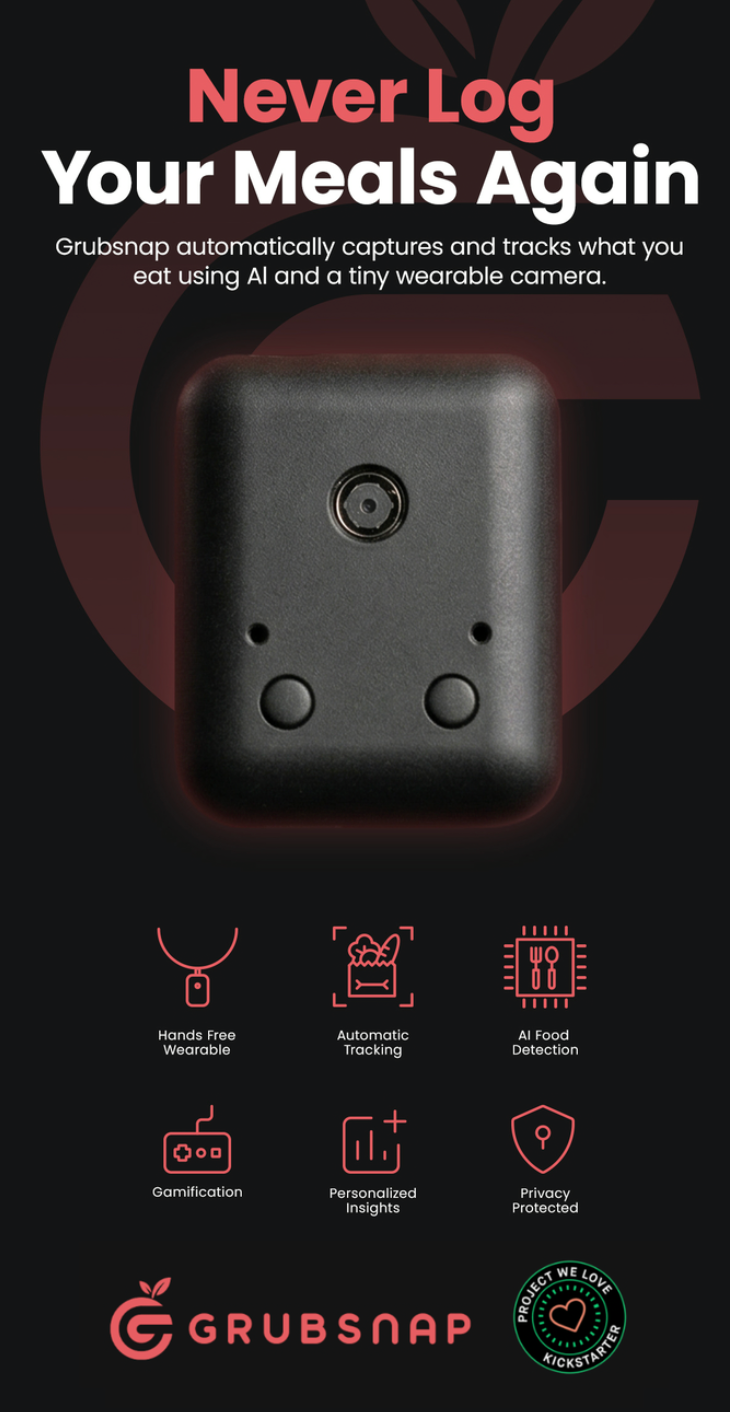
Ten years after first meeting at an early-stage startup in New York City, Al and Chang reunited around a shared mission: making healthy eating easier to sustain.
They believed in the idea because they'd seen the problem firsthand.
"Anything that requires repeated, ongoing willpower is going to be a challenge to keep up."
At the same time, they understood their approach wouldn't resonate with everyone immediately.
"That actually gave us more confidence to push forward because anything truly bold isn't going to appeal to everyone at the very beginning."
For them, crowdfunding wasn't simply a way to launch a product. It was a way to find optimistic early adopters.
"Kickstarter still feels like a safe space for optimists and dreamers that truly want to bring positive change into the world."
Their advice:
"Get your idea out there earlier than what feels comfortable. You never know. There could be a community waiting for it."
Colin Giblin, Omara by OVR Technology
Adding scent to digital experiences.

For more than eight years, the team at OVR Technology has worked toward an unusual goal: bringing scent into games and digital experiences.
Creating the technology required combining fragrance design, neuroscience, software, microfluidics, hardware engineering, and game development into a single product.
The breakthrough came from seeing real people experience it.
"When someone experiences scent in a game for the first time, they light up and see that there is a whole layer that they have been missing."
The team says the most rewarding part hasn't been the technology itself, but the community that formed around it.
"Games, developers, fragrance professionals, and hardware people all think scent needs to be added to digital experiences."
Their advice is short and memorable:
"Start. Build a concept, craft an experiment, have a conversation about it."
Ral Oz, Ray
Breaking language barriers with AI.
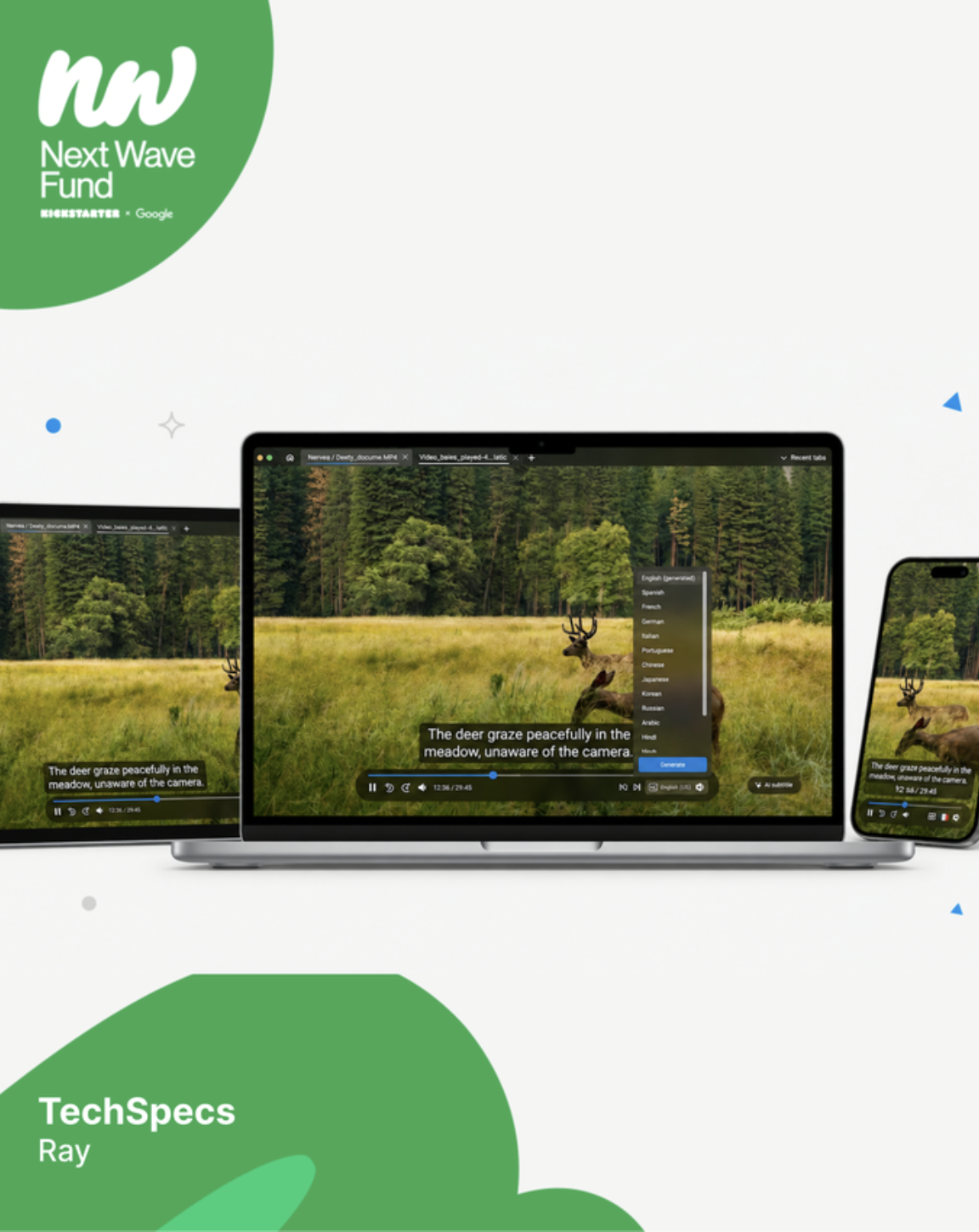
Founder Ral Oz describes himself as a futurist who likes building products that "feel like they were conceived by aliens."
Ray aims to make any video understandable in any language through real-time subtitles, translation, and AI dubbing.
The inspiration came from everyday life.
"My spouse is a non-English speaker, so I had constant reminders about how broken the subtitle experience is."
Rather than perfecting the product in isolation, the team built alongside its earliest supporters.
Backer conversations directly inspired new features, including family content filtering and new subscription tiers.
His biggest lesson?
"Talk to the people who would actually use it. Not investors, not advisors. Users."
And for consumer creators:
"Don't wait until everything is perfect. Get it in front of people, get funded, and build it with them."
Craig Olson, Dojo Air
Building a new category around respiratory health.
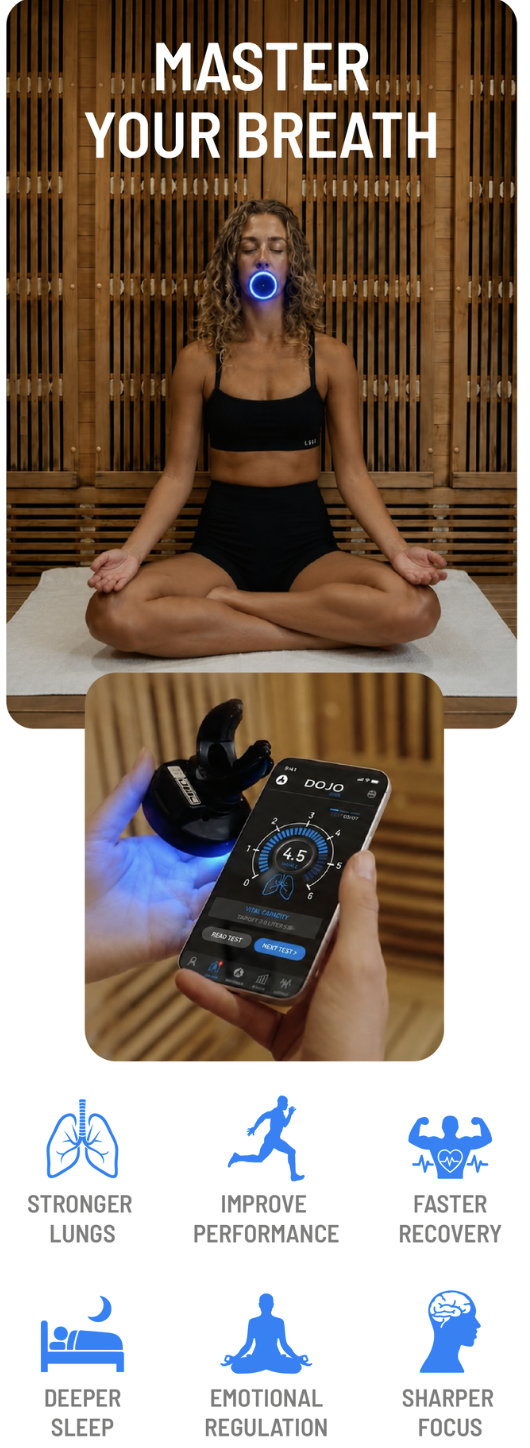
Most people track their sleep. Many track their exercise. Craig Olson wants breathing to become just as measurable.
As co-founder and CEO of Dojo Air. Olson is building what he calls the "respiratory intelligence" category, combining hardware and software to help people better understand their breathing patterns and performance.
For Olson, the challenge isn't simply building a product. It's convincing people that breath deserves attention in the first place.
"You're not just convincing people your product works, you're convincing them that an entire dimension of their health has hitherto been invisible to them."
Unlike some creators who turn to crowdfunding to validate an early concept, Dojo Air arrived on Kickstarter after nearly two years of development, funding, and testing.
"We wanted something the regulatory and hospital sales timelines can't provide: direct, fast signal from real people."
The response exceeded expectations.
"Backers in 57 countries didn't fund a connected spirometer. They funded the idea that their breath matters."
His advice for other creators?
"If you think you're early for a product or a category, go test it on Kickstarter before someone else proves you right by doing it themselves."
Franck Marchis, SkySphere
Building a global observatory together,
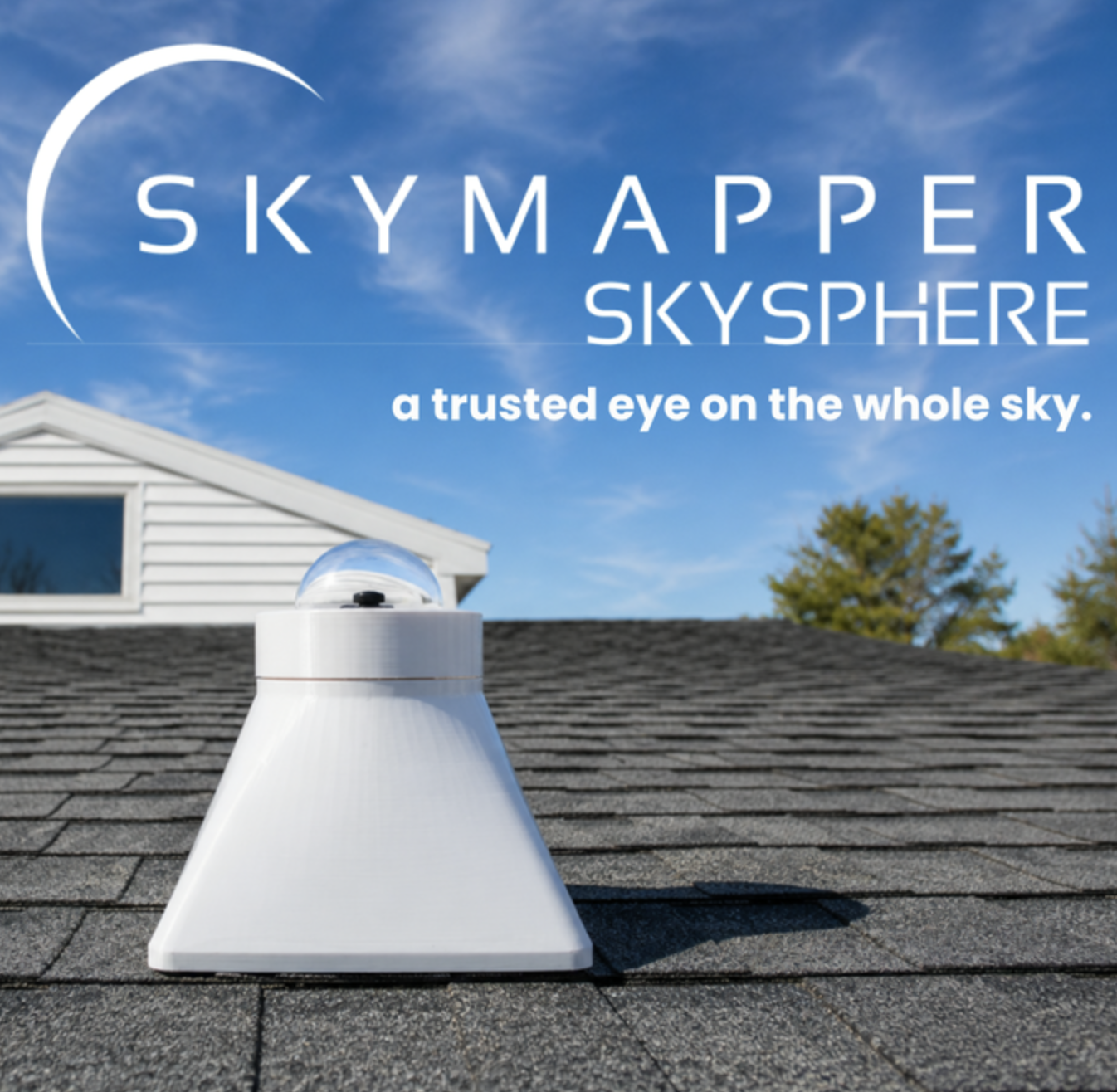
Astronomer and SkyMapper co-founder Franck Marchis has spent more than 25 years helping people experience the universe.
His latest vision is ambitious:
"Map all the sky, all the time."
SkySphere is an always-on intelligent camera designed to become part of a worldwide network that can monitor meteors, satellites, atmospheric events, and more.
For Marchis, crowdfunding made sense because the network becomes more valuable every time someone joins.
"The first participants are not simply customers; they are the founding members of a new kind of global observatory."
His perspective on innovation is rooted in science itself.
"Believing in an idea does not mean assuming that you are right. It means believing that the idea is important enough to test seriously."
And his advice to fellow creators:
"Start making it real. Build a prototype. Test the most uncertain part of the idea. Put it in front of people."
A Community Built on Belief
Robotic hands. AI nutrition. Digital scent. Real-time translation. Global astronomy networks. An adaptive sound masking system.
On paper, these ideas couldn't be more different.
But each creator reached the same conclusion: the best way to find out whether an idea matters is to share it with other people.
That's exactly what the Kickstarter X Google Next Wave Fund is designed to support, giving ambitious creators the resources to take the next step and the confidence that they're not building alone.
