
Partner Case Study: From Lviv to LA, the agency behind multiple $1M+ Kickstarter campaigns
Molecula, an agency based between LA, NYC, and the Ukrainian city of Lviv, focuses on clarity, honesty, and respect for the Kickstarter community.

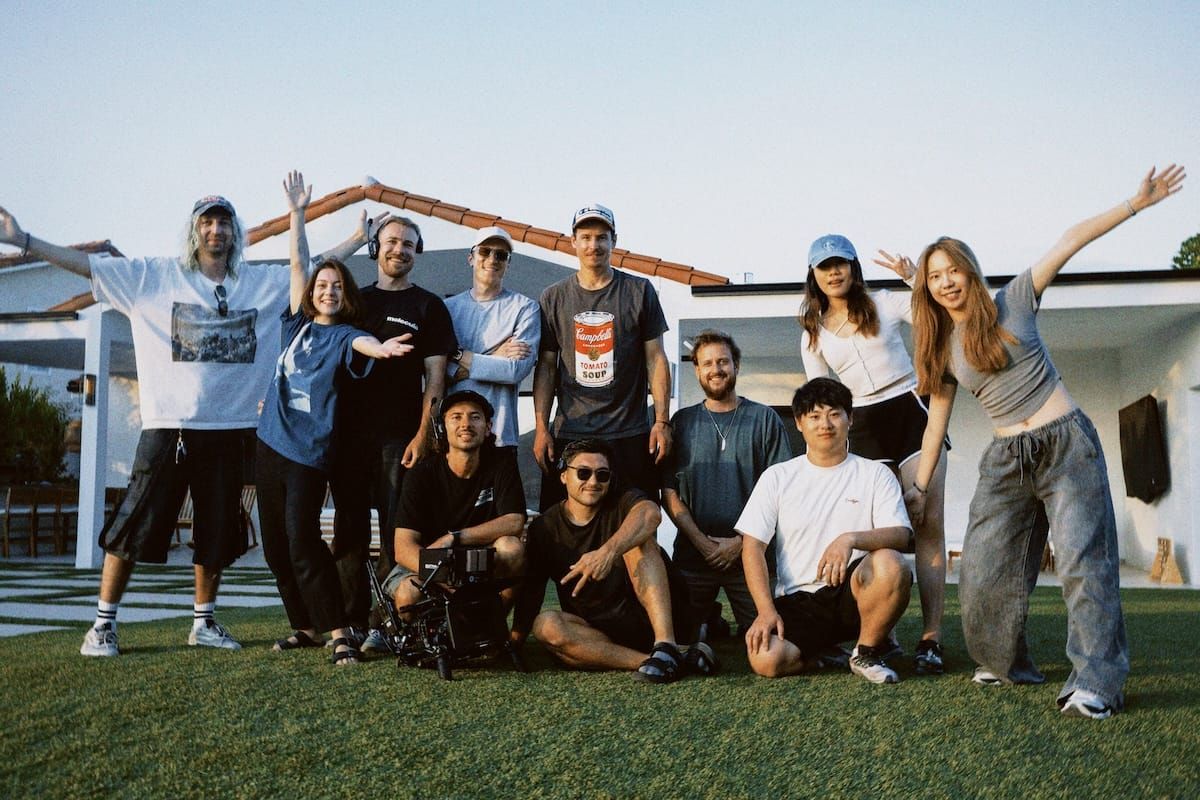
Molecula is the Ukrainian-rooted agency behind such blockbuster Kickstarter campaigns as the HiDock P1, Anymaka, and Newtral Freedom-X, among others.
They've been in the product launch and crowdfunding space for years, and have seen a lot firsthand: filming campaigns across multiple countries, going fully remote during COVID, managing shoots with teams spread across time zones, and helping founders present beta-stage products that needed to look convincing on camera. They're currently operating from Los Angeles, New York, and the Ukrainian city of Lviv.
Since 2018, they've moved from early crowdfunding videos shot on small budgets to large-scale launch campaigns for global brands, a journey that taught them practical things that creators usually only learn the hard way.
We spoke with co-founders Oleg Denysenko and Andriy Zvir, who were happy to share their story and their strategy.
We now have six campaigns that have each raised over $1M on Kickstarter. Looking across all of them, the pattern is consistent: a product people genuinely need, a clear sense of who it's for, and visual communication that respects the audience's intelligence.
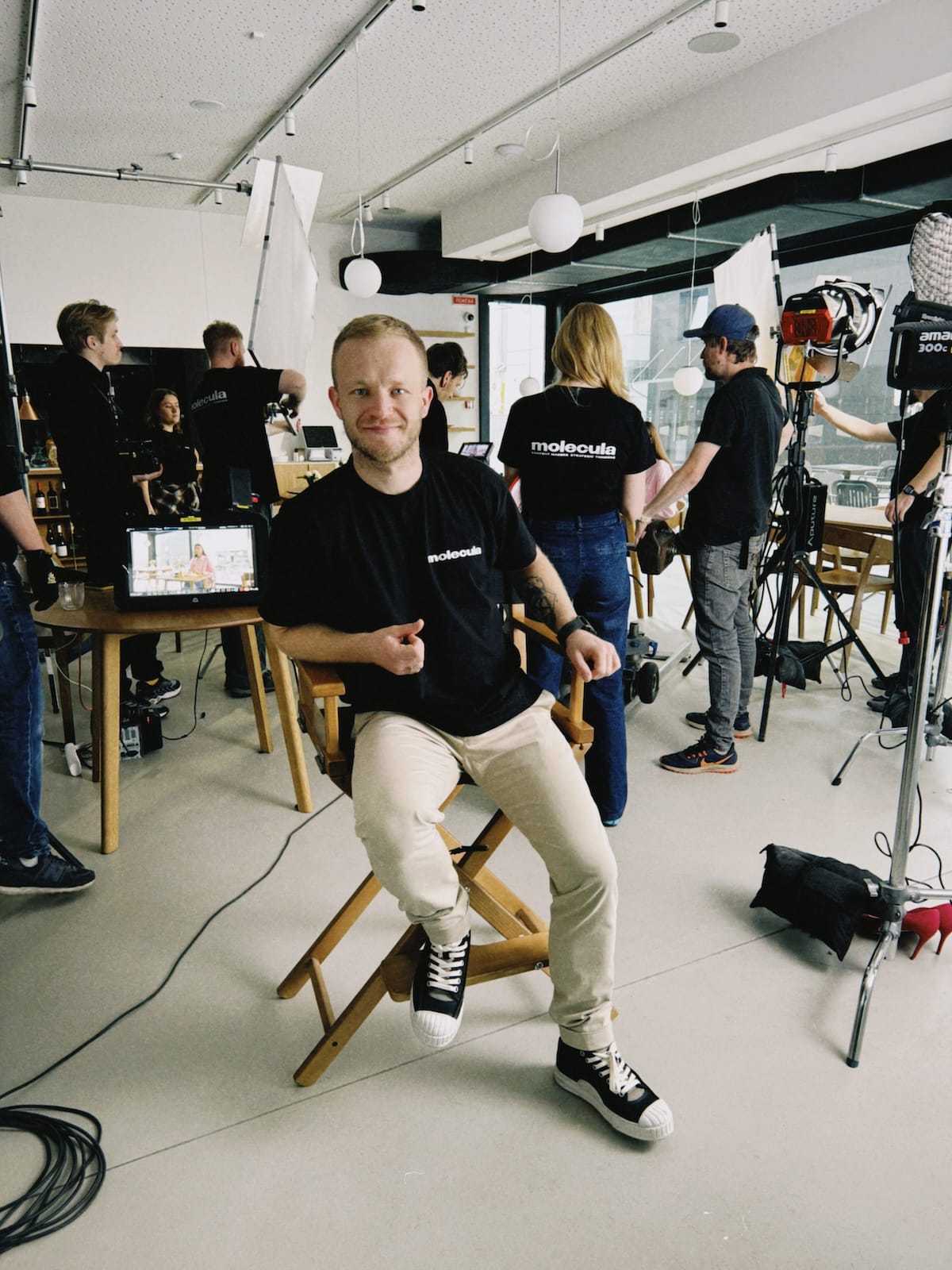
You're a production agency rooted in Ukraine, with clients in China, campaigns launching in the US, and crews across Europe. That's an unusual combination. How did that happen?
Oleg Denysenko: Andriy and I are both from Lviv, a city in western Ukraine that people who've been there tend to describe as one of the most creative and culturally alive places they've ever visited. Old architecture, strong design tradition, people who build things. It shaped us more than we probably realize.
The global part happened step by step. Andriy found our first international client, a Kickstarter campaign, and we flew to Europe with a small crew and shot it. That opened a door to China: meetings, relationships, momentum. Things were moving.
Then COVID hit. Everything froze. No travel, no shoots, no contracts moving forward. We genuinely didn't know what to do next.
So I started writing to people on LinkedIn. Manually, one by one. In Ukraine, restrictions weren't as severe, so we could actually produce when almost no one else could. Chinese brands needed to reach Western audiences but couldn't shoot in China or the US. We were in Lviv, and we could shoot. So we did.
The first clients came in without much trust. We were unknown, remote, Ukrainian. But we delivered. Then delivered again. Looking back, we're proud of that — proud that a studio rooted in Lviv could build a global reputation in one of the most competitive spaces in crowdfunding content. Ukrainian teams are doing world-class work, and we get to be part of that story every day. By the time the world reopened, we had a client base, a reputation in crowdfunding, and workflows running at 20 to 30 projects a year. Those relationships, built when everything was uncertain, are still the foundation of what we do today.
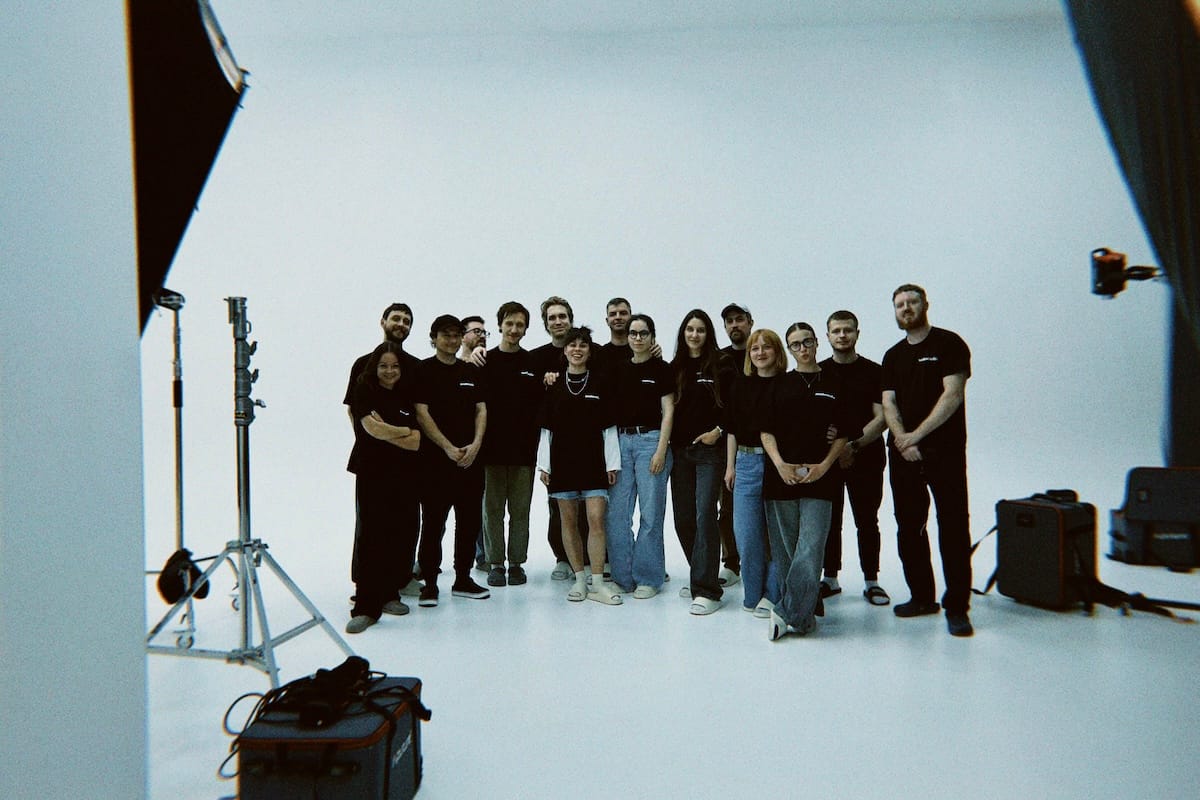
As an agency, you talk about combining strategy, storytelling, and execution. What are some campaigns you've worked on where you think the story was especially compelling?
Oleg: For us, storytelling isn't a crafted narrative. It's an honest answer to one question: why does this product matter to a real person in a real moment?
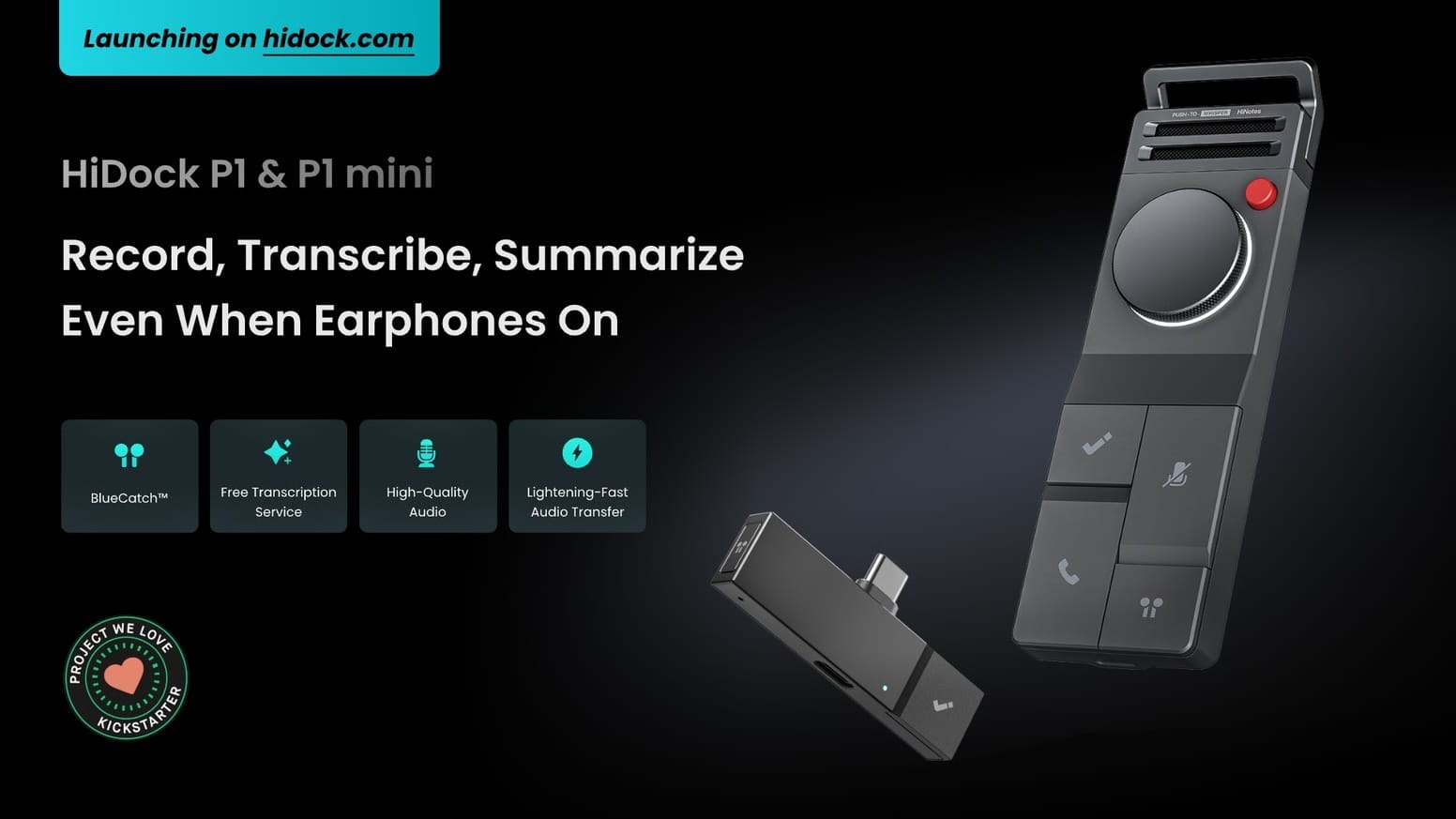
The project that sticks with me most is HiDock P1, an AI voice recorder. Technically complex. The challenge was explaining it to someone who'd never heard of it in under 90 seconds. We didn't shoot the technology. We shot the moment: a person walking out of an important meeting, already unable to remember half of what was said. HiDock solves exactly that. When we led with the moment instead of the specs, the campaign raised $1.1 million and earned 9,000+ backers. It became a "Project We Love" on Kickstarter, and an honest favorite of ours.
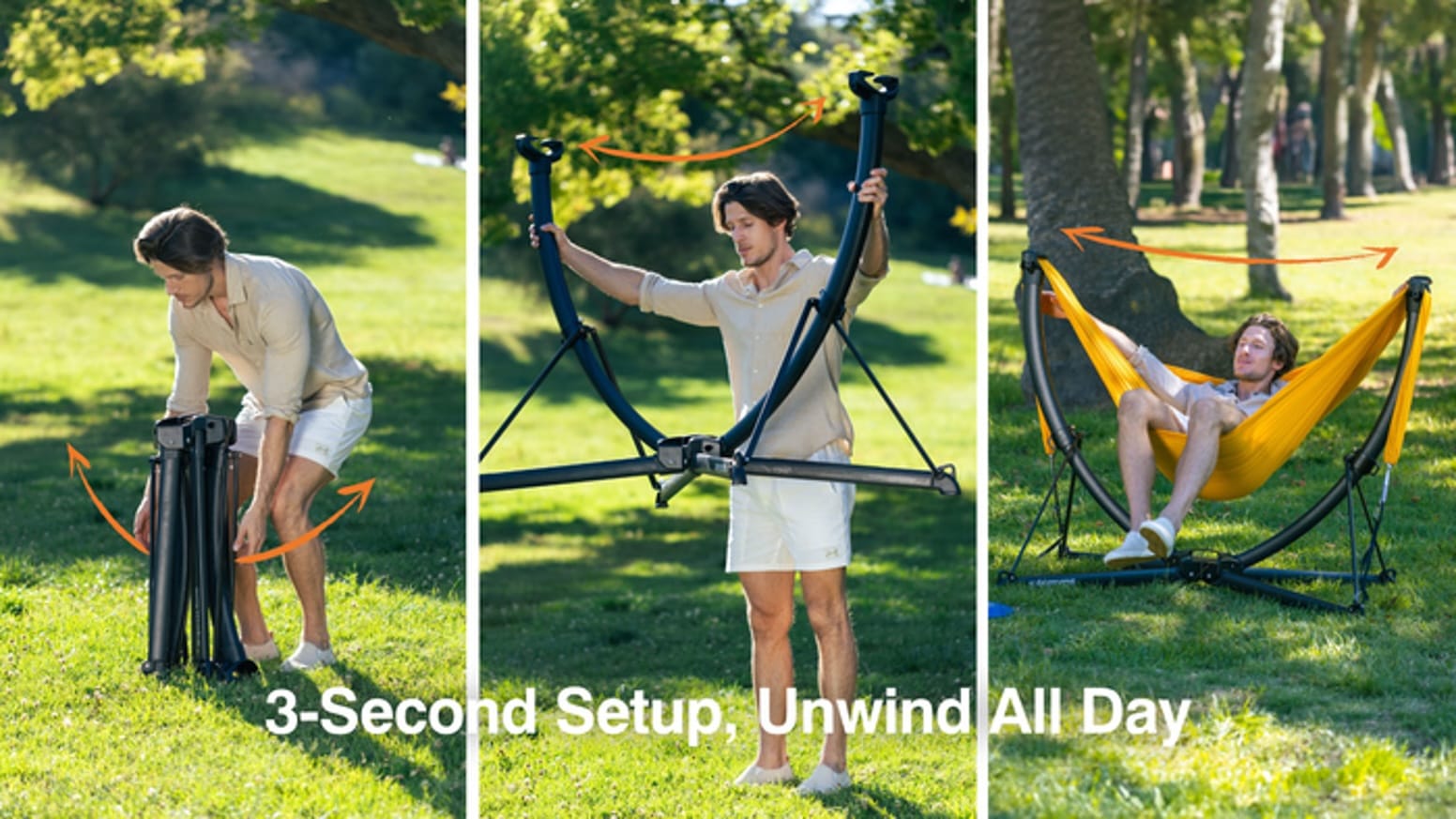
Andriy Zvir: Another one we're proud of is Anymaka, a portable hammock with a stand you can set up almost anywhere in minutes. Our goal wasn't to explain the product. It was to make people feel it. We built short, relatable scenes where you immediately think: I'd take that camping. I'd take that to watch a meteor shower.
Two Anymaka campaigns, each raising over $1M on Kickstarter. The story worked because it wasn't really about a hammock. It was about giving yourself permission to stop.
Can you walk us through your process of helping a brand launch a project? Someone comes to you with a great product but they're not sure how to market it. Where do you go from there?
Oleg: The first thing we ask is: send us the product physically. Not a deck, not a PDF, the actual object, to our office. Because the moment you hold it, you either feel it or you don't. And if someone on the team falls in love with it, that's where real creative work begins.
Then we run a design session with the client. Not a formal call, but a working session where we hold the product together and ask: what's the one moment in someone's day where this genuinely changes things? How do we show that to a stranger who has just a few seconds of attention?
Andriy: From there it becomes detailed preparation: visual style, storyboard, casting, locations, music. Every step is approved with the client before we ever touch a camera. That discipline protects everyone. It prevents chaos on shoot day and keeps the budget where it belongs.
Production itself often means coordinating across three time zones at once, approving shots with clients in China while managing crews in Europe and the US. And after the shoot, we're still present during pre-launch, making real-time adjustments so the content hits hardest when it matters most.
From brief to final file: 30 to 40 days on average. Our clients, especially from China, say that speed is one of the main reasons they return. In competitive markets, launching fast is just as important as launching well.
You've worked on a number of successful Kickstarter campaigns. You already mentioned a couple. Can you discuss some others and offer tips for what helped make them so successful?
Andriy: We now have six campaigns that have each raised over $1M on Kickstarter. Looking across all of them, the pattern is consistent: a product people genuinely need, a clear sense of who it's for, and visual communication that respects the audience's intelligence.
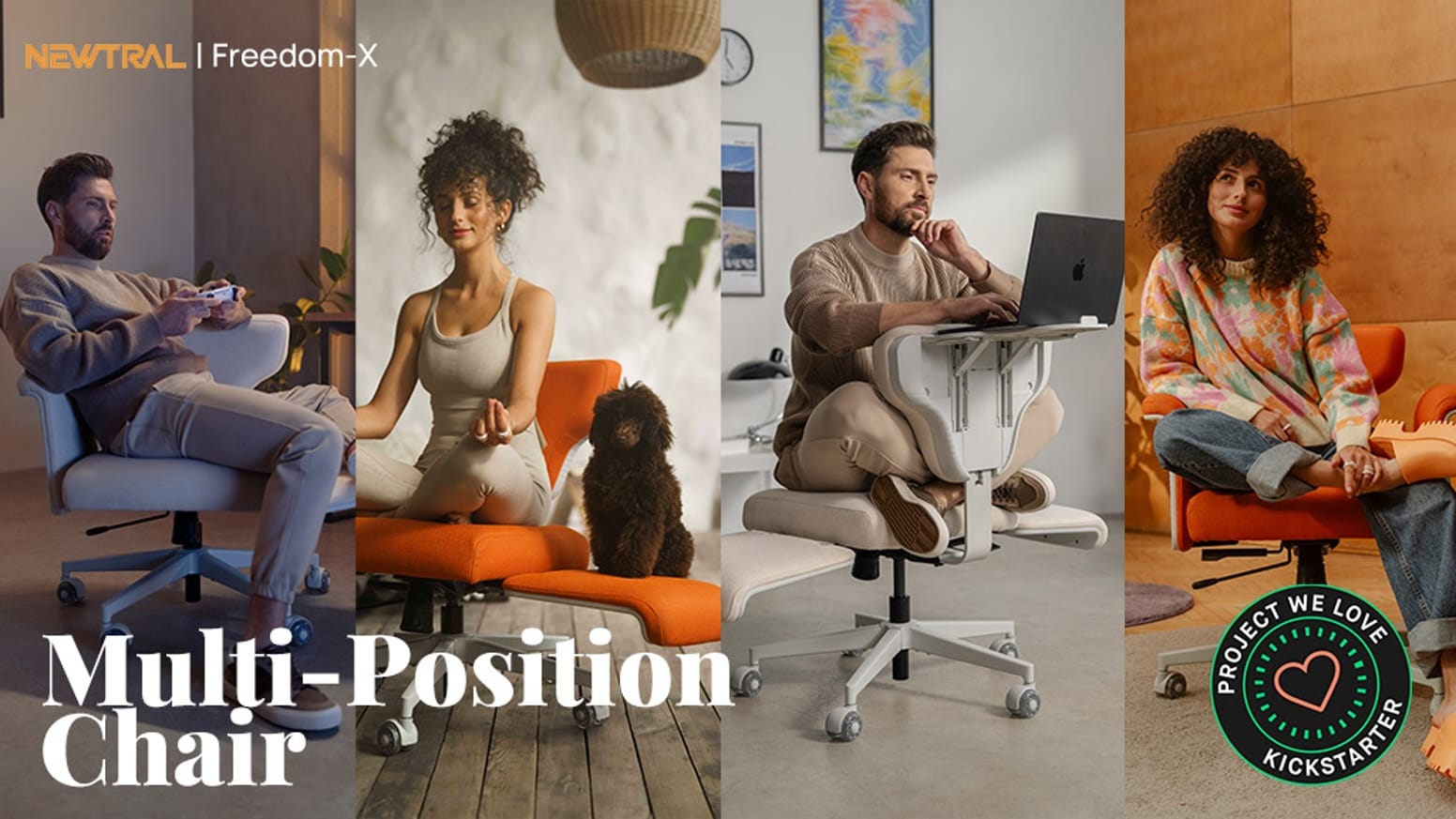
Newtral Freedom-X is a good example. It's a multi-position chair that raised over $1.5M and brought in 5,659 backers. We didn't sell the ergonomics. We sold the feeling of being stuck in one position all day, and then showed what life looks like when that problem disappears. Dynamic cinematography, active camera movement, everything reinforcing the same message: freedom to move.
Oleg: To add to that: We don't run campaigns. We create the content that determines whether someone stops on the page or scrolls past. Video, photography, 3D, everything the potential backer sees.
Content isn't packaging. It's an argument. It either persuades or it doesn't. Only 0.14% of Kickstarter campaigns ever reach $1 million. That number puts it in perspective, and it's why the content decision is one of the most consequential choices a founder makes before launch.
Respect the Kickstarter community. These people have seen thousands of campaigns. They sense inauthenticity in seconds. Don't exaggerate. Don't promise what the product can't deliver. Honesty tends to convert better than any marketing trick, because this community was built on trust between real people with real ideas.
What would be a couple of your biggest suggestions for anyone launching a new Kickstarter campaign?
Oleg: First: show a moment from real life, not a product and its specs. The difference is simple. Here's a situation you recognize, here's what it looks like without our product, here's what it looks like with it. That's what makes someone stop and think: this is about me. People don't buy technology. They buy a version of their life where the problem is solved.
Second: Respect the Kickstarter community. These people have seen thousands of campaigns. They sense inauthenticity in seconds. Don't exaggerate. Don't promise what the product can't deliver. Honesty tends to convert better than any marketing trick, because this community was built on trust between real people with real ideas.
Andriy: On the execution side: don't try to say everything at once. A well-structured mix of video, photography, GIF animation, and 3D renders, where each element serves the story, is far more effective than cramming every feature into one piece of content. One strong idea, clearly communicated, beats ten competing messages every time.
 Kickstarter
I also imagine some campaigns are tougher than others. What do you do if you're creatively or logistically stuck?
Oleg: After eight years, we've learned that most problems on a shoot are preparation problems in disguise.
Early on, a client sent us a prototype that shut down every three minutes on set. First take, off. Second, off. Third too. Time, money, nerves, everyone losing patience. After that, we brought an engineer onto the team whose entire job is to prepare every product before cameras roll. He tests everything, stress-tests under real shoot conditions. Since then, that category of crisis simply doesn't happen anymore.
When we hit a creative block, we stop looking at the product and go back to the person who will use it. We ask: what was this person doing five minutes before they ever saw this product? What's actually bothering them today? That question almost always opens a door.
Andriy: Sometimes the challenge isn't logistical, it's misalignment. A client comes in with a reference from a major brand and wants to recreate that approach for a completely different product category. Or their expectations simply don't match the budget.
In those cases, the most important thing is identifying the mismatch early and having the confidence to propose a different path. There's always another way to communicate the same core strengths, one that's more honest to the product, the audience, and the reality of what's possible. The worst thing you can do is stay locked to a plan that clearly isn't working.
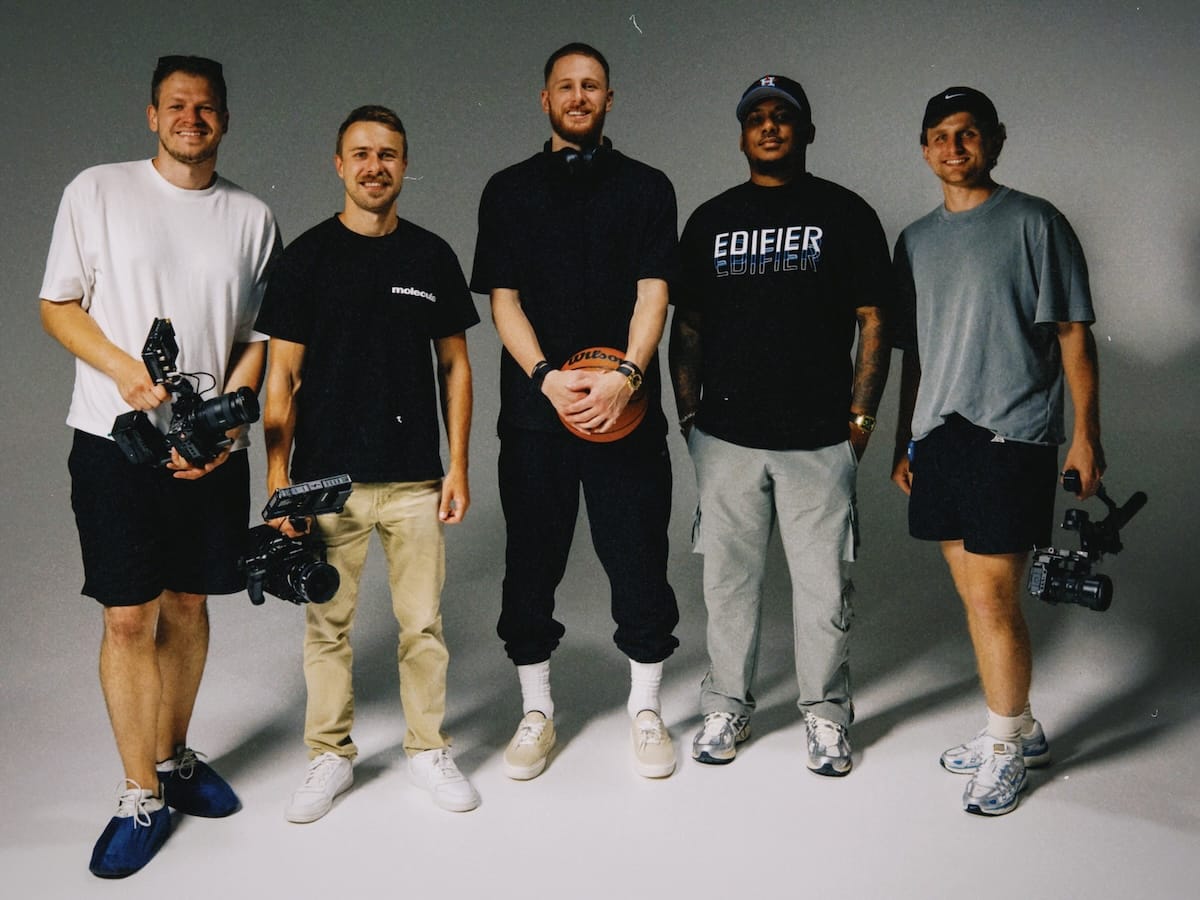
For the kind of work that you do, what are the most valuable resources?
Andriy: It's always people. Trust, professionalism, communication. Production is a high-pressure environment: unexpected weather, prototype failures, last-minute changes. The people you move through those situations with are often what determines whether the project succeeds or falls apart.
Oleg: We learned this in the most concrete way possible. During COVID, when everything stopped, we started writing to people on LinkedIn one by one, and we found partners in China who needed exactly what we could offer. That period of building relationships under pressure gave us connections that are still central to our work today.
The agencies we met then are the same ones who later brought us our first million-dollar campaigns. When the world reopened and everyone was trying to rebuild from scratch, we already had a foundation. That's what relationships built in hard times are worth.
What do you get out of this work? What's it taught you about yourself?
Oleg: The most satisfying moment is when a product launches and finds its people. Every founder we work with has been living with their idea for years, sometimes betting everything on it. We have 90 seconds to help them bring that idea to strangers around the world. That's a real responsibility, and it feels that way every single time.
This work also taught me something I didn't expect: the scale of relationships has nothing to do with geography. We're a studio that grew out of Ukraine, and we're known and recommended in Hong Kong, Los Angeles, New York, Shenzhen. When you realize that, it genuinely shifts how you see your own work.
Andriy: For me, it's that moment when something we held as a rough prototype a few months earlier comes to market fully realized, and thousands of people choose to back it. That feeling doesn't get old.
What the work has taught me is that taste alone isn't enough. You need discipline, speed, and the ability to make clear decisions under pressure. Good instincts only take you so far. The structure is what turns them into results.
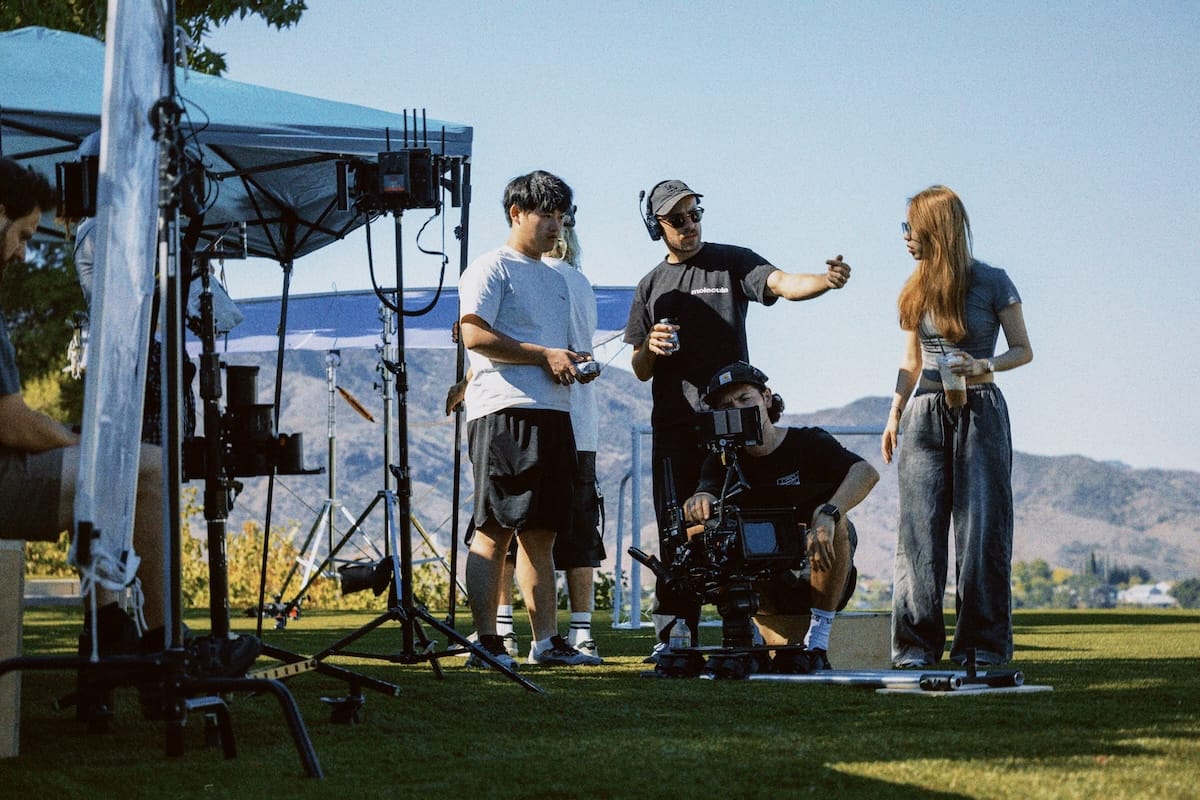
What path led you to where you are today? What's been the most surprising thing you've realized along the way?
Oleg: We started as two people doing everything ourselves: shooting, editing, answering emails at two in the morning. Small projects, then bigger ones. Then a team. Then two teams on two continents.
The biggest surprise has been how much the important things happen off-plan. Andriy's move to the US wasn't a strategic decision from a slide deck. It just made sense at the time. But it gave us something almost no competitor has: in-house teams in LA and in Europe, working from the same creative foundation. A client gets authentic American content and European production quality in a single project, from one studio. That combination is genuinely rare.
It doesn't matter how innovative the product is. If people don't understand it fast, the story doesn't work. Every time we've tried to be clever instead of clear, clear wins.
Andriy: Eight years ago we made our first Kickstarter project, almost as an experiment, and it opened a door we didn't know existed. Over 200 campaigns later, a lot of unplanned things have happened. The ability to adapt quickly is what carried us through every one of them.
The most surprising realization? How much clarity wins. It doesn't matter how innovative the product is. If people don't understand it fast, the story doesn't work. Every time we've tried to be clever instead of clear, clear wins.
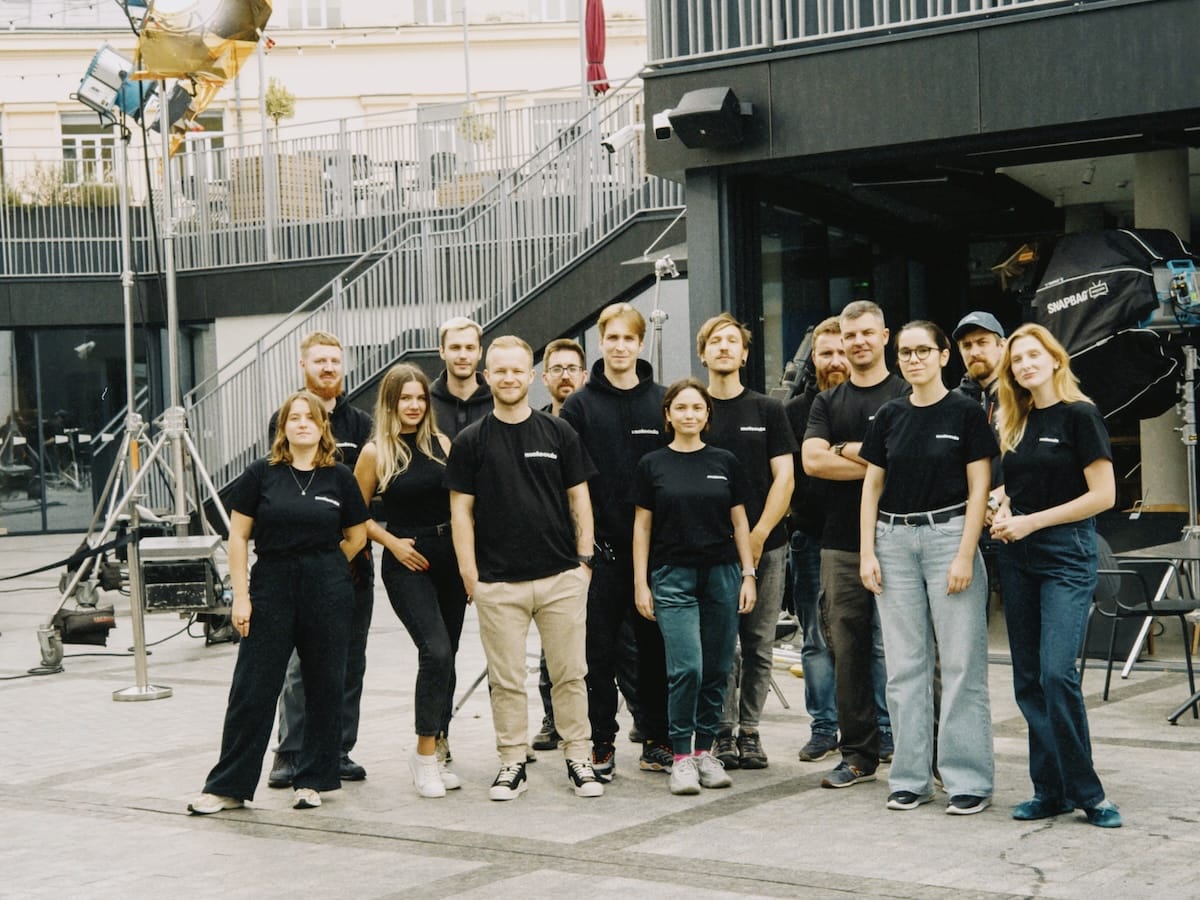
What does success look like to you?
Oleg: Success is when the client comes back.
We have brands we've worked with across ten or more campaigns, different products, different markets, different formats, but the same team they keep choosing to trust. Each new project from a returning client isn't just another order. It's confirmation that something in the relationship is real.
That's our metric. Not views, not a line in the portfolio. Trust.
Andriy: For me it starts with the client's result: when the campaign funds fast, lands in "Projects We Love," raises beyond what anyone expected. That's the visible part, and it matters.
But what stays with me is more personal: knowing that an idea someone spent years building is now in the hands of people who actually needed it. We're one part of that, maybe a small part. But it's ours, and we take it seriously.
