
The Marketing Engine Behind Kickstarter's Biggest Campaign
How did EufyMake reach $46M? Meet the team behind the strategy. Global OneClick doesn't build the products—they make sure the world sees them, turning ideas into mega hits.

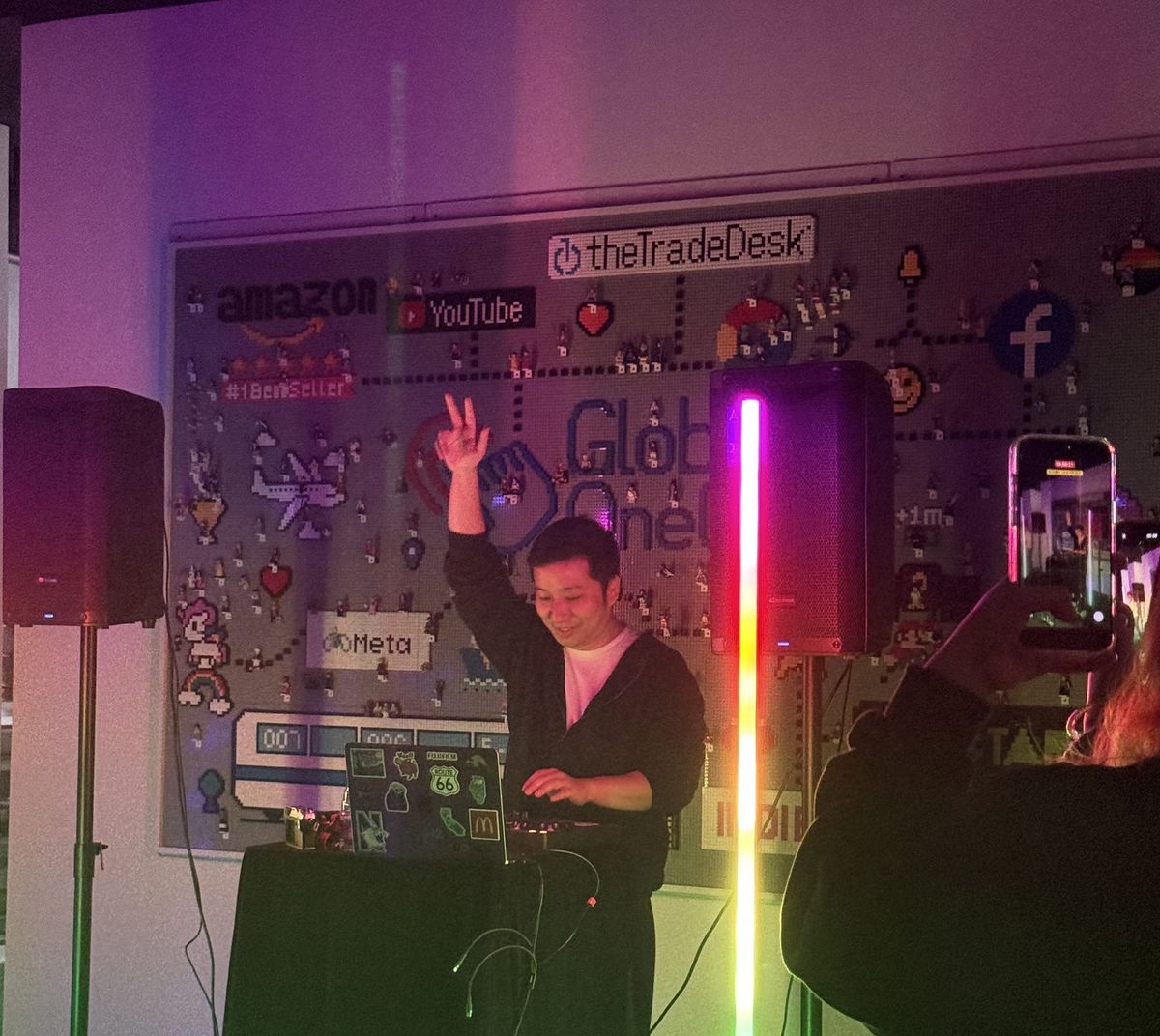
Global OneClick is, among other things, the marketing company behind EufyMake, which in 2025 became the most-funded crowdfunding campaign ever.
There's a lot that goes into any project, especially one that's so successful. GOC, of course, has worked on many other hugely successful projects, too—like Lymow, oladance, Plaud, Bambu Lab, and EcoFlow. That level of success isn’t accidental.
We asked the company's founders, Wanyao Yi, Cindy Liang, and Dennis Ding, about how they got started, where they are now, and where they'll go next. They answered the questions as a team.
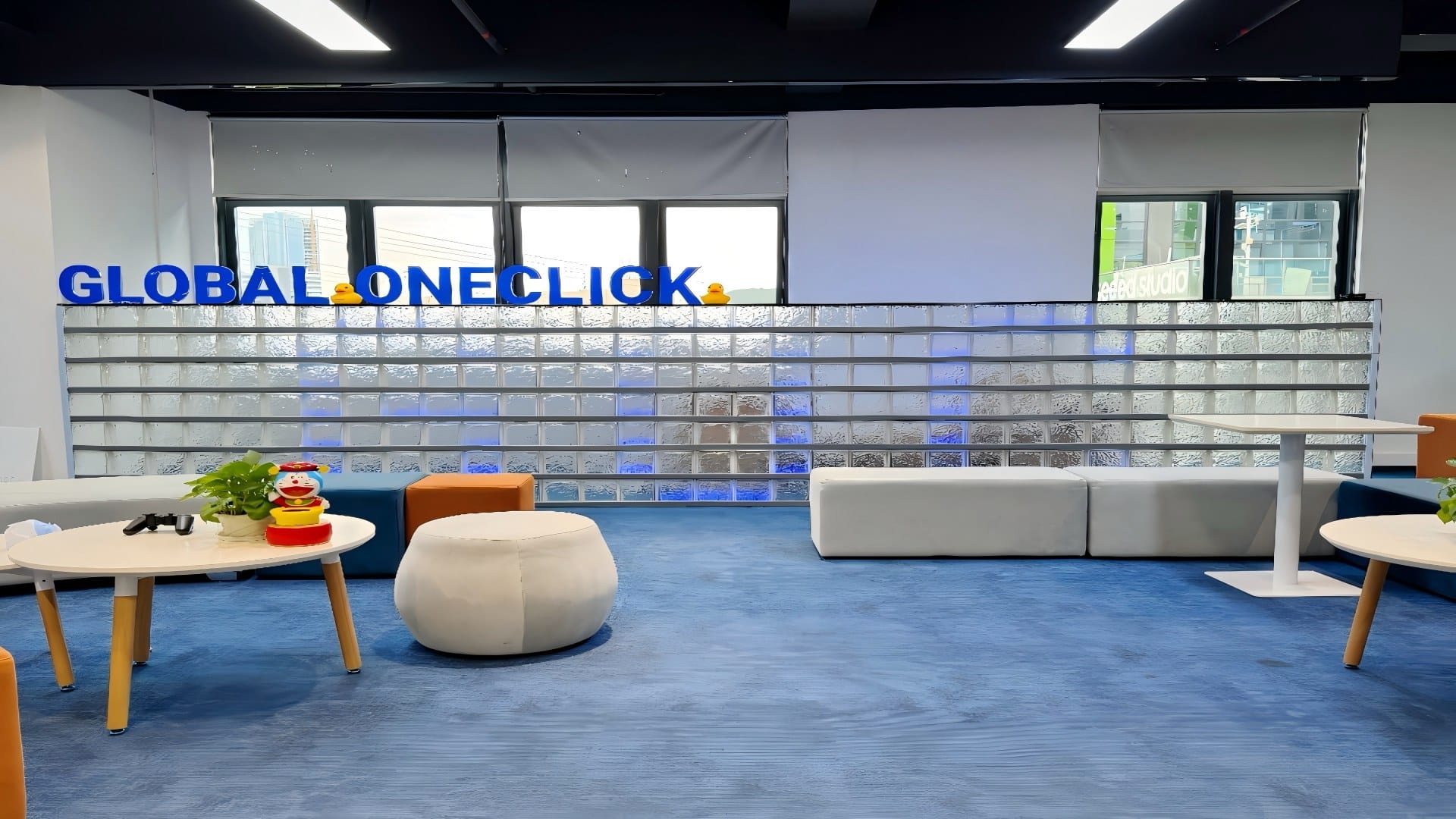
What’s the history of Global OneClick? Where did it start, and what surprised you most along the way?
Global OneClick started when the three of us were at Mobvoi, an AI company where we were responsible for bringing hardware products to global markets. During Mobvoi’s rapid growth—from 0 to 1, and then from 1 to 10—we saw firsthand that brand globalization isn’t really a marketing function. It’s a growth system that connects product readiness, positioning, and market timing.
That experience fundamentally shaped how we think. We realized that the growth logic we had developed there could apply far beyond one company, and could help many strong product teams go global in a more disciplined, repeatable way. That insight is what eventually became Global OneClick.
From the beginning, we never set out to build a traditional marketing agency. Internally, we often described GOC as something closer to an overseas growth council. Our mindset was simple: if a client wanted to reach a million-dollar crowdfunding outcome, our responsibility was to help make that happen. If the data showed it realistically couldn’t be achieved, we would refund the client, because if our clients don’t succeed, there’s no reputation worth building.
Over time, we grew alongside the scale of the projects themselves — from million-dollar campaigns, to ten-million-dollar campaigns, to eventually working on a project that raised over $46 million. As brands matured, we naturally expanded with them. Today, we don’t only work in crowdfunding, but across DTC e-commerce operations, performance marketing, Shopify, and Amazon growth. We see crowdfunding as the starting point of a larger global growth system, not the end goal.
What surprised us most along the way was the impact of AI on how we work. We began investing in AI exploration as early as 2020, but it wasn’t until GPT emerged that we fully understood how dramatically it could change productivity. Today, we scale by adding compute, not headcount. AI handles much of the repetitive cognitive work, which allows even very junior team members to contribute at a level that would have taken years in the past. For the most recent projects, our AI-driven performance ads models have significantly outperformed the ROI of manual optimization ads. That shift fundamentally changed how we think about teams, capability, and what sustainable growth really looks like.
 Kickstarter Staff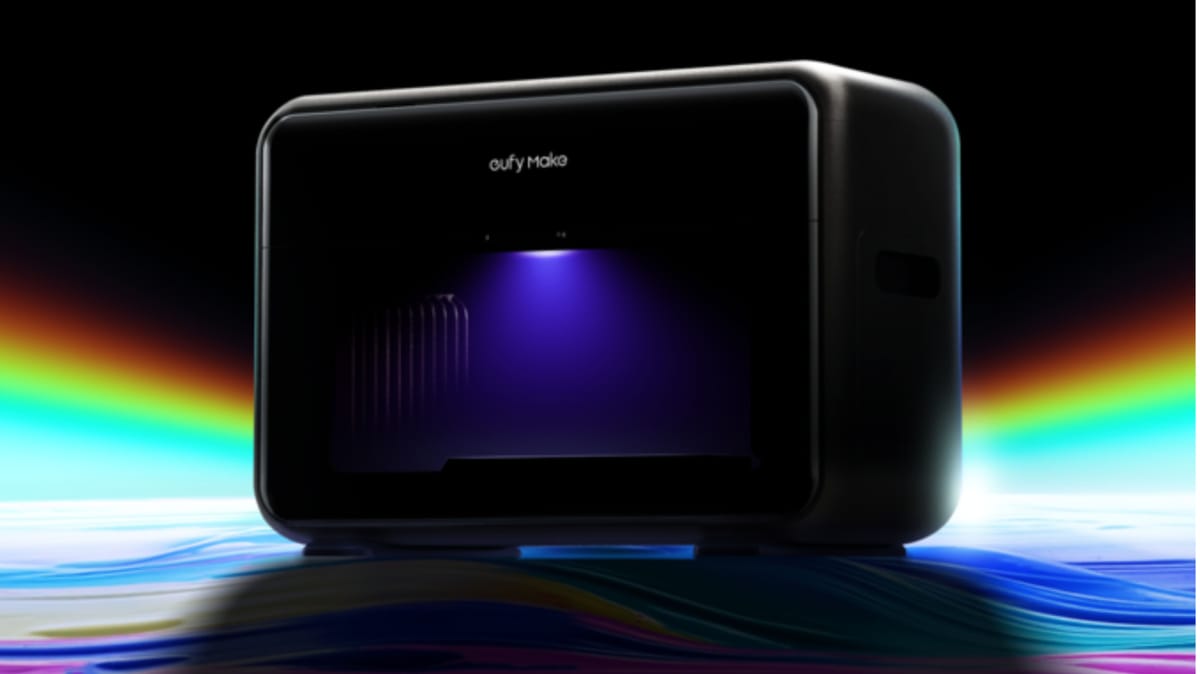
For the kind of work that you do, what are the most valuable resources?
The most valuable resource is meaningful innovation — and the product is where that innovation must ultimately live.
After working through enough real campaigns, one pattern becomes very clear: every project that truly succeeds starts with innovation that actually matters. The product must stand for something new or meaningfully better. Only when that foundation exists do tools, tactics, and systems have real leverage.
In this industry, tools, methodologies, and AI systems are important — and we invest heavily in them — but they function as amplifiers. They amplify what already exists. They cannot create value where there is none. That’s why a large part of our work happens before promotion ever begins. Often, the most important question isn’t “how do we bring this to market,” but “does this innovation genuinely deserve to be brought to market at all?”
If that question isn’t answered clearly, adding more effort later only increases risk — especially in crowdfunding, where fulfillment and long-term trust are inseparable from the launch itself.
This dynamic is even more pronounced on Kickstarter. Backers on the platform are highly sensitive to real innovation and remarkably honest in their response to it. Products with genuine breakthroughs naturally generate momentum and discussion. Products without that substance tend to lose traction quickly, regardless of how much support is placed behind them.
That’s why we consistently put innovation first — not as a slogan, but as a filter. When innovation is real, many downstream decisions become clearer, and the platform delivers what it’s meant to deliver: backers supporting something genuinely new, rather than a well-marketed bubble.
Can you discuss how Kickstarter tools and your execution worked together in the EufyMake project?
During the EufyMake project, we were fortunate to participate in the beta usage of Kickstarter tools such as Pledge Manager. The Kickstarter team was highly responsive throughout the integration process, and the improvements to system flow and post-campaign handling made a meaningful difference for a project of this scale.
In particular, the upgrades around tax handling addressed one of the most complex challenges in large cross-border crowdfunding campaigns. As these systems continue to evolve, we see them becoming a strong foundational layer for brands managing compliance and fulfillment globally.
From our side, GOC’s AI-driven performance system was active throughout the entire campaign lifecycle — from early signal validation, to scaling momentum, to maintaining efficiency as volume increased. Rather than being a tool that only “kicks in” at large numbers, the AI helped guide decision-making at every stage by improving attribution clarity, controlling spend efficiency, and identifying where growth remained healthy versus where it needed restraint.
Once the campaign moved beyond major milestones, the same system helped ensure that growth stayed controlled rather than distorted by scale. AI did not replace human judgment; it acted as an accelerator — enabling the team to make better decisions faster, with more confidence, and with tighter control over efficiency.
Ultimately, the EufyMake project demonstrated how strong product innovation, mature platform tools, and partner execution can work together — not just to reach scale, but to sustain it responsibly.
Why was EufyMake so successful, and what did you learn from it?
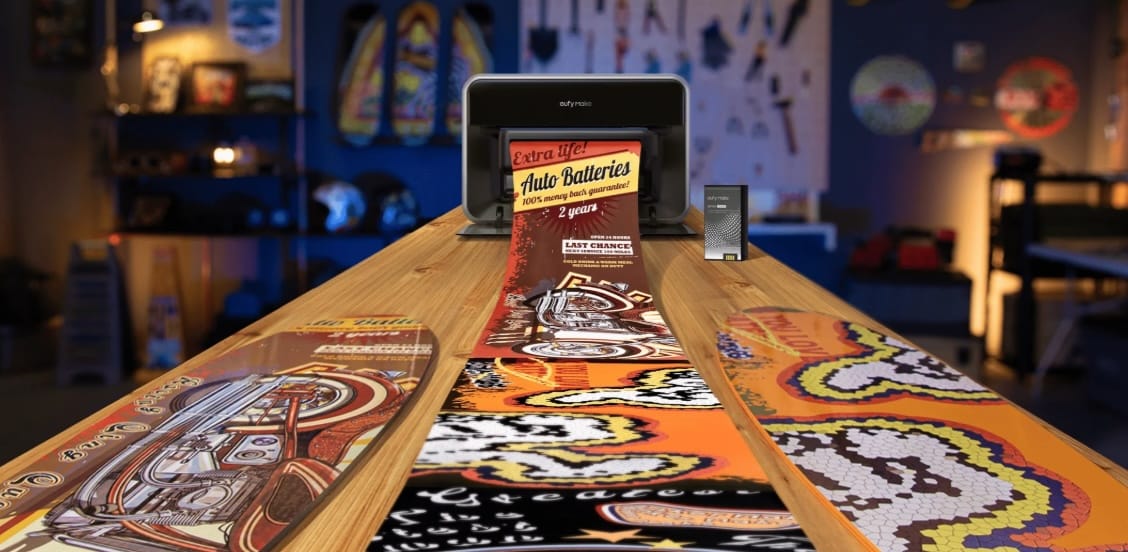
The core reason was simple: the product was truly innovative.
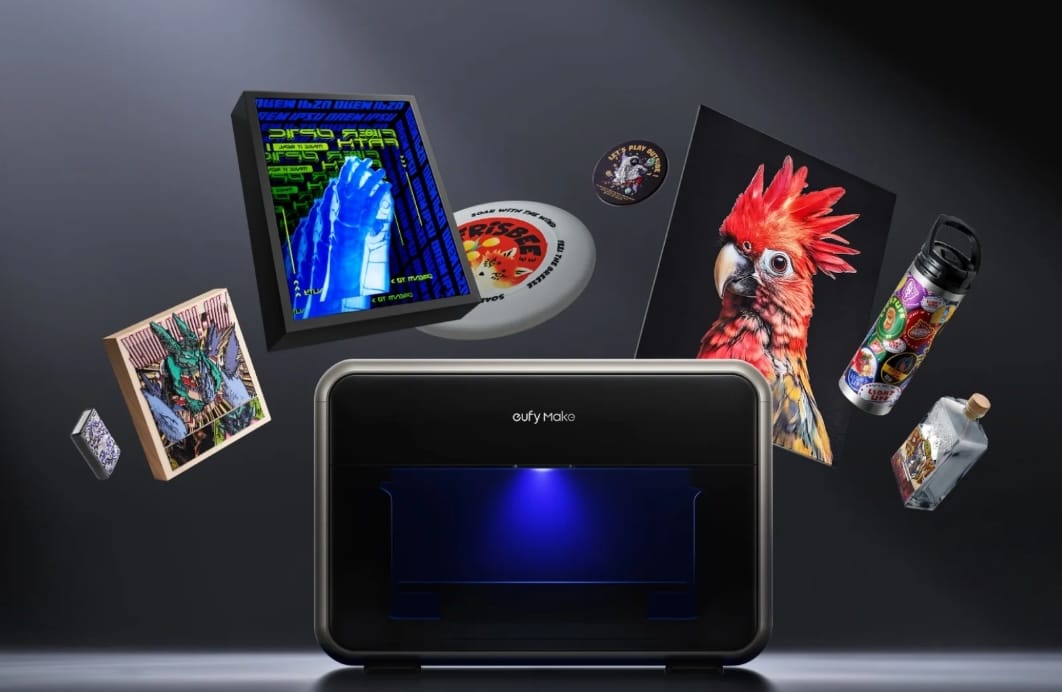
EufyMake took a high-barrier industrial technology — UV printing — and, for the first time, transformed it into something understandable, usable, and desirable for everyday users. The breakthrough was not in flashy specs, but in systematically lowering the barrier: form factor, usability, maintenance, and application were all redesigned.
This kind of “dimensionality-reducing” innovation is exactly what Kickstarter backers respond to.
At the same time, our AI system ensured that growth remained healthy even at a very large scale.
What we learned was that innovative teams like Anker don’t look for service providers — they look for partners who can complement them at critical stages. It also reinforced our belief that AI and growth systems only have real value when the product itself is strong enough to be amplified.
How do you help a brand go from 0 to 1?
We don’t see crowdfunding as a standalone event. We see it as the starting point of a brand’s global DTC journey — connecting crowdfunding, performance marketing, Shopify, and Amazon into one system.
Internally, we follow a simple principle: the product is the “1,” and everything else adds the “0s.” In other words, the product defines the ceiling — execution determines how far you can scale. If the product itself isn’t solid or differentiated, no amount of execution can create a real breakthrough.
Kickstarter plays a special role here because it gathers highly rational, innovation-sensitive users. Their feedback is an extremely powerful form of validation.
We also believe organic momentum matters more than paid traffic. When users begin discussing, sharing, and searching for a product naturally, growth is already happening.
Once a product is validated through crowdfunding, everything that follows becomes easier because the brand is no longer unknown — it has been validated by real users.
The key from 0 to 1 is not speed, but whether the direction has been validated.
What advice would you give to someone launching a Kickstarter campaign?
First, understand who the core users are. Kickstarter backers tend to be rational, tech-oriented, and highly sensitive to real innovation. If the product does not genuinely interest them, growth will be limited.
Second, evaluate innovation honestly. If similar products already exist on Amazon or Shopify, conversion will be harder. Superficial innovation rarely works here.
A common mistake is chasing very high funding numbers. Large numbers can create downstream risks in fulfillment and reputation. Crowdfunding’s real value is not the number itself, but whether it validates the product and creates room for long-term growth.
The recent AWOL launch was so successful, right from the start. I imagine a lot of preparation went into getting it to that point, pre-launch.
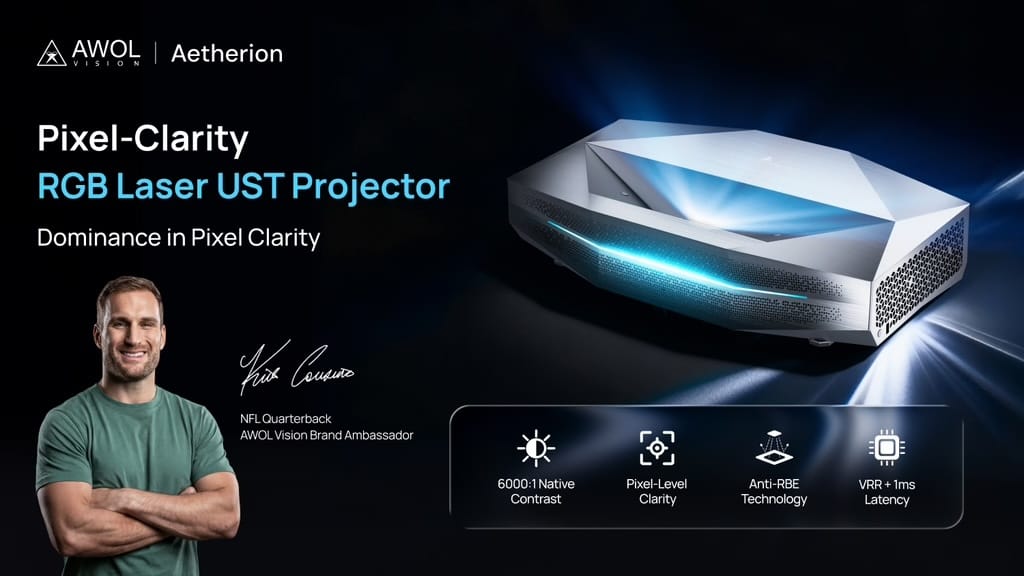
AWOL has definitely been a highlight for us. A few things really moved the needle.
- Product Maturity: AWOL has been in the UST (Ultra Short Throw) sector for a long time. They’ve spent years refining their technology, and they really built out a exceptionally strong product this time around that met the market's high expectations.
- Proven Pedigree: Success leaves clues. The team had already proven themselves as successful creators in the past with their sister brand, Valerion, which established a baseline of trust with the backer community from day one.
- Niche Validation & Active Education: For a high-ticket item like this, we knew the "consideration phase" would be longer. We were very aggressive with pre-launch education—sharing tech specs deeply and providing sufficient proof and materials to build trust. What’s interesting is that this actually goes hand-in-hand with the Kickstarter mission: we found a significant number of people who had never used the platform before, but they were clearly looking for this specific kind of innovation. By walking them through the process and dispelling concerns about crowdfunding, we ensured they felt confident enough to back the project in the first 24 hours. It really proves that the Kickstarter model still resonates deeply when you provide that clear roadmap for new users.
- Price-to-Tech Ratio: While the product is premium, its pricing relative to comparable high-end UST technology on the market represented a massive value gap. We made sure this "tech-for-value" proposition was the core hook in our early messaging.
- AI-Driven Acquisition: This was a major pillar of our performance strategy. In fact, at least 40% of our pre-launch lead acquisition budget was funneled through our AI tools. This allowed us to bypass generic audiences and specifically acquire the most relevant users based on first-party data, ensuring the momentum was already at a boiling point before we ever went live.
It really highlights how much "pre-heat" matters for these larger-scale projects. By the time we pressed "Live," the audience wasn't just interested—they were educated, qualified, and ready to act.
How do you handle difficult projects or bottlenecks?
One common challenge is when a product prototype is not ready for influencer review. Influencer PR is important, but only when the product is truly ready.
In these situations, we don’t push. We wait with the client — sometimes for months — until the product is genuinely ready. This may look slow, but it prevents long-term damage and builds trust. It also ensures responsibility to backers by increasing the likelihood of successful fulfillment.
What has this work taught you about yourself?
The most direct feeling is a long-term sense of fulfillment.
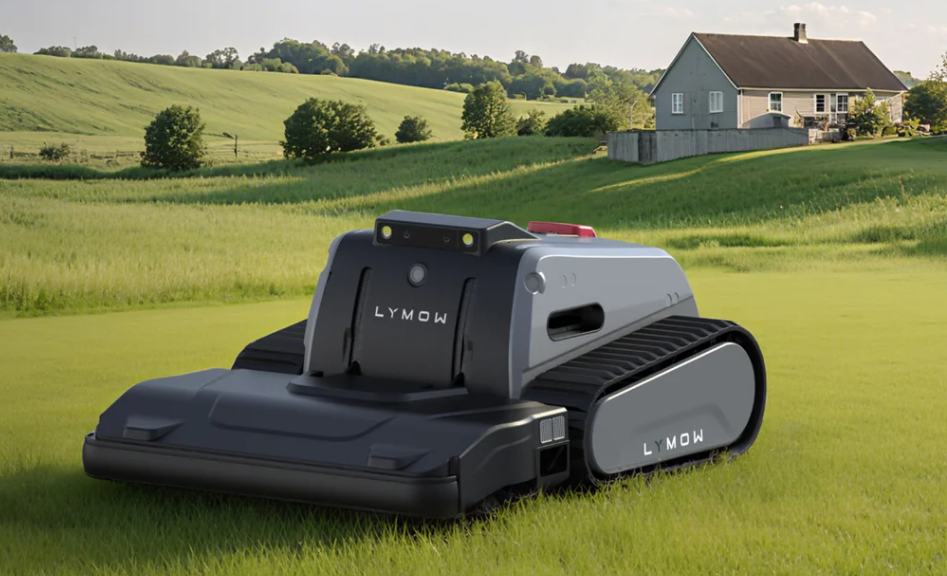
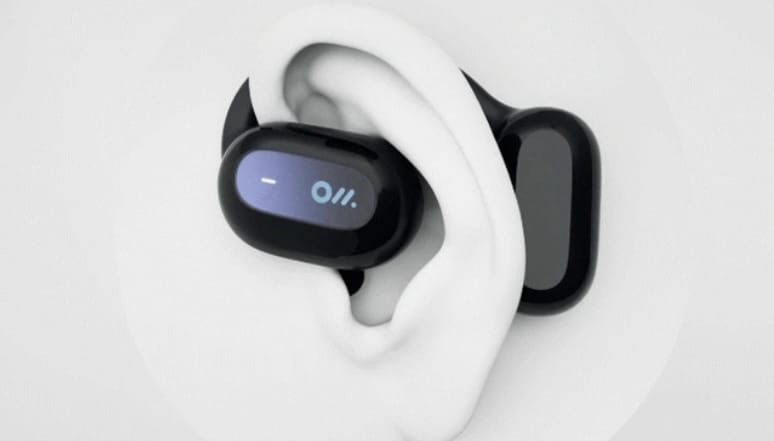
We’ve had the chance to work with companies like Bambu Lab, EcoFlow, Lymow, Plaud, and oladance when they were still small, helping them validate products and accelerate innovation. Some of them later grew into very large companies. But what matters most to us is that we were involved when things were still uncertain — when teams were still exploring, testing, and figuring things out.
Especially in fields like AI hardware, where paths are unclear, and the cost of trial and error is high, being able to grow alongside these teams is incredibly meaningful.
Over time, we’ve come to believe that the essence of business is differentiation, and innovation is what creates that differentiation. Skills can be copied. Resources can be copied. Continuous innovation cannot.
What can someone learn from failure?
Failure is almost unavoidable when you are exploring new territory. We actually encourage it internally.
What matters is learning quickly and avoiding repeating the same mistake. We keep what we call a “Stop Doing List” — when something proves ineffective, we stop fast rather than forcing it.
Failure’s greatest value is that it sharpens judgment. If one failure makes the next decision clearer, it has already served its purpose.
 Jessica Hopper
What does success look like to you?
We often say internally: who you walk with is more important than how far you go.
At this stage, success is not just scale or numbers. It’s about whether we can continue doing meaningful work with people we trust, over a long period of time.
As time goes on, accumulated trust becomes more valuable than any metric. If you look across a long enough timeline, what really remains are the relationships you’ve built and the meaningful work you’ve done together.
That, to us, is success.
