Partner Case Study: Meet the Digital Agency that Prioritizes Offline Experiences, Too
The international marketing agency, Longham, has never approached crowdfunding as a conventional digital marketing service.

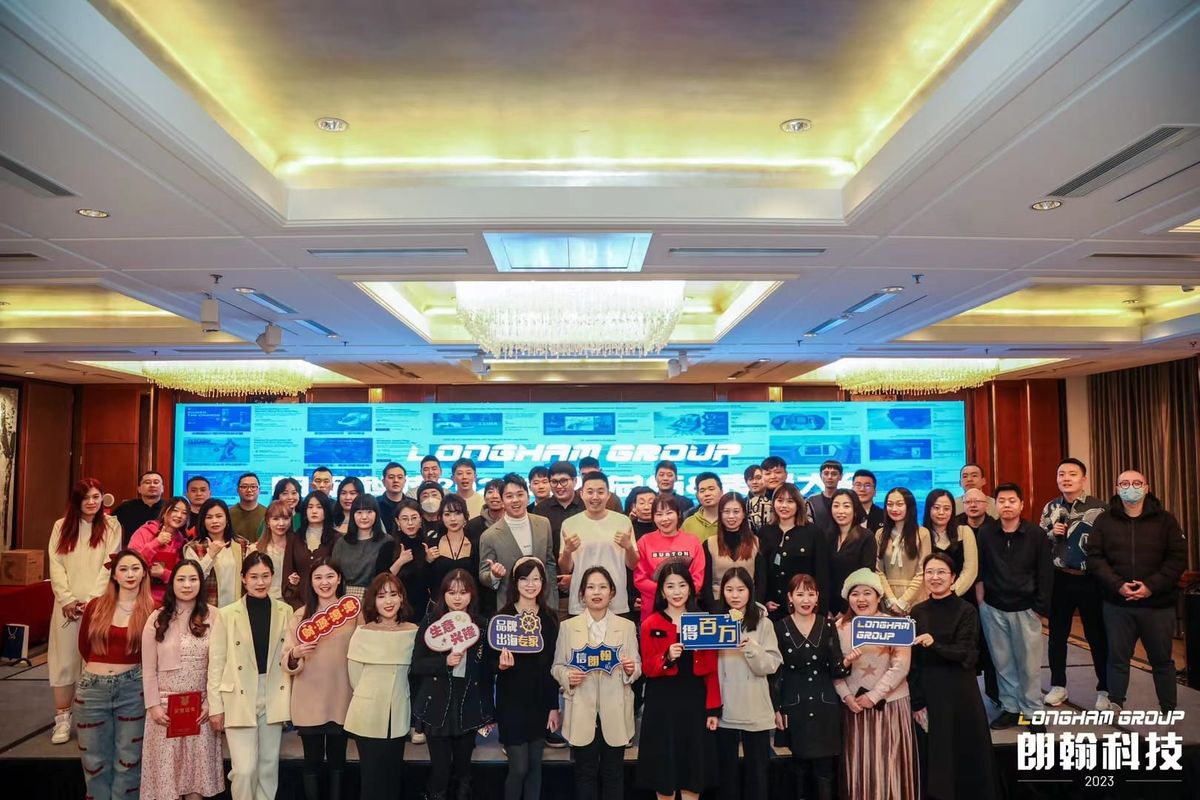
Founded in 2017, Longham is one-stop marketing agency based Beijing and Shenzhen, China, as well as Los Angeles and New York. They've since worked, across categories on a number of large-scale, record-breaking Kickstarter projects, like Snapmaker 3-D printer and XGIMI laser projector to the Timemore coffeemaker and Mammotion lawn mower.
Additionally, Longham opened their own physical spaces, INNOStudio and INNO100, and prioritize in-person meetings and gatherings as core to their overall philosophy of "treating crowdfunding as community building, not just fundraising."
Inspired by Longham's trajectory and analog-meets-digital approach, we asked co-founder Wenhan (Wayne) Zhang some questions about his company's past, present, and future.

Could you walk us through Longham’s history and founding story? What key milestones or experiences shaped the agency to where it is today?
Longham was founded in Beijing in 2017 by my co-founder, Runlong (Baron) Wang, and myself, Wenhan (Wayne) Zhang. Since then, we’ve expanded into Shenzhen, Los Angeles, and New York, growing into a global go-to-market partner for technology creators and consumer innovation brands.
What shaped Longham most in the early days was our perspective on the market. Many of us had studied and worked across North America and Europe, so from day one, we looked at products not just through a manufacturing lens, but through the lens of user behavior, culture, and how innovation fits into everyday life.
Baron came from a marketing background, while I studied computer engineering. That combination became the DNA of Longham. He brought expertise in brand communication and consumer psychology, while I brought a deep interest in hardware itself. I was already an active Kickstarter backer before Longham existed.
Longham was never built as a conventional marketing agency. It was built at the intersection of marketing logic and hardware intuition. We understand how creators think when they are trying to launch something meaningful, and how backers think when deciding whether something is worth believing in.
Why did you choose to start an agency business, specifically in crowdfunding and global DTC marketing? What gap in the market were you trying to fill?
We built Longham around crowdfunding and global DTC marketing because we saw consumer technology entering a new era.
For years, many brands treated global commerce as a distribution problem: manufacture a functional product, put it online, and compete on efficiency. But as online shopping matured, consumers began looking for products that felt more distinctive, innovative, and emotionally resonant.
That creates a very different challenge for founders. You are no longer just selling a device. You are asking users to trust your vision.
For technology hardware, Kickstarter is one of the best environments to build that trust. Hardware founders need a place to validate demand, test pricing, build community, and educate the market before committing fully to production.
We saw a gap where many technology founders had extraordinary engineering capability but lacked the systems needed to translate innovation into market conviction. Longham was built to become that bridge.
Can you walk us through your process of helping a brand launch a project?
The first thing we do is challenge a very common assumption: a great product does not automatically make a great Kickstarter campaign.
Crowdfunding is a trust-building process that requires the right product, audience, and timing.
That is why our client selection process is extremely disciplined. In a typical year, we speak with roughly 500 to 700 teams, but only work with around 30 of them. More than half of the campaigns we launch cross the seven-figure mark.
Crowdfunding is a trust-building process that requires the right product, audience, and timing.
Our process always begins with strategic diagnosis. Before discussing ads or PR, we evaluate whether the product is truly suited for crowdfunding. Is there a clear user pain point? Is the innovation easy to demonstrate? Is the pricing compelling? Is the team operationally prepared to deliver?
Once that foundation is validated, we move into the full go-to-market strategy: message refinement, pricing validation, pre-launch list building, creator partnerships, media sequencing, and launch-day conversion planning.
What makes our approach different is that we never treat this as a one-size-fits-all process. A 3D printer enthusiast and a premium coffee user make decisions for completely different reasons.
Our job is to understand those trust triggers and build the shortest path from curiosity to conviction.
You’ve worked on a number of successful Kickstarter campaigns. Can you discuss a couple of these and offer some tips for what helped make them successful?
We’ve worked with brands across many categories from Timemore and Tokit to UGREEN, Snapmaker, Mammotion, Segway, XGIMI, and INMO.
One thing these campaigns taught us is that there is no universal formula for crowdfunding success.
crowdfunding is not about going broad. It is about going deep enough that trust forms before launch day.
Many teams treat Kickstarter like a checklist: produce a video, run ads, hire influencers, and expect the campaign to scale. In reality, every category has its own purchase psychology.
For some products, users are buying technical superiority. For others, they are buying convenience, lifestyle transformation, or early adopter identity.
We do not start by asking, “How should we market this product?” We start by asking, “Why would this specific audience care enough to support this product months before delivery?”
Because crowdfunding is not about going broad. It is about going deep enough that trust forms before launch day.
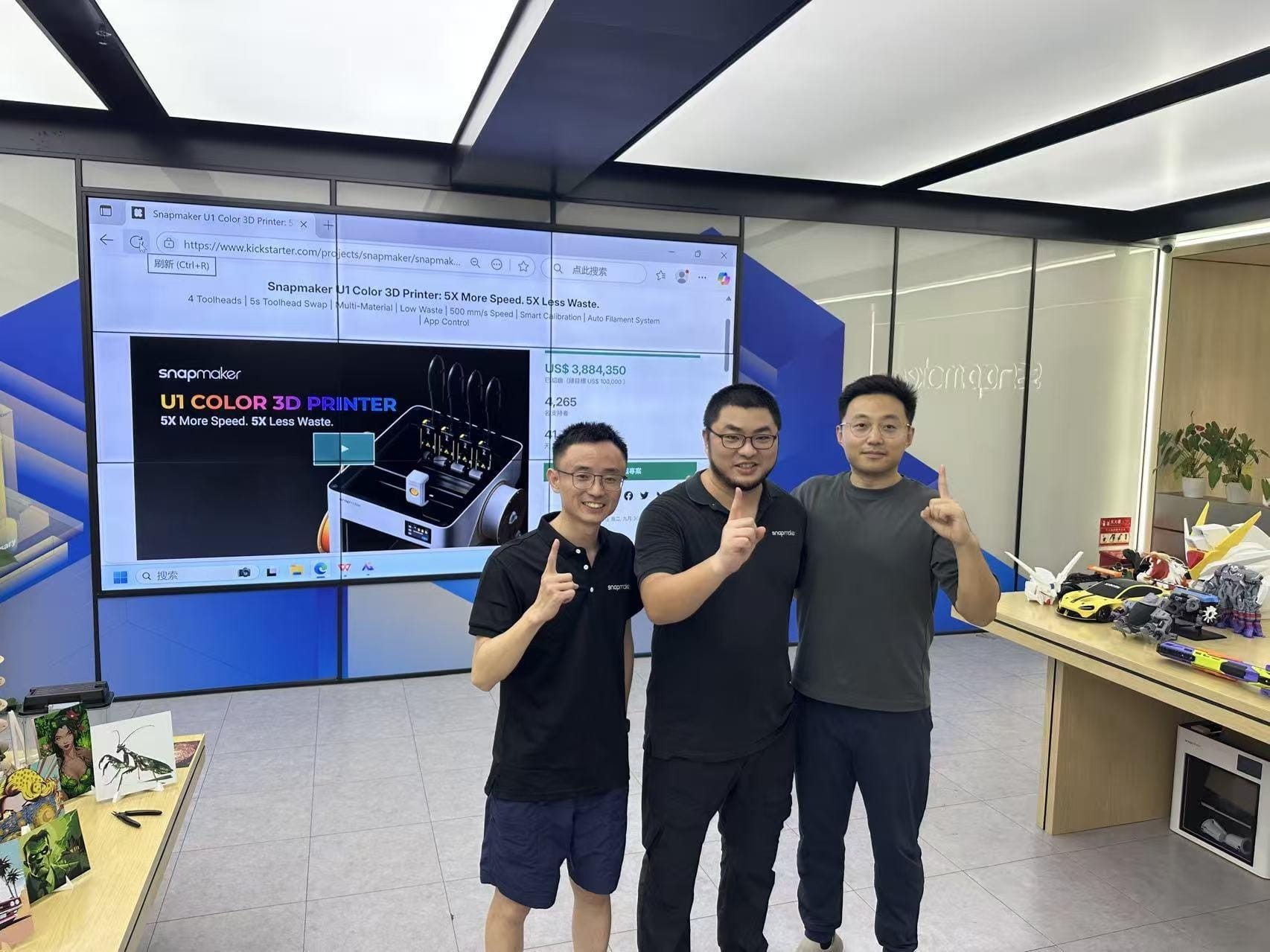
Can you speak specifically to your work with Snapmaker on Kickstarter?
Snapmaker U1 was special because it combined exceptionally strong product-market fit with disciplined execution.
During pre-launch validation, we ran extensive testing across the maker community. The three core differentiators that Snapmaker U1 offered scored unusually high with users, which told us this was not just a good product, but one solving major unmet frustrations.
At that point, our strategy became clear: convert excitement into commitment before launch day.
Rather than relying only on email signups, we built an aggressive pre-launch reservation system designed to identify high-intent buyers and lock in momentum early.
That decision proved critical. Within less than 60 hours of launch, Snapmaker U1 crossed $10 million.
In many ways, U1 became a massive campaign because we were never treating it as just an online crowdfunding page. We treated it as a synchronized trust-building system.
But paid conversion was only one layer of the strategy. We also positioned U1 as part of a broader maker ecosystem through collaborations with software tools, material partners, and creator resources. We ran broad beta testing programs that invited both legacy Snapmaker users and highly targeted users from competing enthusiast communities.
Those beta users later became some of the campaign’s strongest organic advocates across forums, Reddit, Discord, and maker communities.
In many ways, U1 became a massive campaign because we were never treating it as just an online crowdfunding page. We treated it as a synchronized trust-building system.
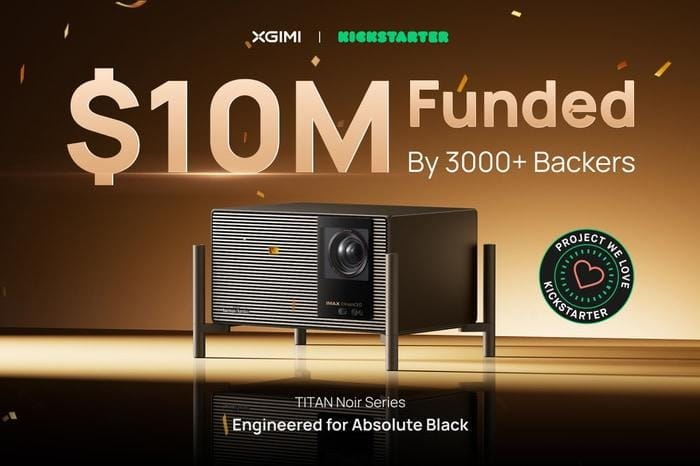
XGIMI’s laser projector campaign quickly made Kickstarter history. Can you share the strategy behind that success?
By Kickstarter’s benchmarks, the XGIMI launch became the fastest project in Kickstarter history to reach both the $1 million and $2 million funding milestones.
That kind of acceleration does not happen from traffic volume alone. It happens when user confidence has already been built before launch.
XGIMI already had strong engineering credibility, so our challenge was translating that brand strength into immediate crowdfunding conviction within a premium enthusiast audience.
In the high-end home cinema category, users make highly technical, specification-driven decisions. That meant our strategy had to focus on eliminating uncertainty at scale.
During pre-launch, we validated the performance dimensions projector buyers cared about most: contrast, black levels, color fidelity, and cinematic immersion. The data showed users were waiting for a truly flagship home theater experience.
We worked closely with XGIMI to answer technical questions transparently across enthusiast platforms and ran synchronized AMA sessions, educational onboarding, and launch reminders across broader social channels.
By the time the campaign went live, users were not arriving with unanswered questions. They were arriving with purchase intent.

What would be your biggest suggestions for anyone launching a new Kickstarter campaign?
First: do not confuse product confidence with market readiness.
Many founders spend years refining a product and naturally believe the market will immediately respond. But crowdfunding rewards external conviction, not internal confidence.
Founders must validate whether the value proposition is immediately understandable and emotionally compelling to a specific audience.
Second: your campaign does not start on launch day.
The strongest campaigns enter launch with an audience that has already been educated, segmented, and converted into high-intent users during pre-launch.
Launch day should not be the first time users are hearing about you. It should be the moment pre-built confidence converts into momentum.
Third: treat crowdfunding as community building, not just fundraising.
A successful campaign should create your earliest evangelists, your first feedback loop, and the emotional foundation of your long-term brand.
The best founders use Kickstarter to build believers, not just buyers.
What differentiates Longham from other crowdfunding or marketing agencies?
Longham has never approached crowdfunding as a conventional digital marketing service.
Many agencies are good at buying traffic once a campaign is already defined. But crowdfunding performance is usually won much earlier, at the level of strategic validation, consumer psychology, and trust-system design.
Over the years, we have consistently been early adopters of new methodologies. We built structured pre-launch consumer survey systems as early as 2018 and later developed strategies around Kickstarter’s follower ecosystem and high-intent reservation models.
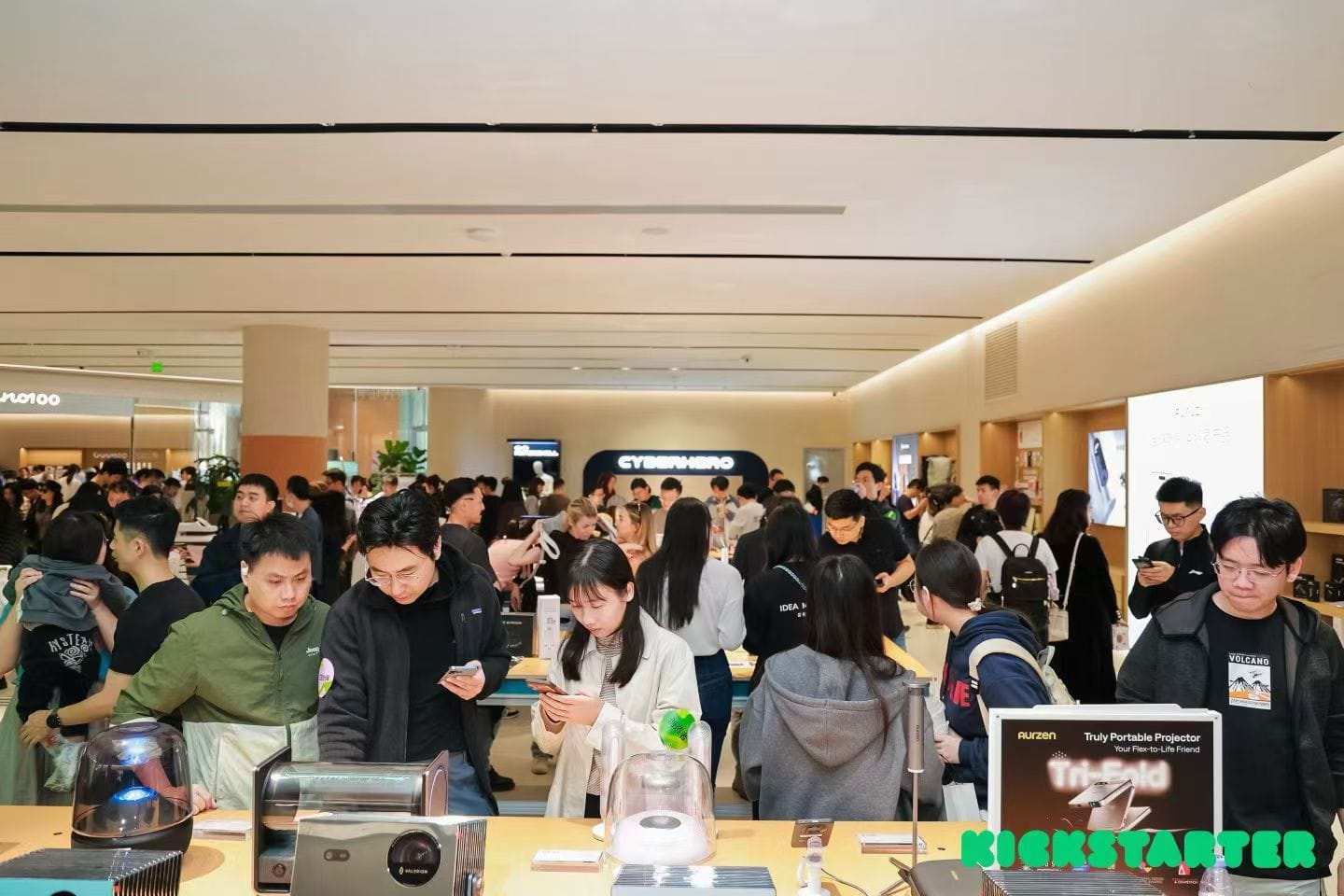
We invest heavily in offline experiences, community events, and real-world product interaction. Many technology products generate curiosity online, but trust increases dramatically when users can physically experience them.
Internally, we also invest heavily in AI-assisted systems to improve lead segmentation, conversion prediction, and paid media optimization.
But technology is only part of the story.
We also invest heavily in offline experiences, community events, and real-world product interaction. Many technology products generate curiosity online, but trust increases dramatically when users can physically experience them.
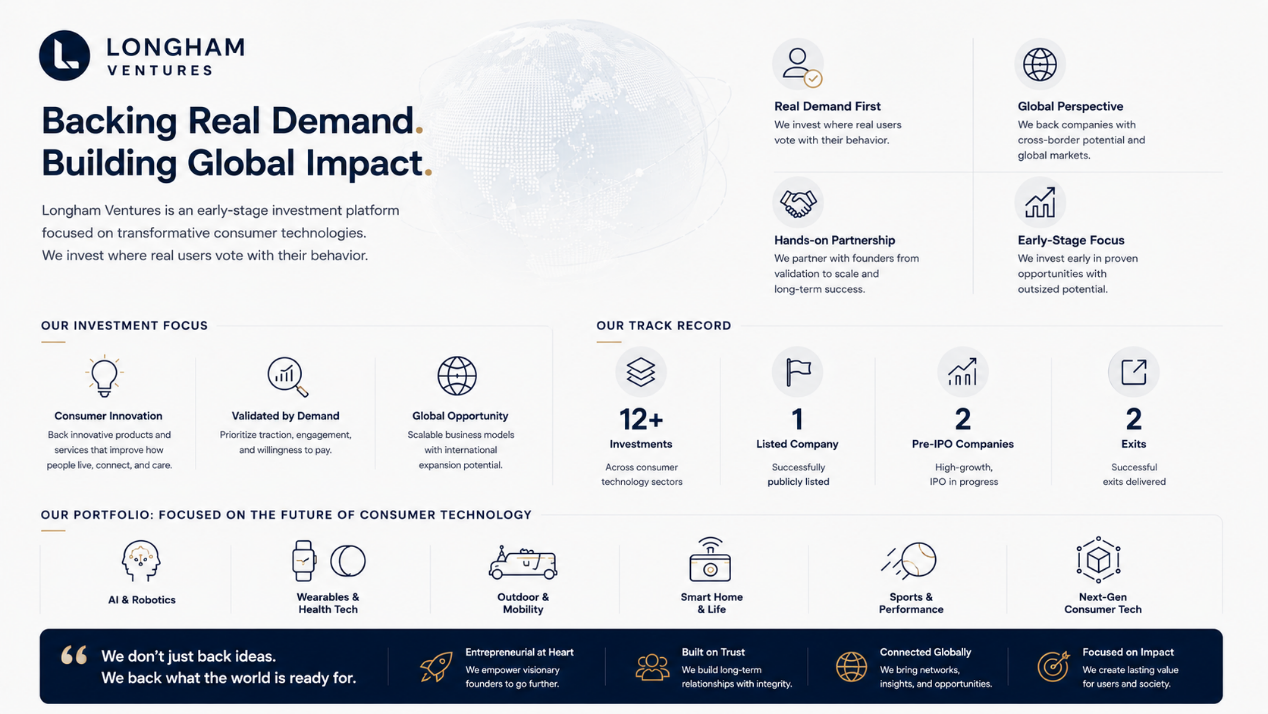
Since 2023, we have also operated our own dedicated technology hardware fund. Longham is increasingly focused not just on helping brands run campaigns, but on helping them win entire growth cycles.
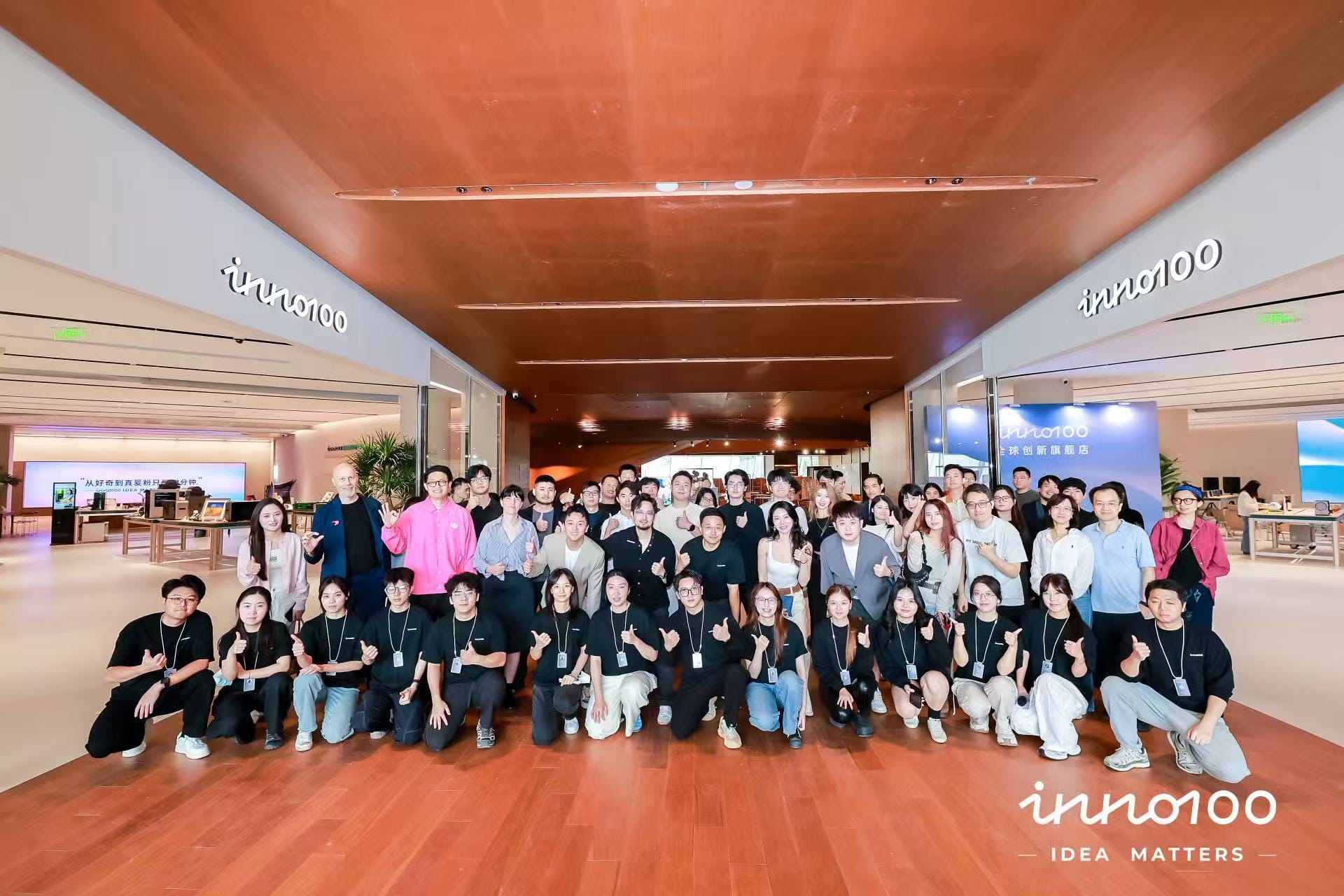

You have physical offline spaces like INNOStudio and INNO100. How do these assets help brands and Kickstarter launches?
INNOStudio began as an experiment in Beverly Hills to validate something we had long suspected: many technology products generate curiosity online, but belief increases dramatically when users can physically experience them.
That insight eventually led to INNO100.
Today, these spaces have become gathering points for hardware enthusiasts, founders, investors, media professionals, and platform stakeholders.
For clients, these spaces create several advantages.
First, they extend the lifecycle of a crowdfunding campaign through live demos, founder meetups, and community events.
Second, they provide direct consumer insight. Online analytics can tell you what users click. Offline interaction tells you what excites them, what confuses them, and where hesitation still exists.
Most importantly, these spaces have transformed our role from a service agency into a connector of founders, users, investors, manufacturing partners, and media.


You also run your own VC fund. How does that change the way you partner with brands?
Launching our technology hardware fund in 2023 changed our perspective significantly.
As an agency business, there is a natural ceiling to scale because it is a people-intensive model. We intentionally keep our project intake concentrated because maintaining service depth matters more than maximizing campaign count.
But investing changes the relationship entirely.
We are no longer only thinking about how to help a brand win its next Kickstarter campaign. We are thinking about how to help that team become category-defining over the next three to five years.
Since Longham was founded in 2017, we have watched many early-stage hardware teams grow into globally recognized category leaders.
That long-term exposure means we understand not only how to create launch momentum, but also what determines whether a hardware startup can survive the much harder process of long-term scaling.
Our VC arm allows us to support companies from both ends: immediate market acceleration through crowdfunding and longer-term support through capital, strategic guidance, and ecosystem resources.
What does success look like to you?
For me, success is not just a financial outcome.
Building a sustainable business matters, but real success is when the work itself keeps generating meaningful positive feedback, when the things we build continue creating a sense of progress and contribution.
Technology is one of the few industries where you can directly watch ideas move from concept to engineering to market adoption. Helping founders shorten the distance between innovation and recognition gives me a strong sense of purpose.
Building a sustainable business matters, but real success is when the work itself keeps generating meaningful positive feedback, when the things we build continue creating a sense of progress and contribution.
At a certain point, success should also become less self-oriented.
It becomes about helping more ambitious founders build faster, helping more innovative products get recognized globally, and creating better infrastructure for the industry than what existed when we started.
That, to me, is what success looks like.
 Kickstarter