
The Team That's Helped Brands Raise $60M+ on Kickstarter
Over the past five years, the boutique marketing agency New Waves has worked with top Kickstarter creators on market positioning, content creation, and their global product launches.


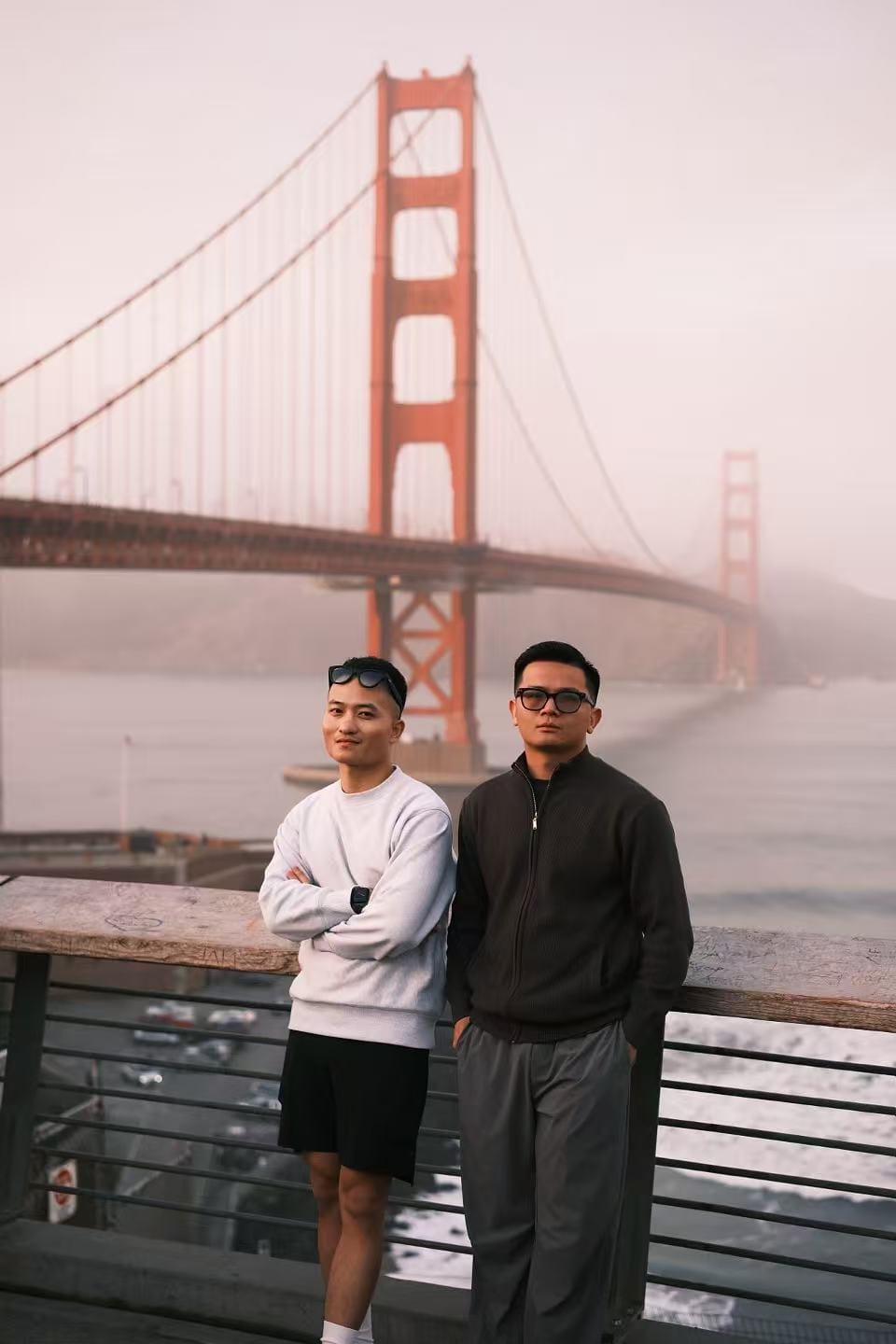
Calvin Cao and Anthony Yu launched New Waves in 2021 with a question in mind: "Why are all the marketing agencies on the market so similar?"
As they explain in their mission statement, they set out to do something different: "We hope to gradually change the stereotype that Chinese brands only engage in routine, mass-market promotions, allowing more Chinese brands to be recognized, appreciated, and loved globally. We aim to be wave-makers for overseas brands in this new era, exploring new avenues for growth: To be the New Waves."
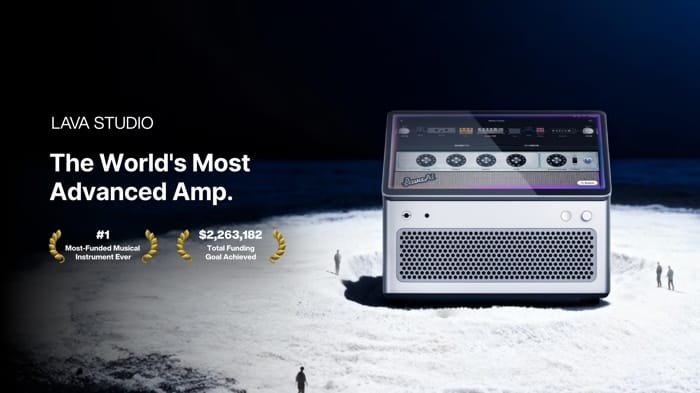
Over the past 5 years, New Waves has helped a number of brands—including Kickstarter creators Acemate, Anymaka, and Ascentiz—with market positioning, content creation, and their global product launches. To date, the New Waves team has helped brands raise and sell over $60,000,000, with a client referral rate exceeding 80%.
We were curious how they've managed such ongoing success, across a variety of projects, so we spoke with Cao about what makes a Kickstarter campaign work, their unique marketing philosophy, and the value of a more thoughtful, quiet approach in an attention-driven environment, among other things.
You founded New Waves with a specific vision. What led you to this kind of approach, and why do you think it’s worked so well?
This is a topic I find especially interesting because marketing styles are deeply shaped by geography and culture. I grew up alongside the rise of China’s internet and e-commerce, when TV commercials were genuinely creative and memorable. In recent years, however, marketing in China has become much more formulaic, with highly polished visuals paired with repetitive keywords to force recall through frequency. It works for exposure, but often feels shallow and exhausting.
I felt a strong contrast while in the UK, where advertising often relies on clever language, humor, and restraint rather than aggressive selling. Many of those messages stayed with me precisely because they were clear without being loud.
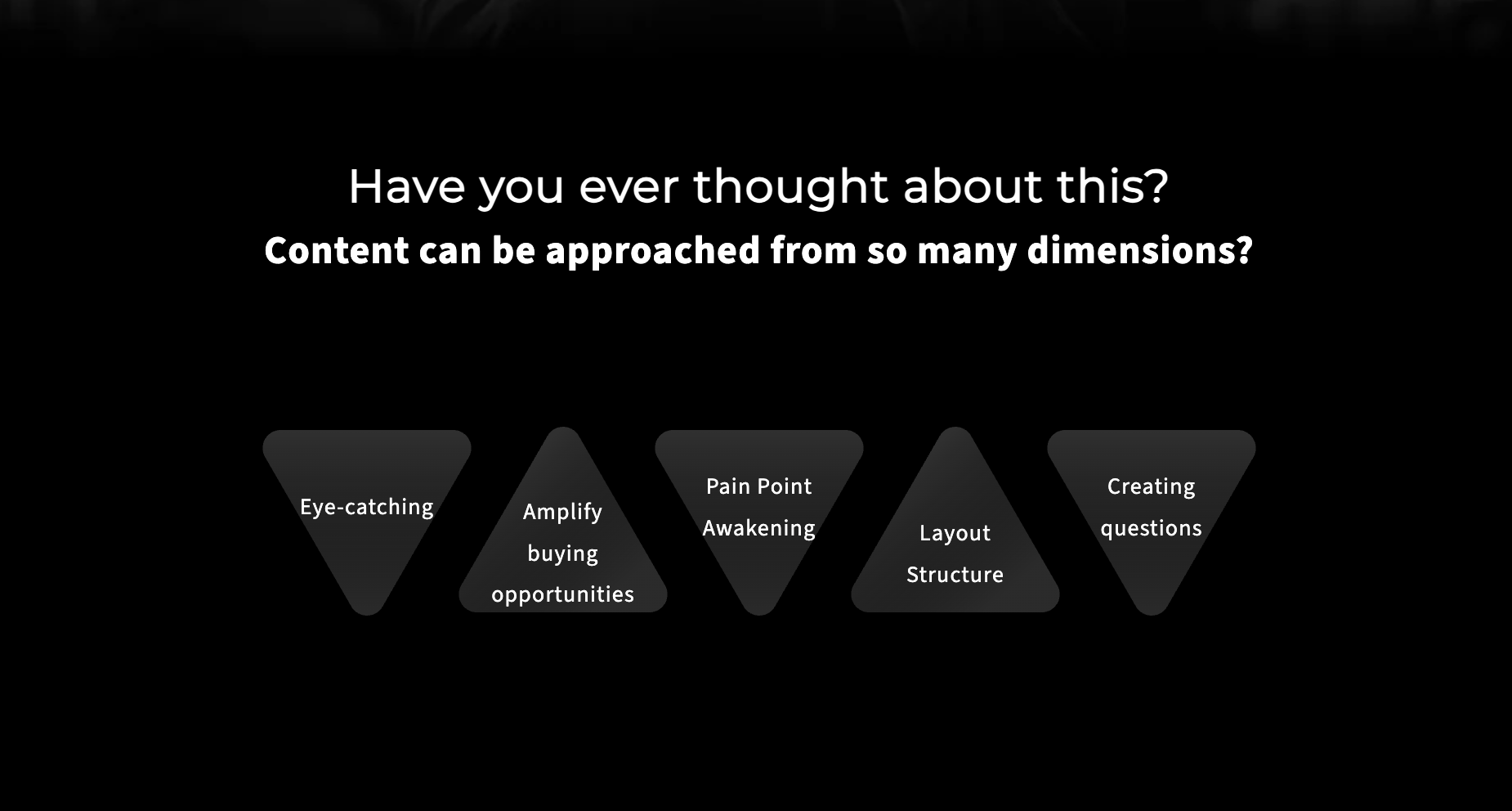
Marketing will always involve repetition. The real challenge is making that repetition engaging. From day one, we’ve focused on creating structured content that resonates with target markets on a psychological, visual, and verbal level. Early in each project, we define the audience, usage scenarios, and core differentiators, then design how those messages should be delivered across video, imagery, and text. Internally, we call this process “visualization.”
We pay close attention to whether each touchpoint communicates a clear buying reason, focusing on user benefits rather than abstract advantages. When done well, people quickly understand the product. At the end of the day, product strength comes first, content comes second—but great content can dramatically accelerate a good product.
Can you walk us through your process of helping a brand launch a project?
Crowdfunding isn’t a short sprint. It’s a long campaign that often lasts four to six months. Because of that, it requires a systematic approach.
We start with internal conviction. If our team doesn’t genuinely understand or believe in a product, it’s almost impossible to communicate it well.
From there, our process usually follows four stages.
First is research and positioning: defining differentiation and packaging clear buying reasons across video, imagery, and text. Next is pre-launch, focused on collecting leads and using early user feedback to refine messaging, while building influencer and media support.
The third stage is launch, where we concentrate on conversion and scaling traffic. Success here depends heavily on having strong creative assets rooted in the buying reasons defined upfront.
Finally, post-campaign support continues through Kickstarter’s Late Pledge period, which often becomes a meaningful extension of the launch. We also advise brands on next steps, including future sales channels and long-term planning.
Overall, we see crowdfunding as an end-to-end process that builds momentum over time, not a single moment.
Can you discuss a couple of successful campaigns and what made them work?
I can share a few projects we’ve worked on and the key strategies behind their success.
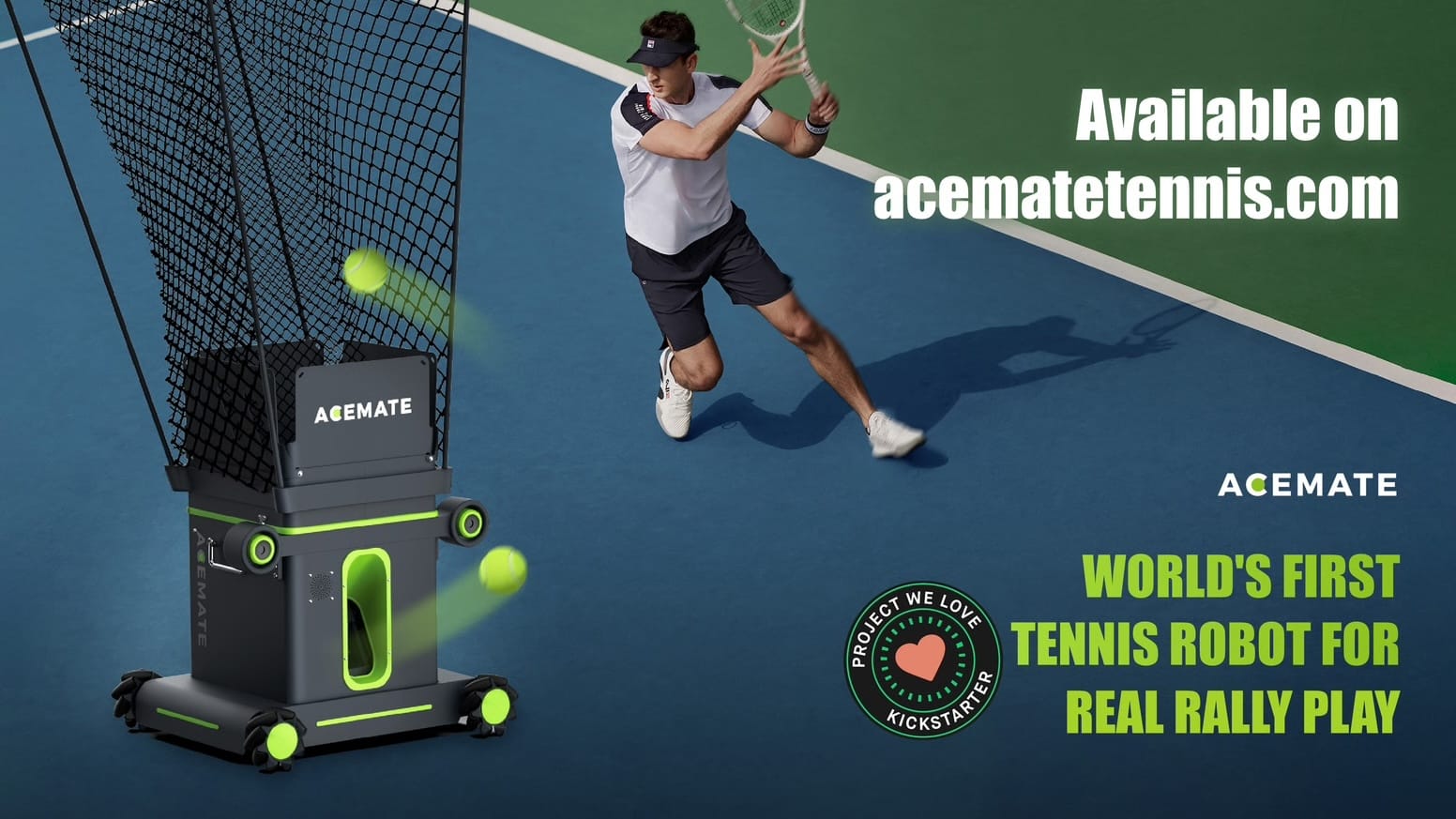
The first is Acemate, a project that was especially personal to me because I play tennis myself and I get the benefits it brings to us. Instead of listing every feature to appeal to a broad, general audience—which is what competitors do—we focused on a very clear core user group. For Acemate, that meant players below the 4.0 level. From there, we segmented users by skill level and designed content specifically for each stage. Beginners focused most on serve practice, intermediate players on rally stability and consistency, and more advanced players on higher-intensity drills and targeted training. By aligning content with the benefits each group actually cared about, users could immediately relate to the product’s value.
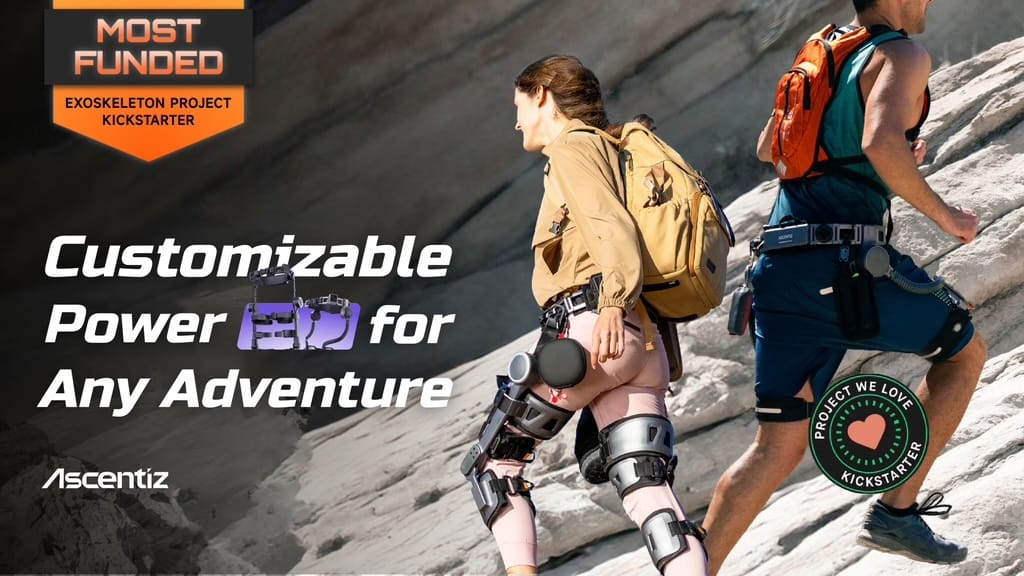
The second project is Ascentiz. In this case, success came from continuous testing and iteration. We used advertising data and user feedback to identify the strongest use case, then repeatedly produced and refined new creative assets centered around that core scenario. This allowed the campaign to maintain steady growth even after launch.
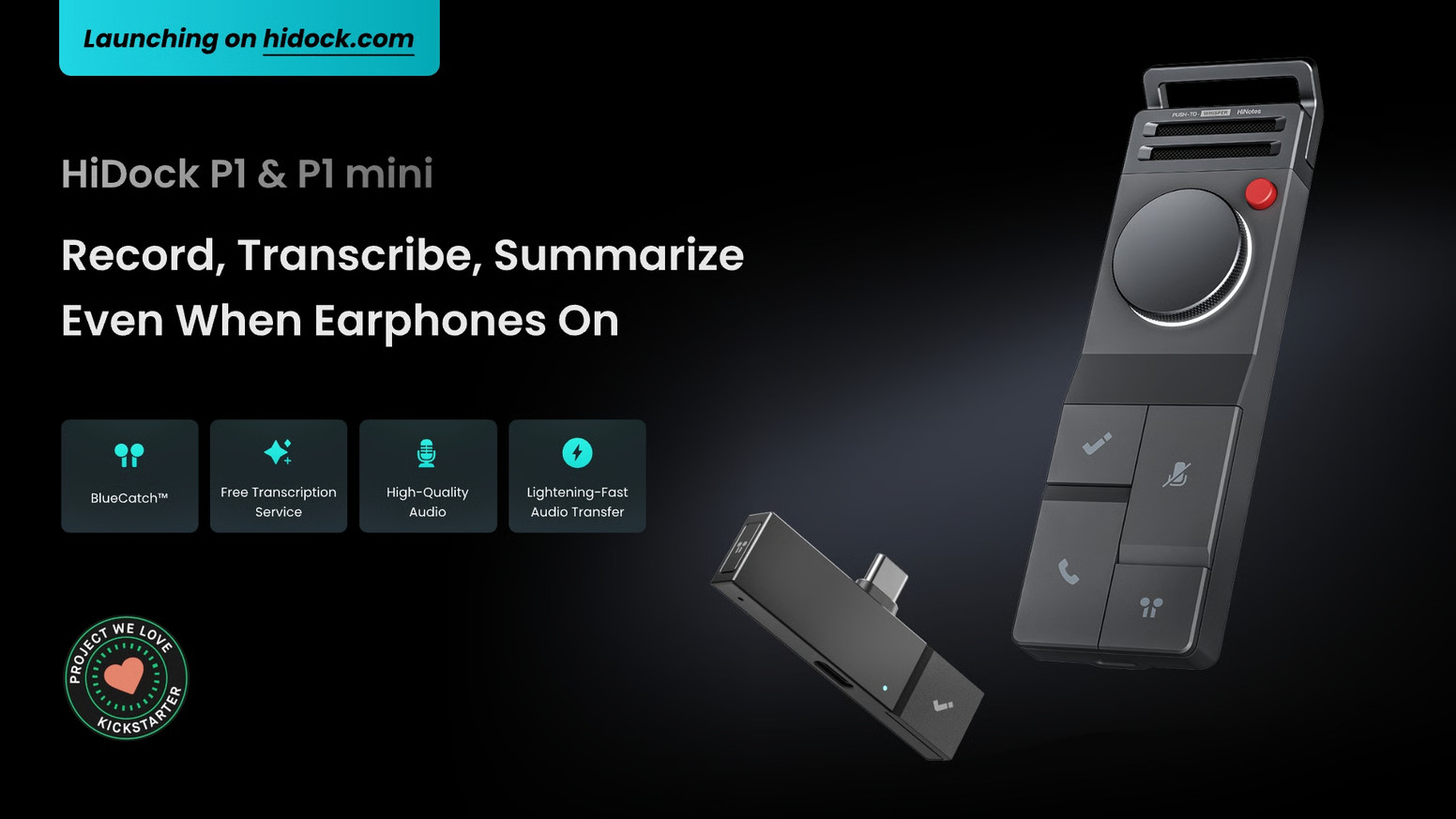
This data-driven, feedback-based iteration is something we apply across all projects, and it has become even more important as Meta’s ad algorithms have become increasingly AI-driven.
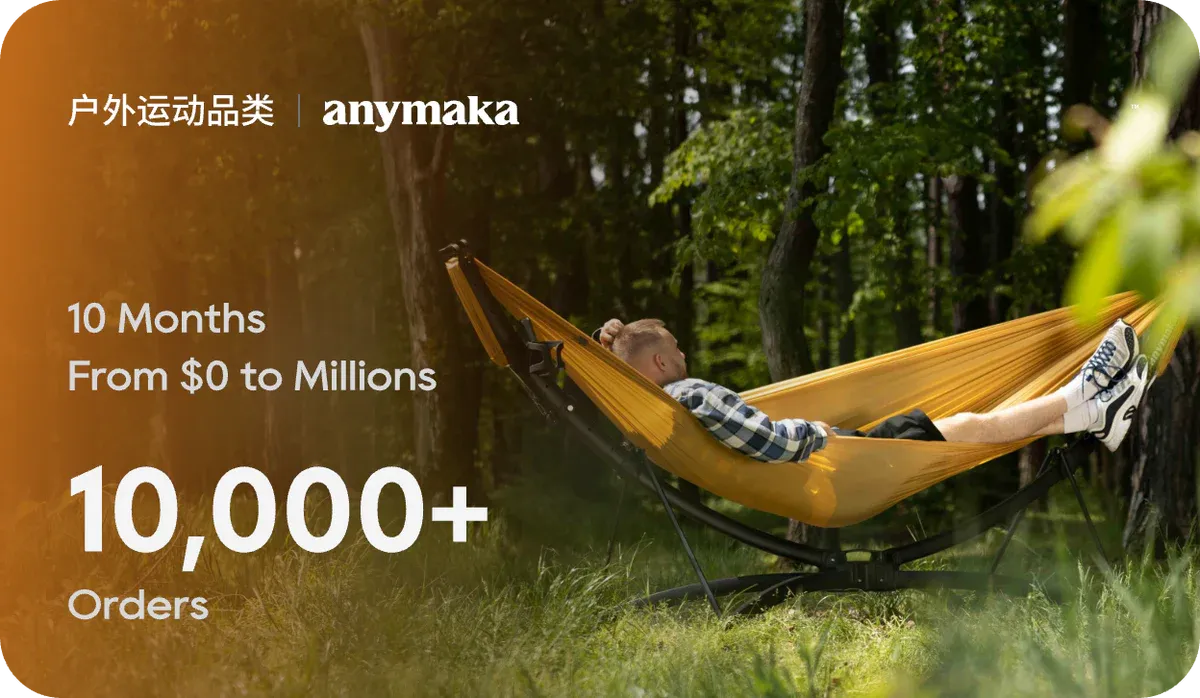
The third project is Anymaka. From the very beginning, we worked closely with the brand to define the product and its key differentiator. One core insight was the product’s ability to set up in just three seconds. We designed the unfolding motion itself as part of the product story and embedded that “3-second setup” moment across every touchpoint — from the campaign page to ads and influencer review guidelines. This ensured that the product’s most revolutionary difference was immediately understood on first exposure.
Across all these projects, the strategy is the same: once we clearly identify the target audience and the product’s core differentiator, we amplify that message consistently across formats and channels. When users quickly understand why a product matters to them, success follows naturally.
What are your biggest suggestions for anyone launching a Kickstarter campaign?
The first is simple, but often overlooked: Don’t rush. Crowdfunding rewards preparation. Crowdfunding nowadays requires a lot of content and credits. Don’t launch a project if it’s not ready. If you cannot convince yourself or your friends, how could you expect some strangers to pay for the uncertainty?
The second is being honest. Backers don’t expect perfection—they expect transparency. Being clear about what you can deliver, and what’s still in progress, builds far more trust than overpromising.
And finally, always aim for clarity. If someone finishes your page and still needs to “figure it out,” or needs some time to understand the benefits to them, the campaign will struggle. Don’t leave questions like “user scenarios” and “differences with competitors” to your audience’s imagination.
What do you do if you’re creatively or logistically stuck?
When I feel creatively stuck, I usually look outward. Watching YouTubers I follow or searching related content often helps trigger new ideas.
If I’m stuck logically, I go back to the original goal and rethink the problem from the user’s perspective. I also read reviews on Kickstarter and Reddit discussions around similar products — real user conversations often bring me back to the fundamentals and help me reset. Of course, I also talk with ChatGPT for some insights and different perspectives.
What are the most valuable resources for the kind of work you do?
For me, the most valuable resource is the combination of logical thinking and emotional sensibility. Marketing has always been a collision between rational structure and human perception, yet many people tend to focus too heavily on one side and ignore the other.
Logic helps us understand positioning, structure, conversion paths, and data analysis. Sensibility helps us understand how something feels, whether it resonates, and whether people actually care. When one is missing, marketing either becomes cold and mechanical or emotional but ineffective. The real challenge — and value — lies in knowing how to balance the two.
What do you get out of this work? What has it taught you?
What this work has taught me is the importance of always staying in an evolving mindset.
As I mentioned earlier, marketing touches many layers — technology, culture, trends, and in recent years, the rapid development of AI. All of these forces are constantly reshaping how marketing works and how people think. At the same time, user behavior and expectations are evolving just as quickly.
Because of that, as marketers, we can’t rely on fixed formulas. We have to keep observing change, thinking through it, and adapting to it. Staying curious and flexible has become one of the most important lessons for me.
What path led you here? What surprised you most along the way? Can you just give a little history on how you started New Waves and how you got from that first day to the present?
Early on, I knew I wanted to work with products I genuinely enjoyed while combining creativity with my engineering background. About eight years ago, I began working in global marketing, where I encountered many innovative products and eventually met my business partner, Anthony. We started New Waves in 2021 with a shared goal of helping more brands go global.
Over the past decade, globalization created huge opportunities—but also led many marketing approaches to become fixed and formulaic. We wanted to break out of that pattern and help brands be recognized for real brand value, not just products. As a younger company, we embraced experimentation and new ways of working.
In the early days, building trust was challenging. But our project management backgrounds helped us understand what clients truly needed throughout a campaign. By consistently putting ourselves in their shoes, that responsibility gradually turned into word-of-mouth referrals and long-term relationships.
What does success look like to you?
This question reminds me of a moment I still think about. Once, while in Salt Lake City, I had a casual conversation with a local about my work. At some point, we talked about a project we had worked on, and he said, “Oh, I know that product. I’ve been following it.” That moment felt like success to me.
For us, success isn’t defined by a headline funding number. It’s about helping brands grow real influence across different parts of the world — building an audience, being remembered, and becoming part of people’s lives. If we can play a meaningful role behind the scenes in making that happen, that’s success.
