Partner Case Study: TCF
The team behind Circular Ring 2 and other multi-million dollar Kickstarter campaigns shares how failure, preparation, and teamwork drive their success.

In some ways, TCF feels less like a marketing company and more like a marketing university.
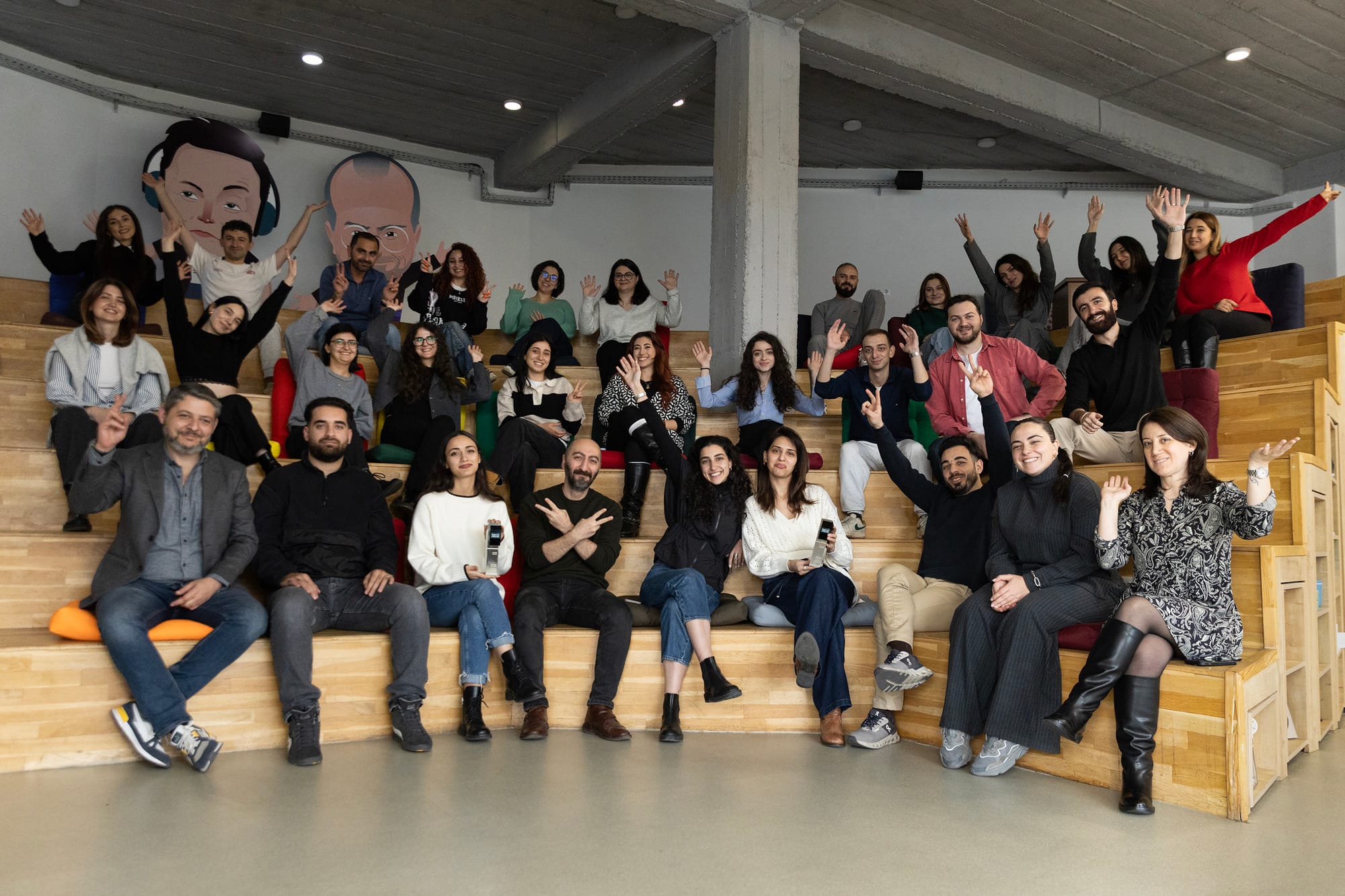
Founded in 2017 by Narek Vardanyan as The Crowdfunding Formula, the organization offers educational resources through its blog, webinars, workshops, and events, and published the book Crowdfunding Secrets Today, with a team of more than 100 and campaigns like the multi-million-dollar Circular Ring 2 under its belt, TCF is the world’s largest crowdfunding marketing agency.
But their story began with failure. We spoke with the team about learning from setbacks, working like a football team, and staying curious.
What’s the history of TCF?
TCF started with an unsuccessful crowdfunding campaign.
Back in 2015 and 2016, our founders were first-time creators running their own project. They assumed crowdfunding would resemble traditional marketing. It didn’t. The campaign failed, but it revealed something important: crowdfunding operates by its own rules, psychology, and rhythm.
That experience sparked experimentation. We tested ideas, studied what worked, and began building repeatable frameworks. Along the way, Narek Vardanyan wrote 57 Secrets of Crowdfunding, which later became an Amazon bestseller.
In 2017, The Crowdfunding Formula was officially founded with a simple goal: help creators avoid common mistakes and give their ideas a real chance to succeed.
From there, growth accelerated. The team expanded, campaigns crossed the million-dollar mark, and creators began turning projects into lasting brands. Today, TCF supports innovators worldwide with a full-service team across every major discipline.
What's been the most surprising thing you’ve realized along the way?
One of the biggest surprises is that success isn’t just about marketing. It’s about building a full ecosystem around creators, from idea validation and launch to long-term eCommerce growth.
Education became a natural extension of that mission. Through our content and events, we share what we’ve learned so creators can enter crowdfunding informed and prepared.
At its core, our goal is simple: help innovators turn ideas into real products, and real products into lasting brands.
For the kind of work that you do, what are the most valuable resources?
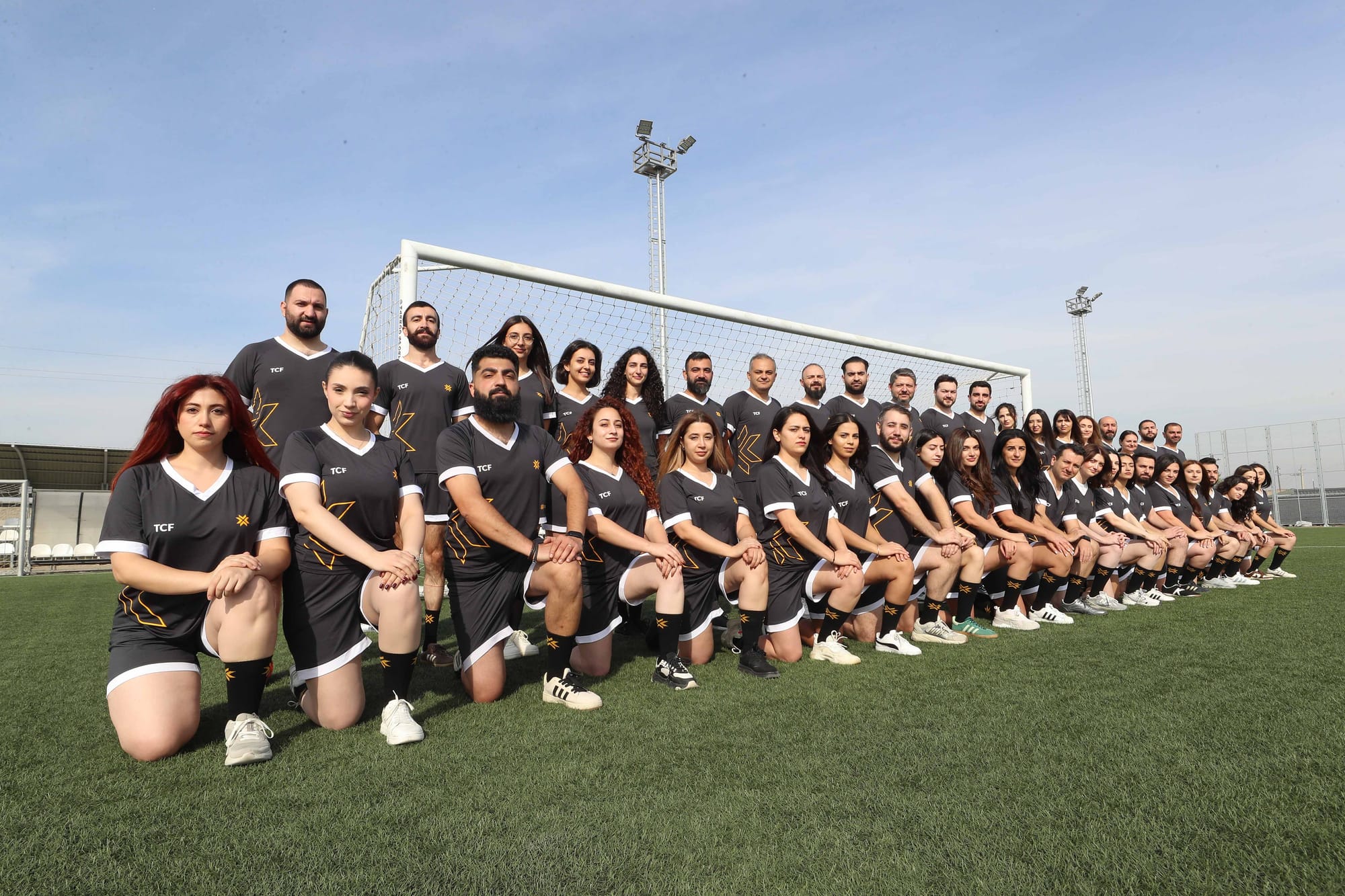
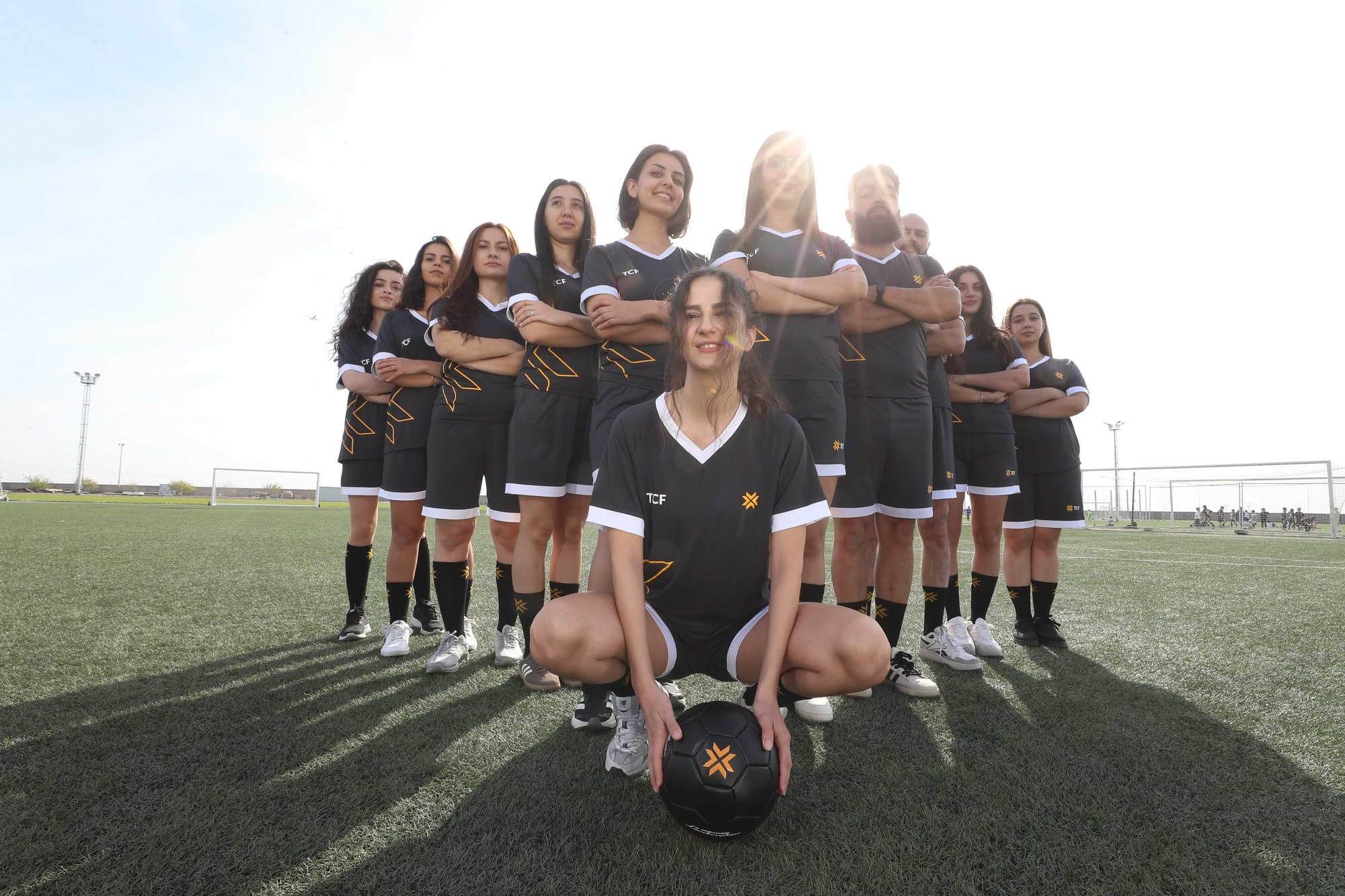
Our most valuable resource is the team behind every campaign.
Each project gets what feels like its own in-house marketing department, tailored to its needs from start to finish. Strategy defines direction. Ads manage performance. Social builds community. PR establishes credibility. Community managers support backers. SEO and content keep products discoverable. Copy and design turn complexity into clarity. Influencer specialists connect products with niche audiences.
Because everyone moves together, nothing feels disconnected. Every decision is made with the full picture in mind.
It’s the power of an in-house team, combined with deep crowdfunding expertise.
What was the inspiration behind things like the advice section on the website, Crowdfunding 101, and the book?
Crowdfunding is hard. Most creators don’t fail because their idea is bad, but because they start without clear guidance.
We don’t believe experience should only belong to clients. That’s why we share what we know through free guides, webinars, events, and books.
57 Secrets of Crowdfunding is based on insights from over 200 successful campaigns. It focuses on practical preparation, structure, and common pitfalls, many from projects that launched with very small budgets.
When creators are better prepared, crowdfunding becomes healthier for everyone.
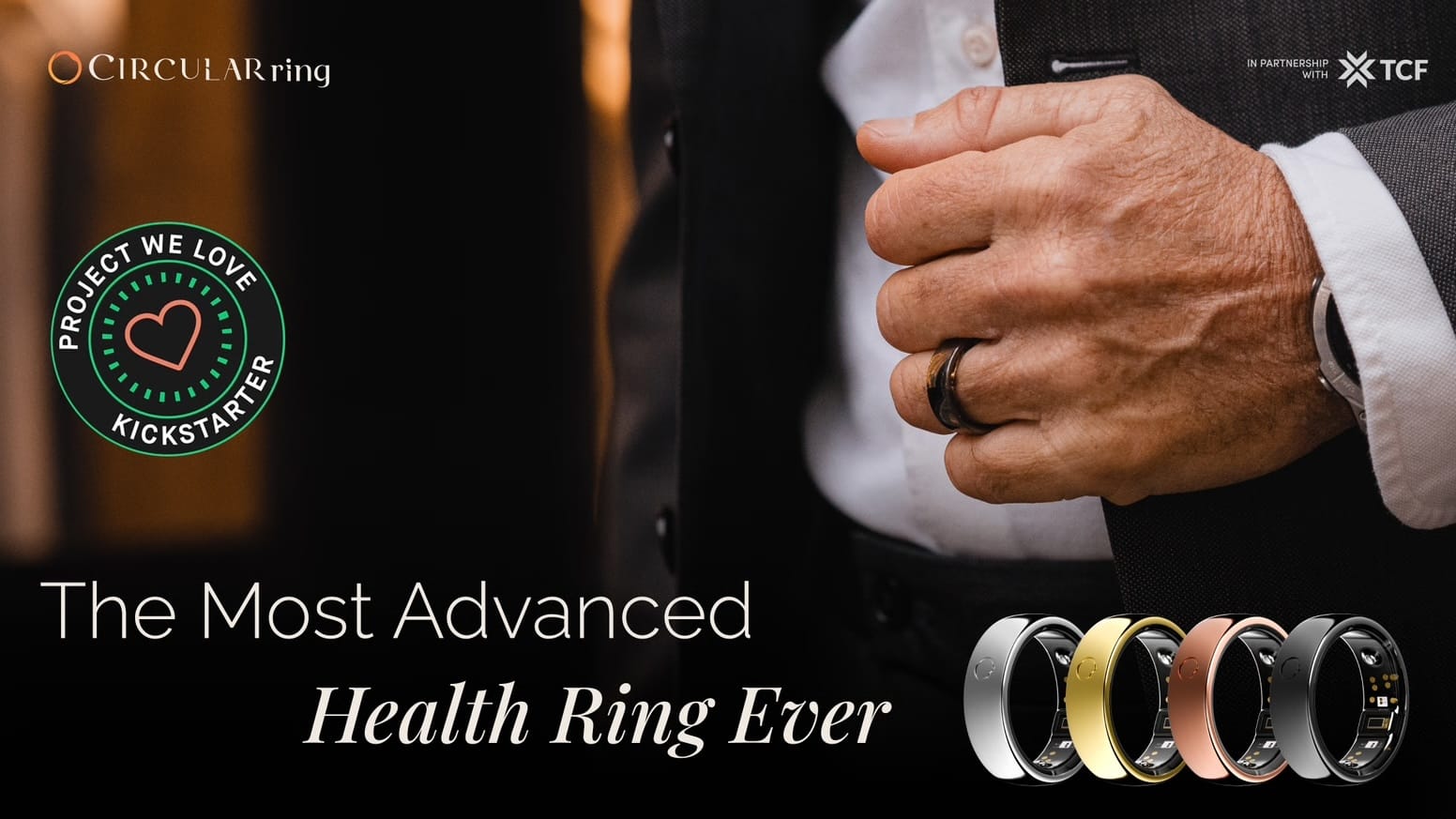
Why do you think Circular Ring 2 was so successful?
Circular Ring 2 became one of the most funded projects in its category, but that success came with challenges. Many backers were first-time supporters with expectations shaped by traditional e-commerce.
One lesson was that education must extend to backers, not just creators.
We also faced last-minute launch changes that required fast adaptation. Most importantly, the founders stayed transparent, present, and aligned throughout the campaign. They treated the community as partners, not customers, which made a real difference.
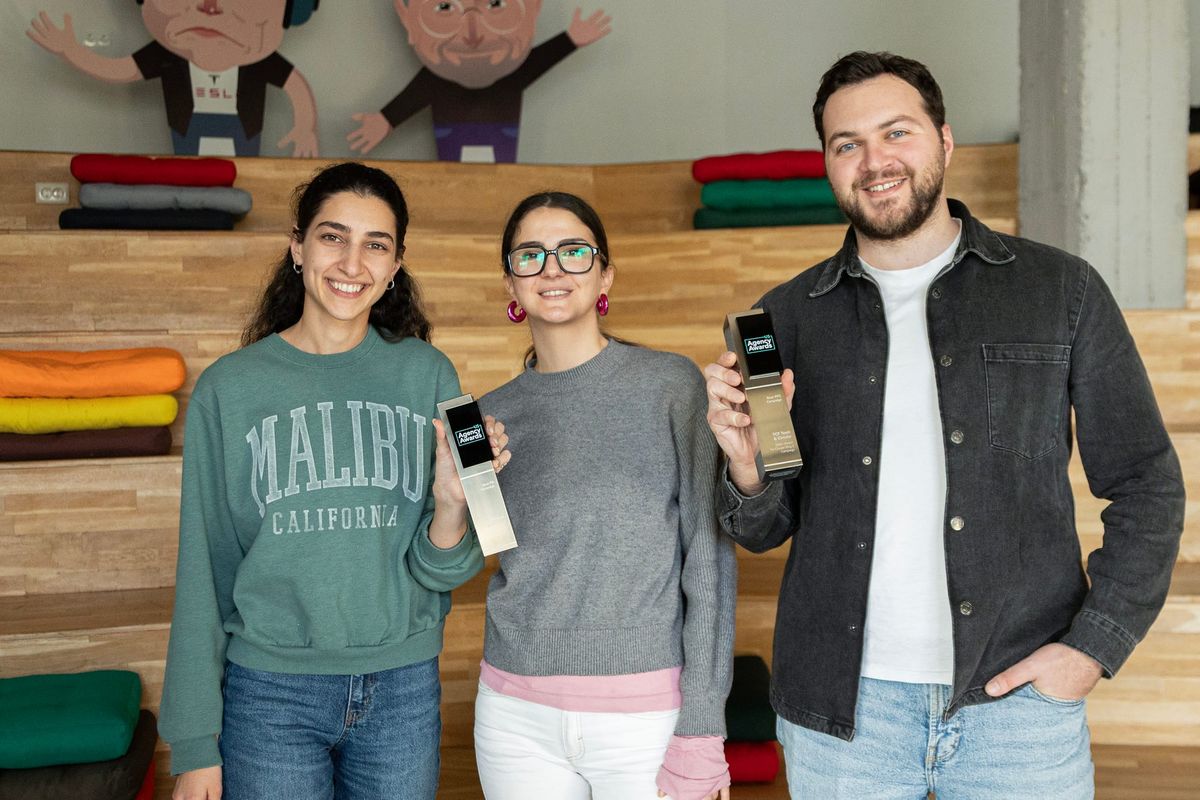
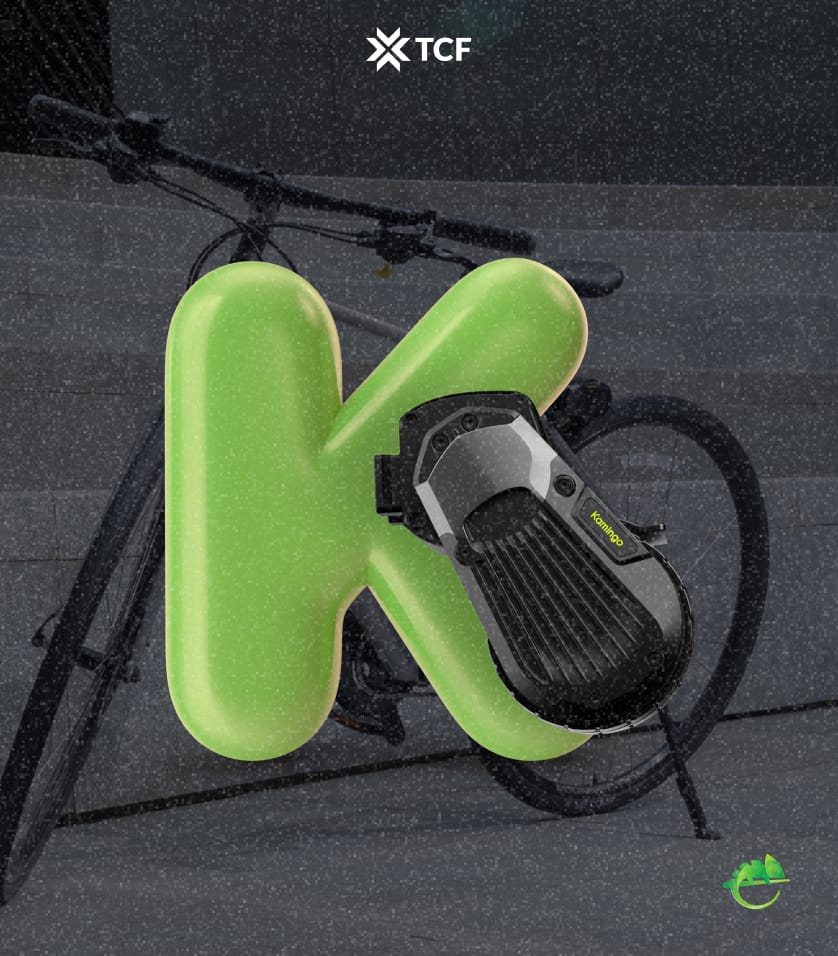
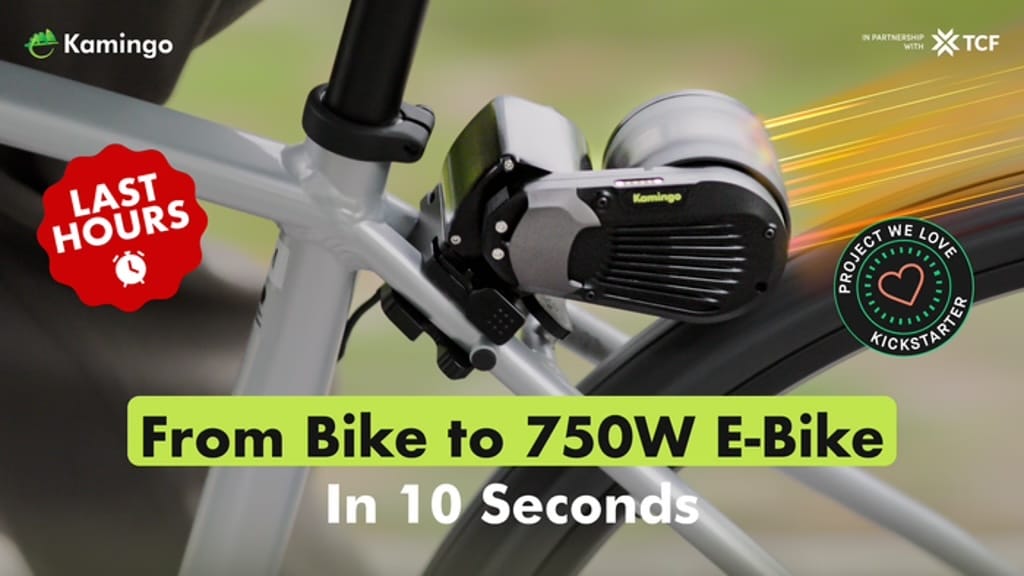
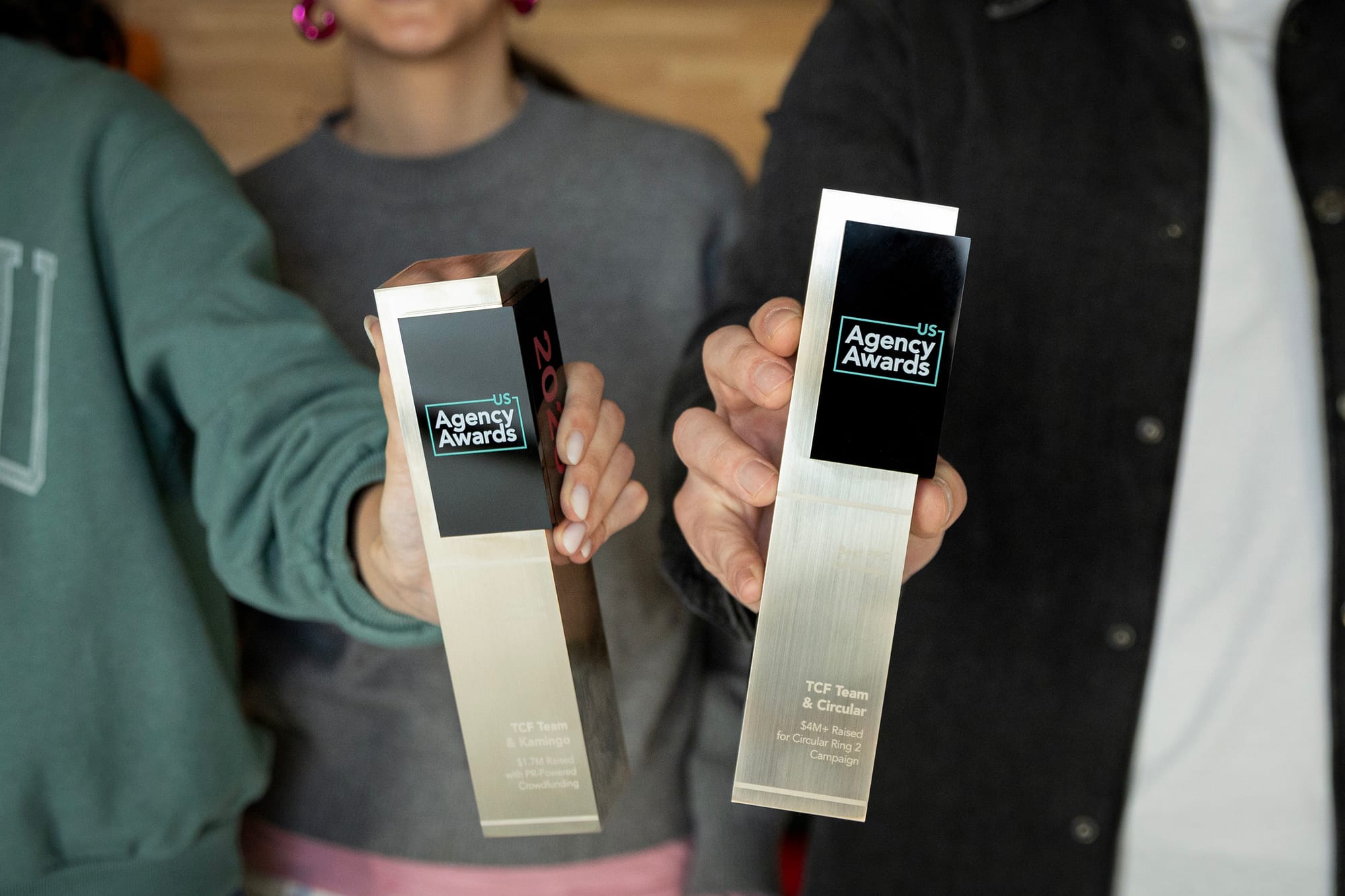
In the same year, we also won Best PR Campaign for Kamingo, which became another seven-figure campaign.
Can you walk us through your launch process?
We have learned that the real campaign does not start on launch day. It starts 60 to 90 days earlier, during prelaunch.
That phase is where assumptions turn into data. Creators usually come to us with a product and a target audience in mind, but those are still hypotheses. Prelaunch is how we test them.
To do that properly, each direction prepares its work deliberately. The project manager defines the framework and sets clear success criteria and also pricing test to discover the best one prior to launch (you will be surprised to know that sometimes people are ready to pay more than creators are expecting). Ads test audiences and messaging. Social explores content angles and early community signals. Each department operates much like it would during the live stage, with one key difference: everything is focused on testing, monitoring, and adjusting before the launch.
Each team works on its own discipline, but all insights are shared and connected. This is how we gather real market feedback before the campaign goes live.
Once each direction has done its work, everything is connected into one omnichannel system. Nothing is improvised. Every decision is informed by data and real audience response.
Prelaunch is also where we listen closely. We learn what people love about the product and what makes them hesitate. Since crowdfunding is about co creation, this gives us the chance to address objections early, before they become campaign problems.
This process also helps us set realistic funding goals based on real market response, not guesswork. For example, with Kode Dot, one of our seven-figure campaigns, prelaunch testing helped validate a 150K goal that we reached in the first 48 hours and later exceeded by ten times. The data we gather also helps build credibility with advertising platforms, which makes scaling smoother and keeps performance stable during the live campaign.
When launch day comes, the whole team is fully focused. By that point, every system has been prepared and tested. It feels like a spaceship launch. Everyone is at their station, monitoring their area, checking data, and ready to act. When we hit the Go Live button, all systems work in sync.
Once we are live, the work continues. We do not set it and forget it. We scale carefully, send backer surveys, and adjust messaging based on real feedback. We are fortunate to work with partners who actively engage with their communities, which makes that feedback loop even stronger. We may adjust and change rewards and add-ons, we can introduce stretch-goals, special promotions and more.
After the campaign ends, we often continue with late pledges to maintain momentum, depending on the partner’s long term goals.
What advice would you give to new creators?
The biggest mistake is treating launch day as the starting line. Strong campaigns are built long before launch and carried well after it.
What works:
- Structured preparation with clear ownership across disciplines
- Real validation before launch
- Realistic goals based on data, not hope
- Timelines with buffer and transparent communication
What doesn’t:
- Overpromising features or delivery dates
- Treating the campaign as a one-time event
Something will always fail. The strongest campaigns come from teams that test, learn, and adapt.
What do you do if you're creatively or logistically stuck?
We rely on proven frameworks when inspiration isn’t enough.
If a product feels complex, the issue is usually positioning or audience, not the product itself. For highly technical projects, we align closely with founders, clarify priorities, and build a shared brief so that complexity becomes differentiation rather than confusion.
What do you get out of this work? What's it taught you about yourself?
Love this question, because the pace is real and it doesn’t slow down.
Marketing moves fast, and staying effective requires constant learning. Over time, comfort becomes motion, not predictability.
What keeps us going is curiosity. Crowdfunding exposes us to new ideas every day. You’re always seeing what’s coming next, and there’s always more to learn.
That pace isn’t for everyone. But once you accept it, the work becomes deeply meaningful.
What can someone learn from failure?
Failure sharpens insight. When something doesn’t work, we reflect, adjust, and apply what we’ve learned.
We encourage experimentation and bold thinking, supported by proven frameworks. At TCF, failure isn’t the end of the story. It’s often where progress begins.
What does success look like to you?
Success isn’t one-size-fits-all. For some creators, it’s funding. For others, it’s validation or finding their first customers.
Our definition is simple: success is when partners achieve what they set out to do.
The most rewarding projects don’t stop at crowdfunding. They build communities, habits, and sometimes entirely new categories. For us, success means helping ideas move from concept to reality and leaving creators stronger than when they started.
