
Partner Case Study: Vinyl 乙烯创意
The marketing team behind Makera, LaserPecker, and other multi-million dollar Kickstarter campaigns explains what’s led to their success on the platform.

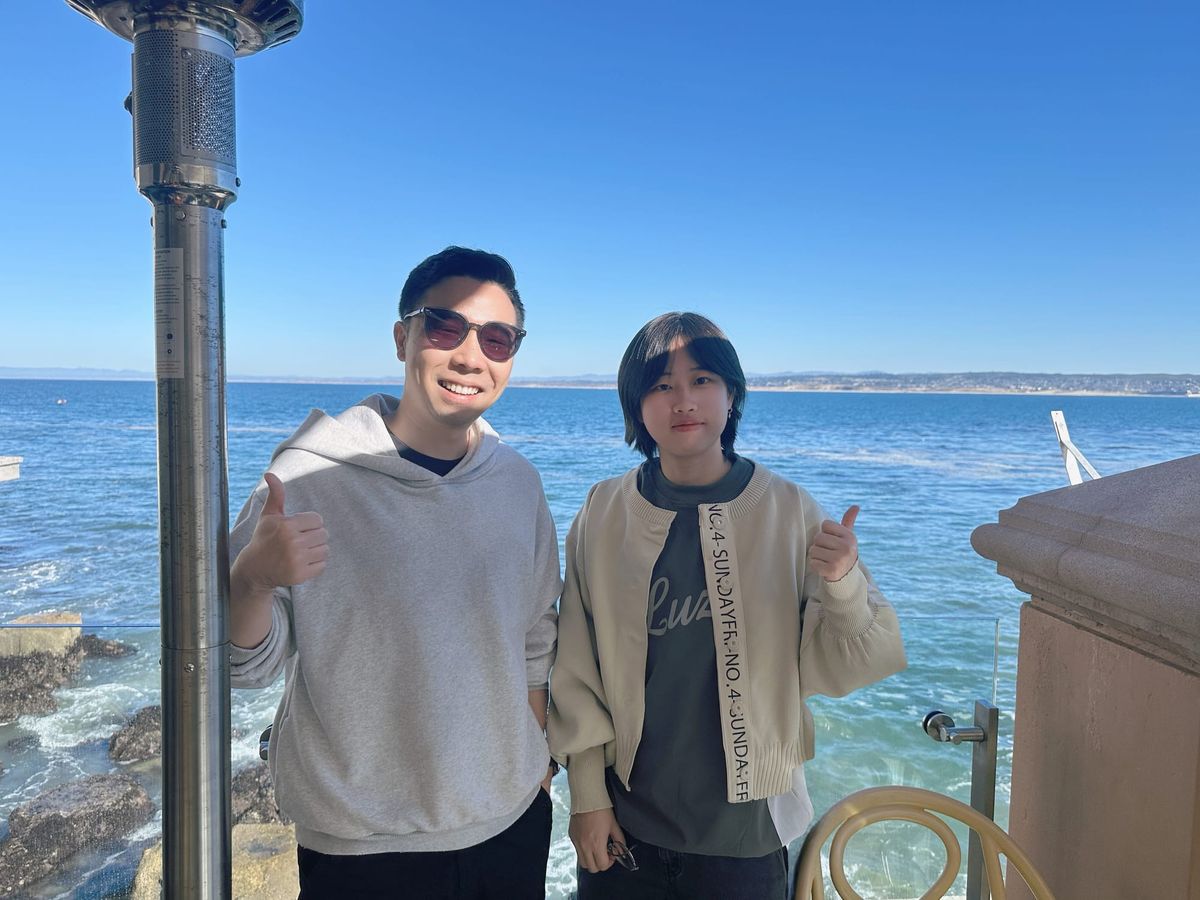
Vinyl was founded in 2017 by Summer Su and Andy Peng, though as Su puts it, “the journey began earlier.” The two worked together in 2015 at a hardware startup launching new products globally via crowdfunding. “Through that experience, we came to see crowdfunding not just as marketing, but as an ecosystem that helps innovation reach the world,” Su explains.
During a 2017 trip to CES, they realized a shared love of music and vinyl records. “Music, creativity, and bringing meaningful things to a wider audience are deeply connected. That’s how the name Vinyl was born.” For Su, Vinyl also represents transformation: flexible, adaptable, and foundational to building something lasting.
Nearly a decade later, the company has worked with Kickstarter creators, including Makera (which raised over $15 million on its last project) and NestWorks C500 (which raised over $11 million). We spoke with Su and Peng about what’s driven that success.
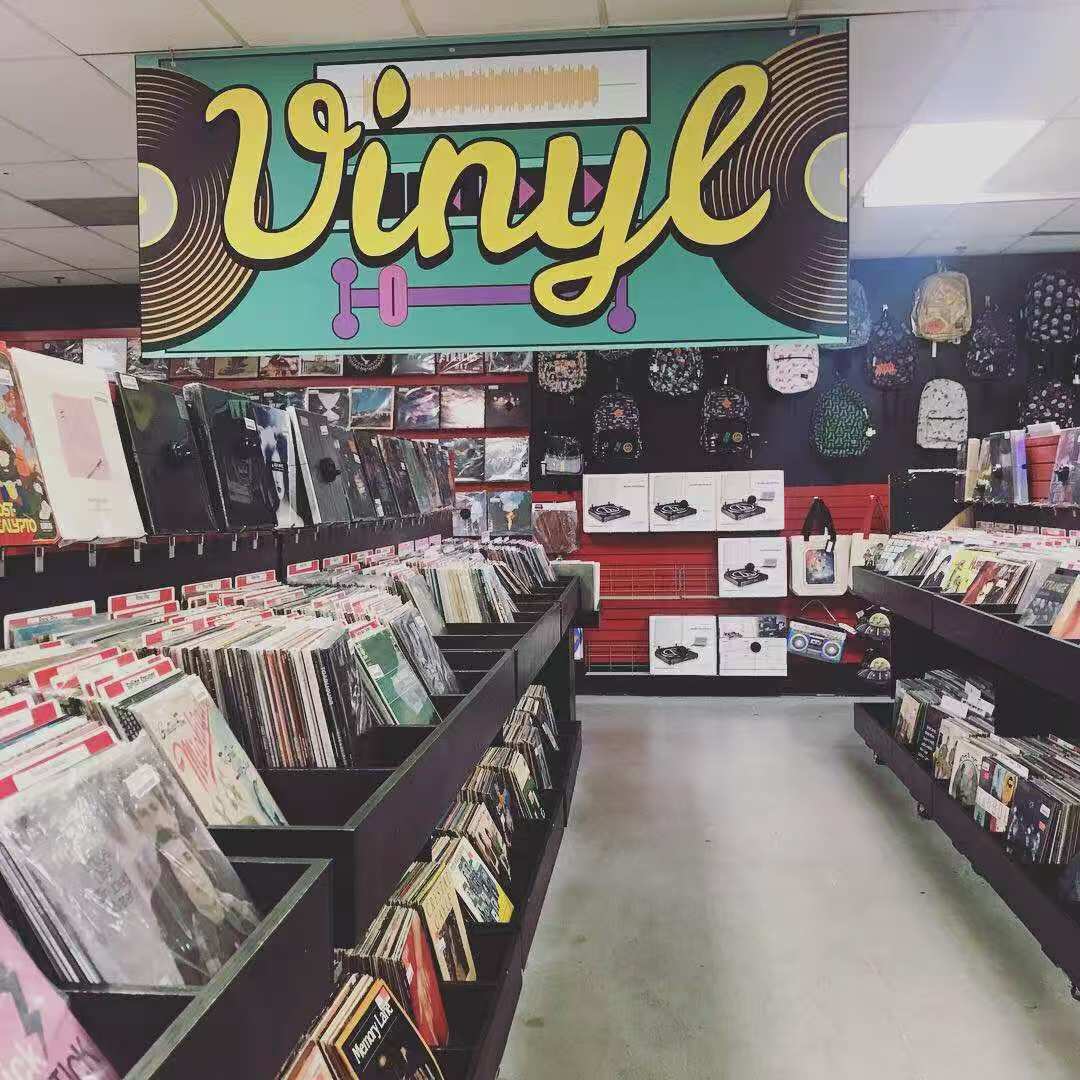
The word "Vinyl" is so specific—it resonates. You mentioned that the name came from a shared love of music. What else does it mean to you?
Vinyl is also the material behind the record—flexible, moldable, and essential for transformation. At its core, it traces back to ethylene, a simple yet highly versatile molecule that underpins countless materials and applications in modern industry. We’ve always loved that idea.
How has your vision stayed the same, and changed, since you first started the company?
From the beginning, we believed that great hardware innovation needs a global audience, and crowdfunding is the ideal place to start. It helps teams manage early cash flow, plan production, connect with users, and gather feedback—often unlocking long-term opportunities beyond launch. That belief shaped Vinyl’s mission: helping outstanding hardware products go from zero to one, and on to building global brands.
As Kickstarter grew, the scale of projects we worked on grew alongside it. Early crowdfunding felt experimental; today, creators are more professional, products more mature, and backers more experienced. Competition has intensified, which raises the bar and ultimately surfaces the most credible ideas. Crowdfunding marketing has evolved as well, now requiring clearer positioning, stronger storytelling, and deeper community engagement.
From a small team in a WeWork, Vinyl has grown into a global marketing agency. While crowdfunding remains at our core, we now support full-funnel digital marketing and participate in select seed-stage investments—helping projects grow well beyond launch.
 Kickstarter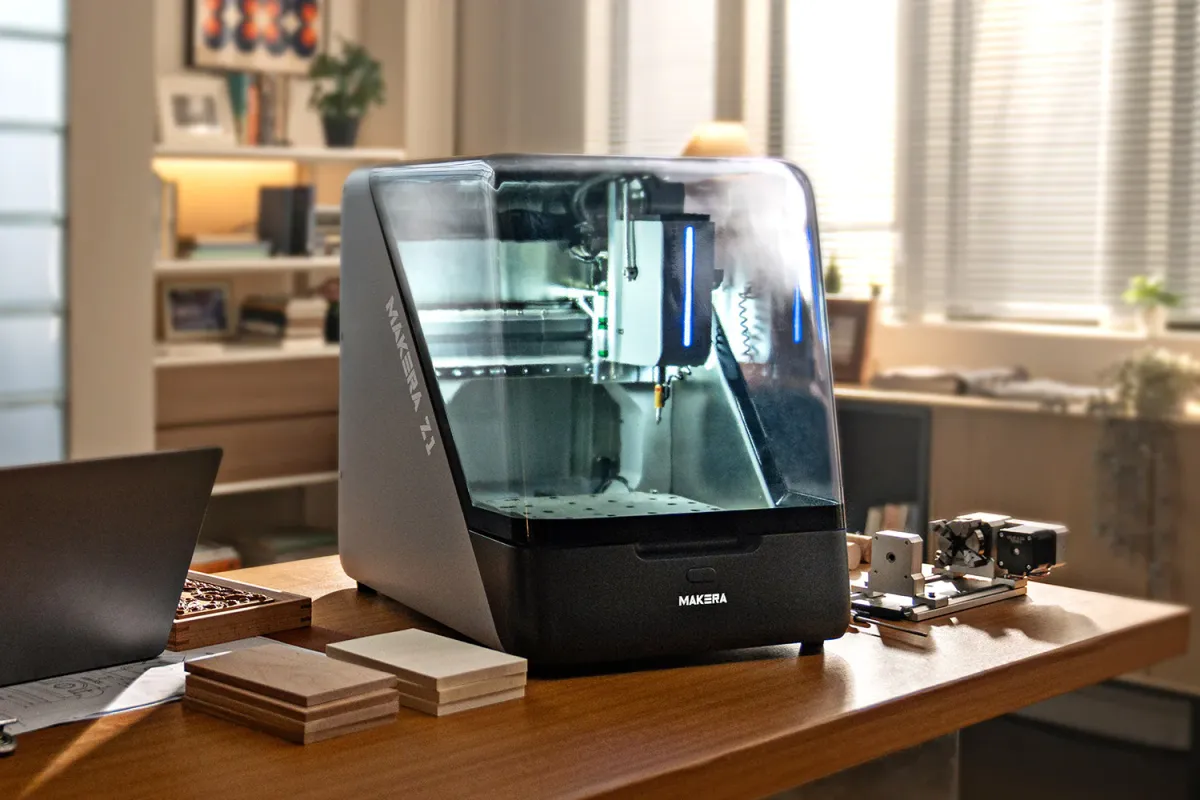
For the kind of work that you do, what are the most valuable resources?
For the kind of work we do, the most valuable resources aren’t tools or platforms— they’re experience, judgment, and trust.
Marketing changes constantly, but what doesn’t change is the importance of building trust with creators, manufacturing partners, and the backer community. Over time, working across many hardware categories has given us strong pattern recognition, allowing us to identify risks and opportunities early.
Execution is where strategy becomes real. That means aligning messaging with manufacturing realities, validating timelines and pricing, and ensuring every promise made during a campaign can actually be delivered. In crowdfunding, credibility comes from consistency between what’s said and what’s done.
You’ve documented your success stories with a number of Kickstarter projects. Can you explain why you think that project was so successful? What did you learn from this project?
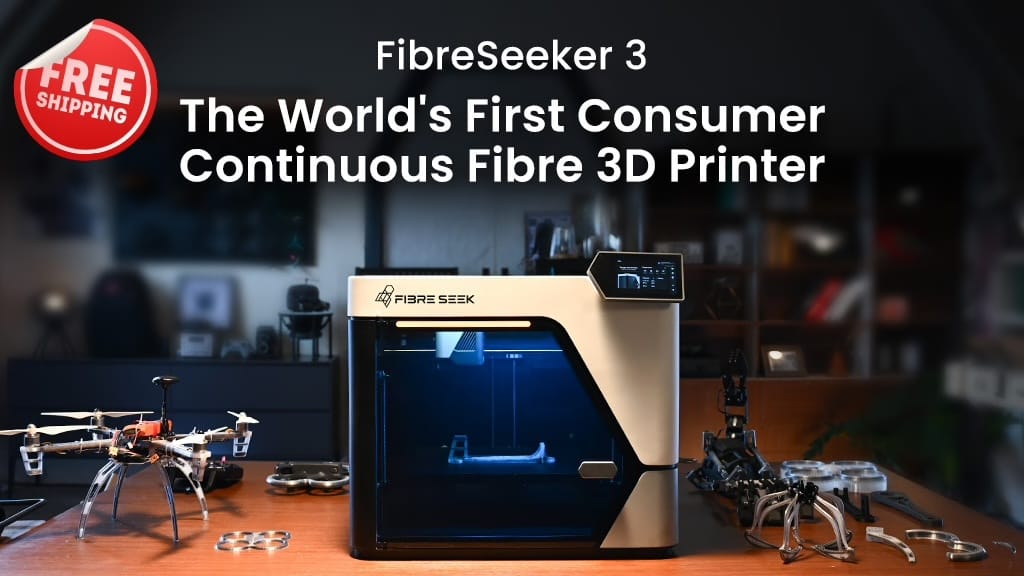
Over the past nine years, Vinyl has been involved in hundreds of Kickstarter projects, including LaserPecker, Makera, Nestworks, Procolored, and Fibreseeker, many of which ultimately achieved funding in the millions or even tens of millions of dollars.
From our experience, success often comes down to three things: whether the product is solid, whether the team understands their users, and whether they communicate openly.
NestWorks C500 is a good example. The project, which raised approximately $11 million by the end of 2025, began with a real internal need. The NestWorks team, made up of robotics and engineering specialists, designed C500 to solve firsthand frustrations with existing machines.
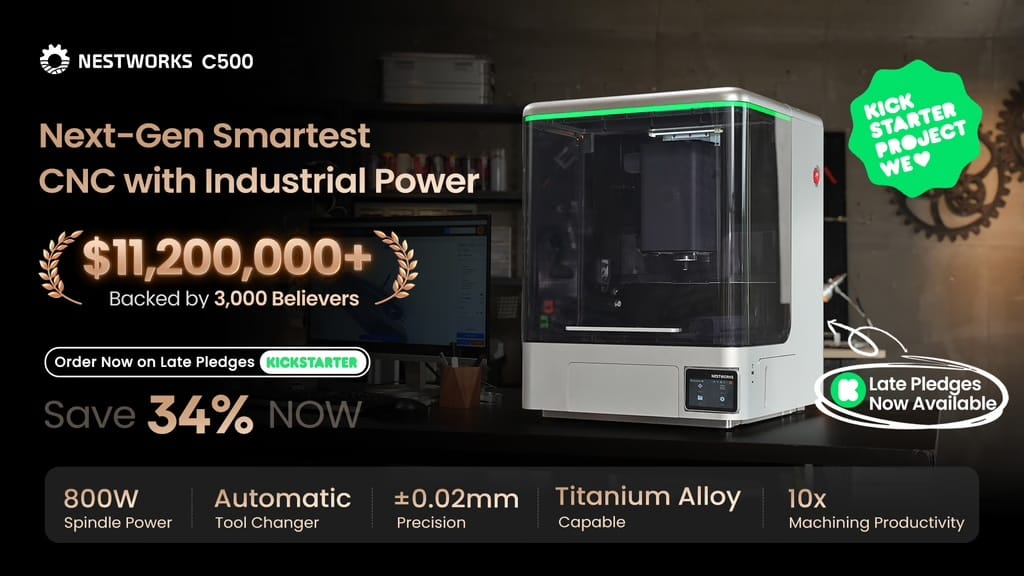
During preparation, we focused on gathering early user feedback, testing key differentiators in communities, and clarifying which features truly resonated. Once the campaign launched, one insight became clear: backers respond to people, not just product pages. When the founders engaged directly in live sessions and community chats, trust increased immediately.
This reinforced a broader lesson: today’s backers don’t pledge based on concepts alone. They evaluate whether teams truly understand the problem and can execute long-term. Our role is to help align product strength, creator credibility, and market trust.
Can you walk us through your process of helping a brand go from zero to one?
Before launch, we work closely with brands on product and market research, positioning, and strategy—ensuring creative ideas address real user needs. We then bring the product to life through videos, landing pages, ad creative, and copy, while running pre-launch campaigns to build an initial audience.
Throughout the process, we coordinate PR and KOL collaborations and continuously optimize based on data and feedback. Once live, advertising, user engagement, and customer support continue seamlessly, reinforcing confidence in the brand.
This end-to-end approach helps brands turn uncertainty into clear decisions while building sustainable trust and long-term value.
After the crowdfunding concludes, we assist the brand in collecting fulfillment information, ensuring every step from concept to delivery is efficient and controlled.
This end-to-end process allows us to turn complex uncertainty into something manageable, helping brands make clear decisions in the market while building sustainable user trust and long-term brand value.
What are your biggest suggestions for creators launching on Kickstarter?
Be prepared. Kickstarter works best when creators arrive with functional prototypes and a realistic understanding of product–market fit.
Be honest. Backers understand iteration, but trust breaks down when limitations are hidden or expectations are overstated.
Respect the backer mindset. Backers aren’t just customers; they’re partners. Clear communication and responsiveness matter as much as the product itself.
A common pitfall is overpromising around timelines or features. It’s always better to underpromise and deliver consistently.
How do you push through tough projects?
Some challenges come from creative constraints; others from engineering, timelines, or supply chains. In hardware crowdfunding, projects are often visible while still in development, which can surface public criticism.
In these moments, we don’t encourage creators to hide problems. Instead, we help them face issues directly—acknowledging feedback, explaining limitations, and outlining clear next steps. Often this means slowing down, aligning closely with engineering teams, and turning feedback into an improvement roadmap. Honest updates frequently rebuild trust more effectively than any marketing tactic.
What do you get out of this work?
Crowdfunding teaches long-term thinking. Projects evolve, assumptions are challenged, and outcomes aren’t fully controllable. Over time, this builds patience, judgment, and empathy.
Every creator represents real risk and belief in an idea. Seeing creativity turn into something tangible is deeply meaningful. Ultimately, what we get from this work is sustained purpose: helping ideas move from imagination to reality.
What can someone learn from failure?
Failure reveals where assumptions didn’t match reality.
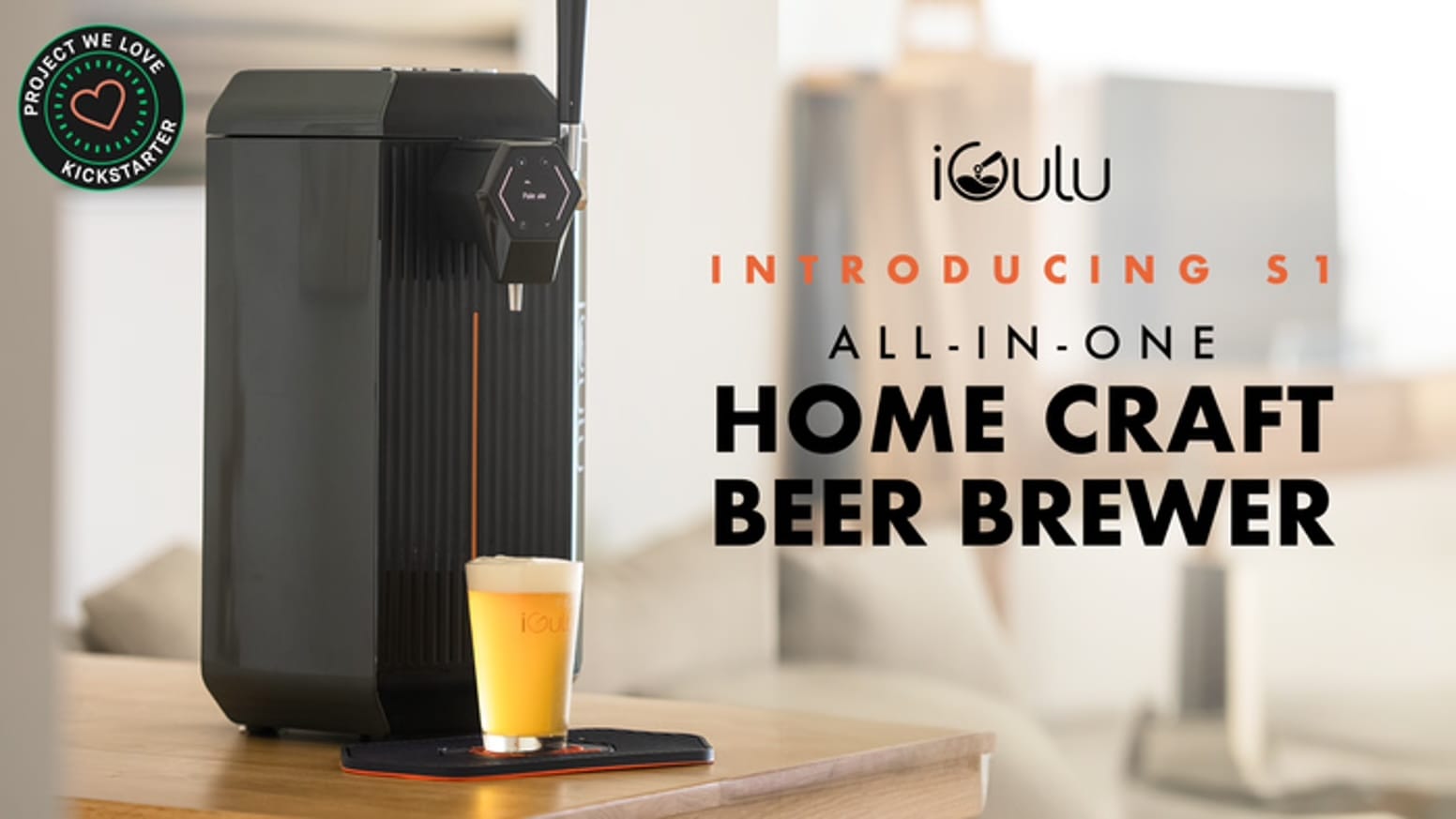
Take iGulu, whose first smart beer brewer faced major delays. Rather than walk away, the team continued communicating with backers, improved the product, and later relaunched successfully.
Failure sharpens judgment, deepens responsibility, and builds humility. Progress is rarely linear, and learning to adjust thoughtfully often matters more than avoiding mistakes.
Lastly, what does success look like to you?
Success is multi-dimensional. Sometimes it’s a $10M campaign. Other times, it’s helping a smaller project launch responsibly and grow sustainably.
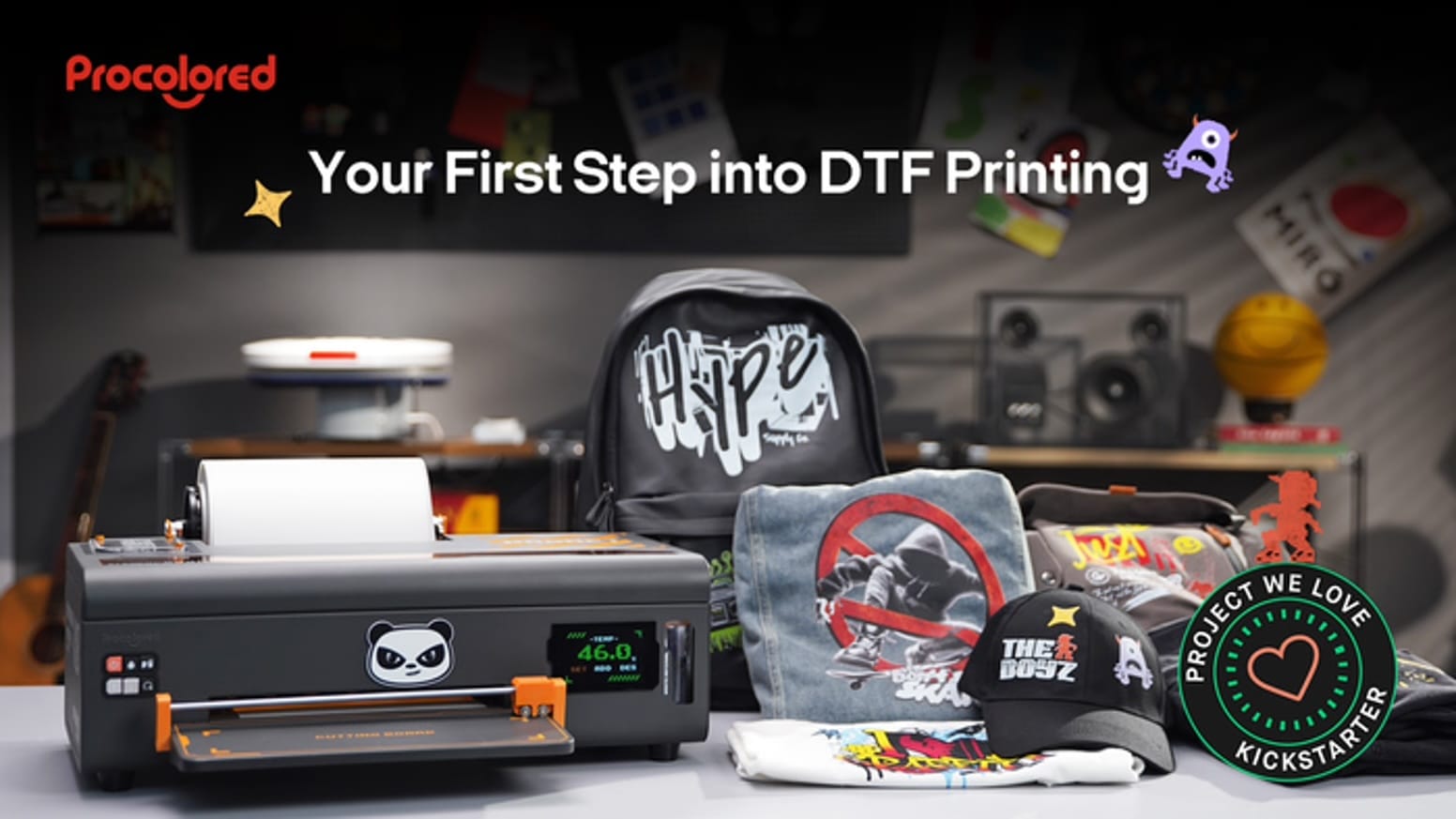
We’ve also seen success in empowering creators, Procolored, a female-driven brand supporting women-owned small businesses. Ultimately, success means helping projects credibly achieve what they set out to do and enabling creators to keep moving forward after the campaign ends.
