Partner Case Study: What It Takes to Actually Build What You Promised
After working with 1,000+ founders, Morpho shares what creators often miss when it comes to building and delivering a product.

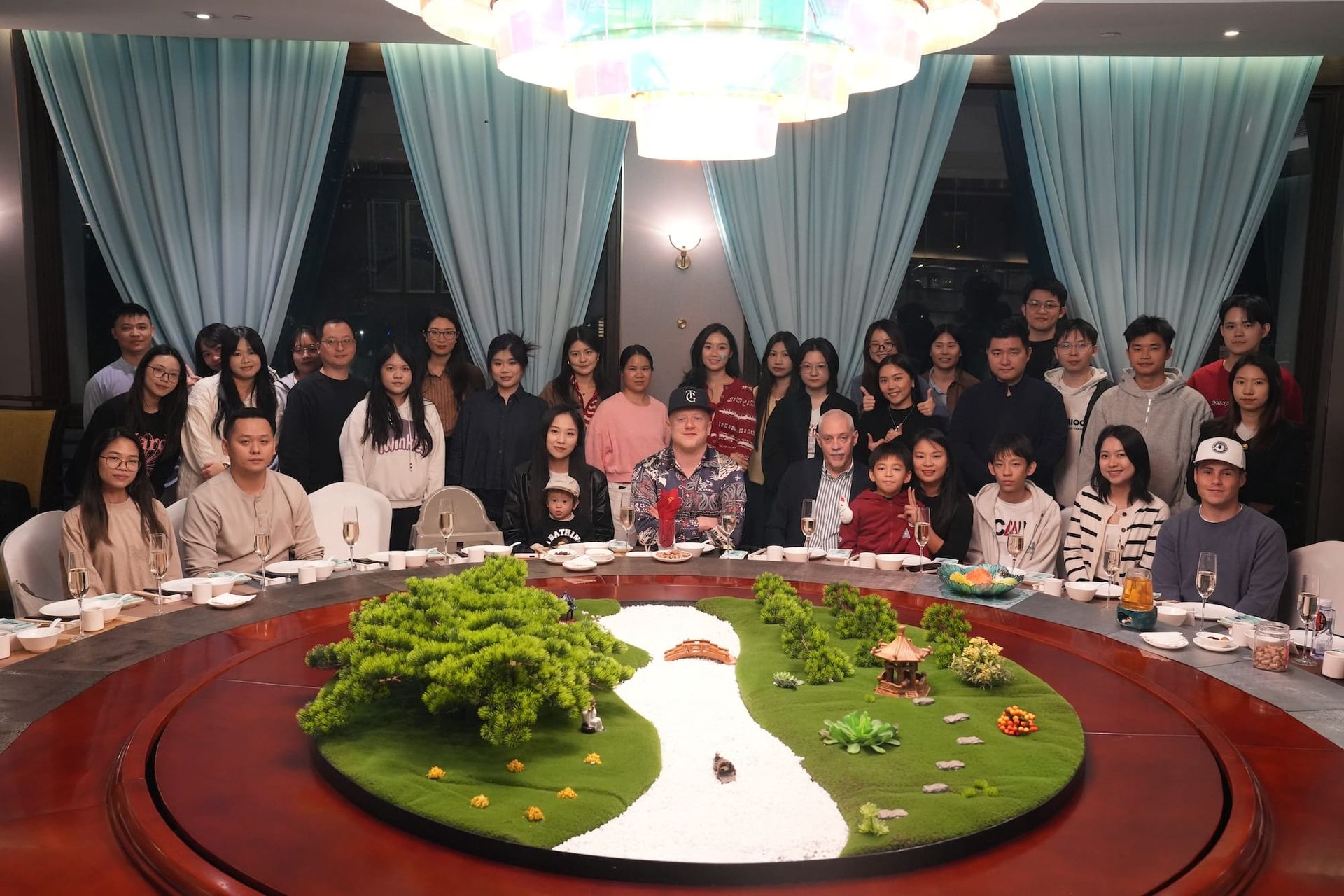
The campaign ends. Champagne bottles are popping. The whole team is celebrating because their idea hit its goal within the first couple of hours.
Yes, they’re sitting on a huge success. But also at an enormous risk.
There’s a question nobody wants to ask in that moment, but it inevitably becomes the elephant in the room once the campaign is over:
Now what?
Money is a promise. A pledge to that idea, that solution, that product. And delivering on that promise is where most hardware campaigns quietly fall apart, especially without a clear roadmap.
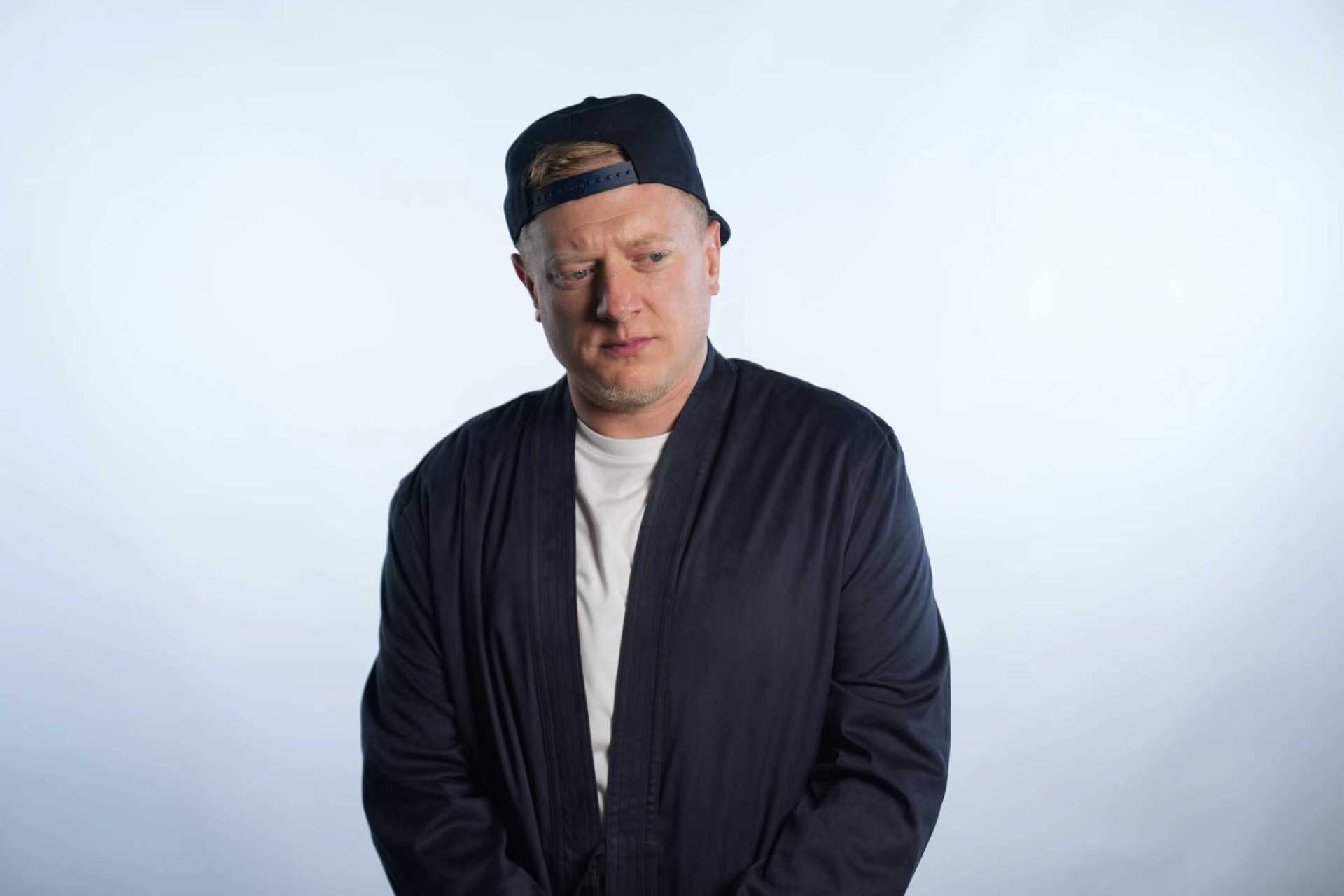
Josh Fairbairn knows this better than most. He learned it the hard way as a first-time founder who lost every dollar he had trying to build his first product in China.
That experience didn’t just teach him the difference between a factory and a true manufacturing partner. It gave him a reason to build one.
He founded Morpho in China over a decade ago. Since then, the company has helped 1000+ founders — from crowdfunding inventors to established companies — navigate the complicated middle between a great idea and a product that actually ships. We sat down with Josh and Kay Ye, Morpho’s COO, to talk about what that middle really looks like.
What's the history of Morpho?
Where did this all start?
Josh: It started with a failure. My failure.
I moved to China from Canada with 500 bucks and a goal: build a product. I spent the better part of two years visiting factories, learning Mandarin, doing anything I could to earn enough money to fund my first idea. I wanted to make headphones. I loved music, I had an eye for design, it made sense to me.
The campaign launched and we raised $20,000 on day one. I had never seen that much money in my life. I got on a bus with a backpack, grinning like a madman. Four hours into the middle of nowhere to pick up my first prototype.
And then, there it was: a terrible prototype. I mean genuinely terrible. I had to cancel the campaign. I had to refund everyone. It was one of the worst moments of my life.
But sitting in that mess, I realized something. There were thousands of people in my exact position, with a real idea and money, but no directions on how to turn it into a real product. I didn't want to go dig for gold anymore. I wanted to sell shovels.
That's what Morpho is.
What business are you actually in?
Morpho is described as a manufacturing partner. Is that accurate?
Josh: Only partly. Factories manufacture products. Morpho builds them.
The difference matters more than people think. When a funded creator comes to a factory, the factory takes their files and makes what they're asked to make. If the design is wrong, they'll still make it. If the tolerances are off, they'll still run it. If the engineering assumptions don't survive contact with mass production, you find out when you're staring at a container of units that don't work.
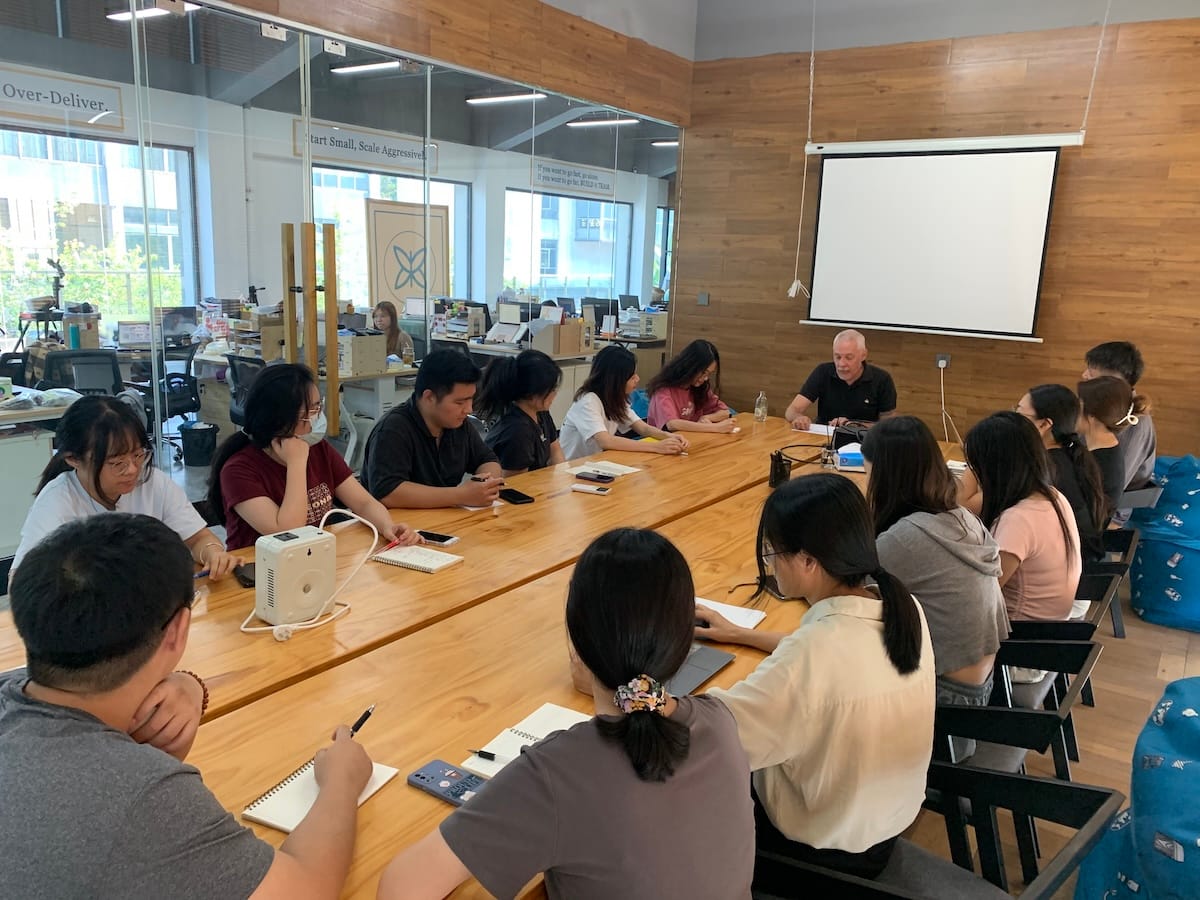
Our job is the difficult middle, between concept and mass production, where most of the real risk lives. That includes industrial design, mechanical engineering, electronics, supply chain architecture, tooling, packaging, and quality systems. We're not just executing a brief. We're protecting the product from the decisions that will kill it.
This is when most founders come knocking on our door desperate. The clock is ticking. They have the money, but for the first time, they’re realizing that they might end up with the same terrible headphones I got. No one clearly lays out the steps you actually need to take in manufacturing. It’s something that you learn in the field. We stay with them throughout the entire process.
Most products fail in the decisions that nobody pushed back on.
I'll be honest with people about things they don't want to hear. That's not popular. But accuracy is more valuable than encouragement. A founder who hears hard truths in month two is in a much better position than a founder who hears them six months after tooling.
What do most funded creators get wrong?
You've worked with over a thousand founders. What's the conversation you have over and over again?
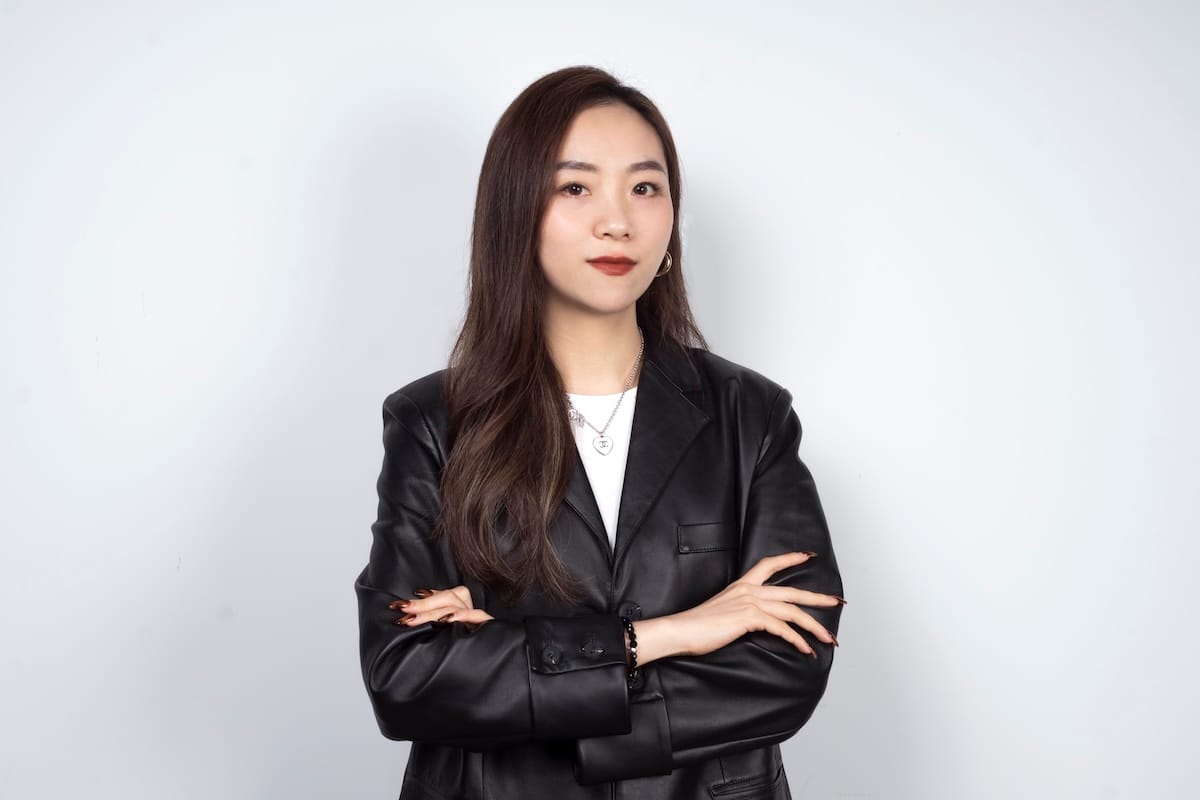
Kay: If I have to pick two: Timeline and Cost: Most founders underestimate how iterative product development actually is. They assume they can go from a working prototype to mass production in a straight line. In reality, every stage introduces new variables - materials behave differently, tolerances stack up, assembly becomes a constraint.
The second big one is feature stacking. Founders try to add everything they think will attract backers: more features, more complexity, without realizing that every feature comes with a cost: more engineering work, more failure points, longer timelines, higher unit cost.
We’ve seen a lot of campaigns where the founder builds a hand-made prototype, estimates cost based on that, launches… and only later realizes what’s actually involved in production, tooling, MOQ constraints, machine setup, yield loss, logistics, QA. That gap between “prototype thinking” and “production reality” is where most problems start.
Is there a specific type of mistake that's particularly costly?
Kay: Once you commit to tooling, you’re locking in the design. At that point, only minor changes are possible. Anything structural becomes: expensive mold modifications, delays (weeks, sometimes months), or in worst cases, scrapping and re-cutting steel.
We’ve seen cases where a product works fine as a prototype, but once it goes into injection molding, parts don’t fit consistently, tolerances stack up, assembly becomes unstable, cosmetic defects show up, the list goes on.
If DFM isn’t properly done before tooling, those problems only show up after you’ve already spent tens of thousands on molds. At that stage, you’re not fixing a design, you’re firefighting inside a locked system. That’s why we always push hard on DFM upfront. It’s the cheapest point to make changes. Once steel is cut, everything gets expensive very quickly.
The BullseyeBore Core Story
Walk us through the BullseyeBore Core campaign. How did Morpho get involved?
Kay: John actually came to us much more prepared than most founders.
He had already spent years refining the product and was very intentional about taking a step back to get the design right before pushing into production. He understood that building a good product takes time.
He had designed the PCB himself, built hundreds of prototypes and set up his own workshop. That level of hands-on work is rare, and it shows how difficult it actually is to get a product right.
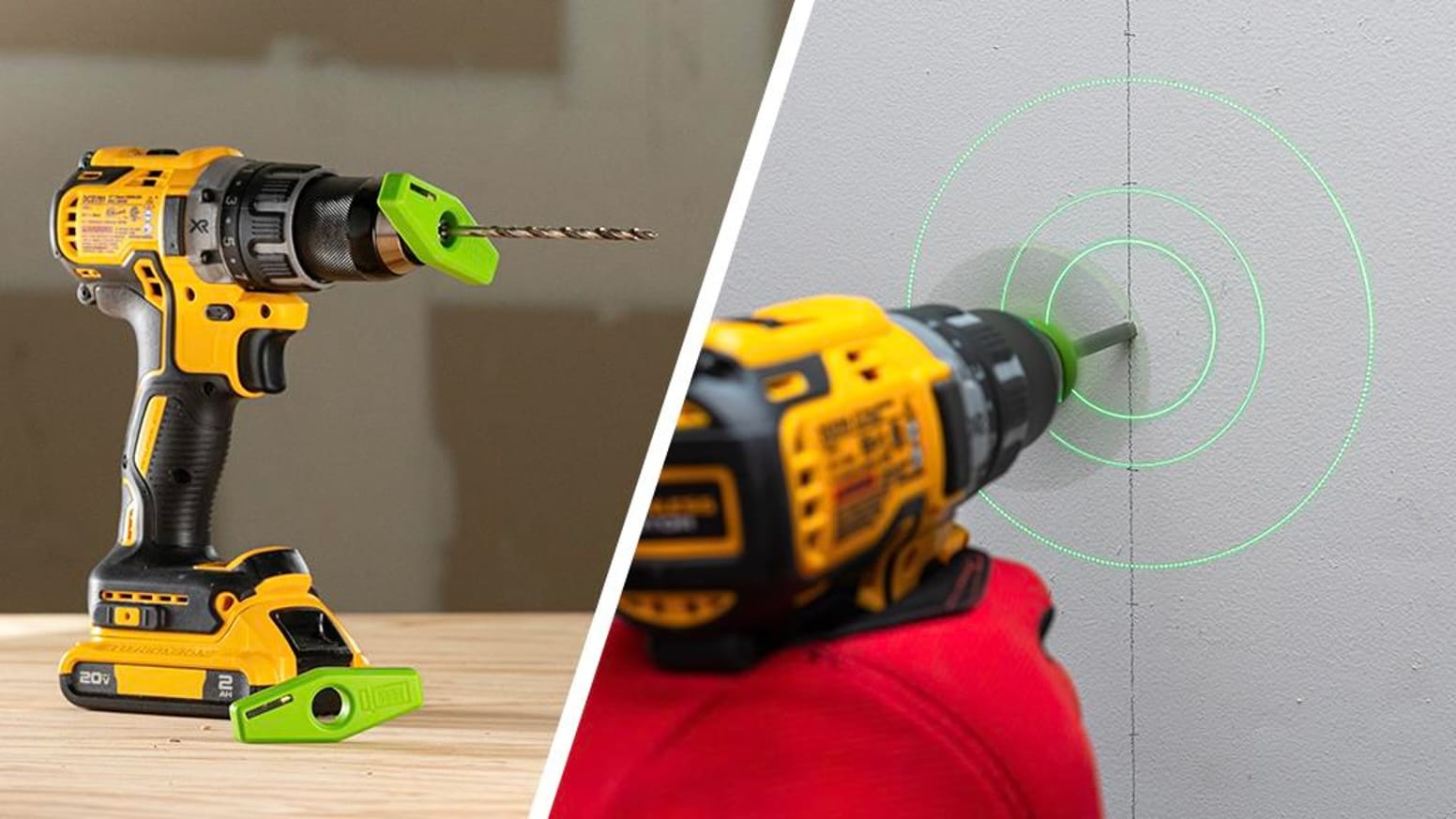
Even though the product looks small and simple, the precision requirements for each component are very high. We approached it by treating each part almost like its own product. A big part of our work was helping translate his prototype-level craftsmanship into something that could be manufactured consistently, assembled reliably and tested at scale.
We also spent a lot of time building out proper production and testing processes, because with a product like this, process is everything.
The product had been through 300 prototypes and 10 years of R&D before it hit Kickstarter. What did that mean for your process?
Kay: Even after DFM, we still had minor mold modifications. In John’s prototypes, he could assemble each unit carefully by hand, using tools like a small brush to apply adhesive perfectly.
But that level of precision doesn’t translate to mass production. You can’t expect every operator on a line to replicate that consistency. So the challenge became: how do we redesign the process so the result is consistent without relying on individual skill?
We worked on redesigning how the acrylic window is fixed, adjusting tolerances to reduce variability and shifting as much as possible from manual work to controlled processes.
That’s a common reality: something that works perfectly in prototyping often depends on time, care, and skill. In production, you need systems that remove that dependency.
The campaign hit its $20,000 goal in 20 minutes. Then it raised $534,000 on Kickstarter. What was Morpho's role once it became clear the scale was going to be that big?
Kay: The reason we were able to scale smoothly is because the groundwork was already done upfront. As mentioned earlier, every component had tight precision requirements. So we approached it very systematically. Each component treated as a critical part, clear assembly standards defined early. On the Component Control Method side, we were very strict with incoming materials. Every key component was inspected and anything out of spec was rejected immediately. Not even “close enough” parts were allowed into assembly. When in QA/QC, issues were flagged early and we worked closely with John on every problem because he knew the product deeply, solutions were often fast.
That collaboration was a big factor - instead of going back and forth, we were solving problems together in real time.
At this scale, you’re not just building products - you’re building a system that can repeat quality consistently.
The Core went on to win the 2024 Red Dot Innovative Product Award, one of the most recognized design honors in the world. It's now sold on Amazon and at bullseyebore.com, trusted by thousands of professionals and DIYers worldwide.
The campaign number is exciting. But the real story is what it takes to ship 8,000 units and have every single one of them work.
Building Morpho's Own Products
Morpho doesn't just work with other founders — you've also built your own brands. Why?
Josh: For a long time we focused entirely on other people's products. That work continues and it's what we do best. But I started to notice something that bothered me.
Even when a product is engineered and manufactured perfectly, it can still fail if the founder makes the wrong calls on the other side. Positioning, pricing, go-to-market. Sometimes we'd build something genuinely excellent and watch it struggle for reasons that had nothing to do with the product. That's a hard thing to sit with.
So we made a decision. We'd build our own. Not to compete with our clients, but to push ourselves further and stay honest about what it actually feels like to do this.
We want to build products that deserve to exist.
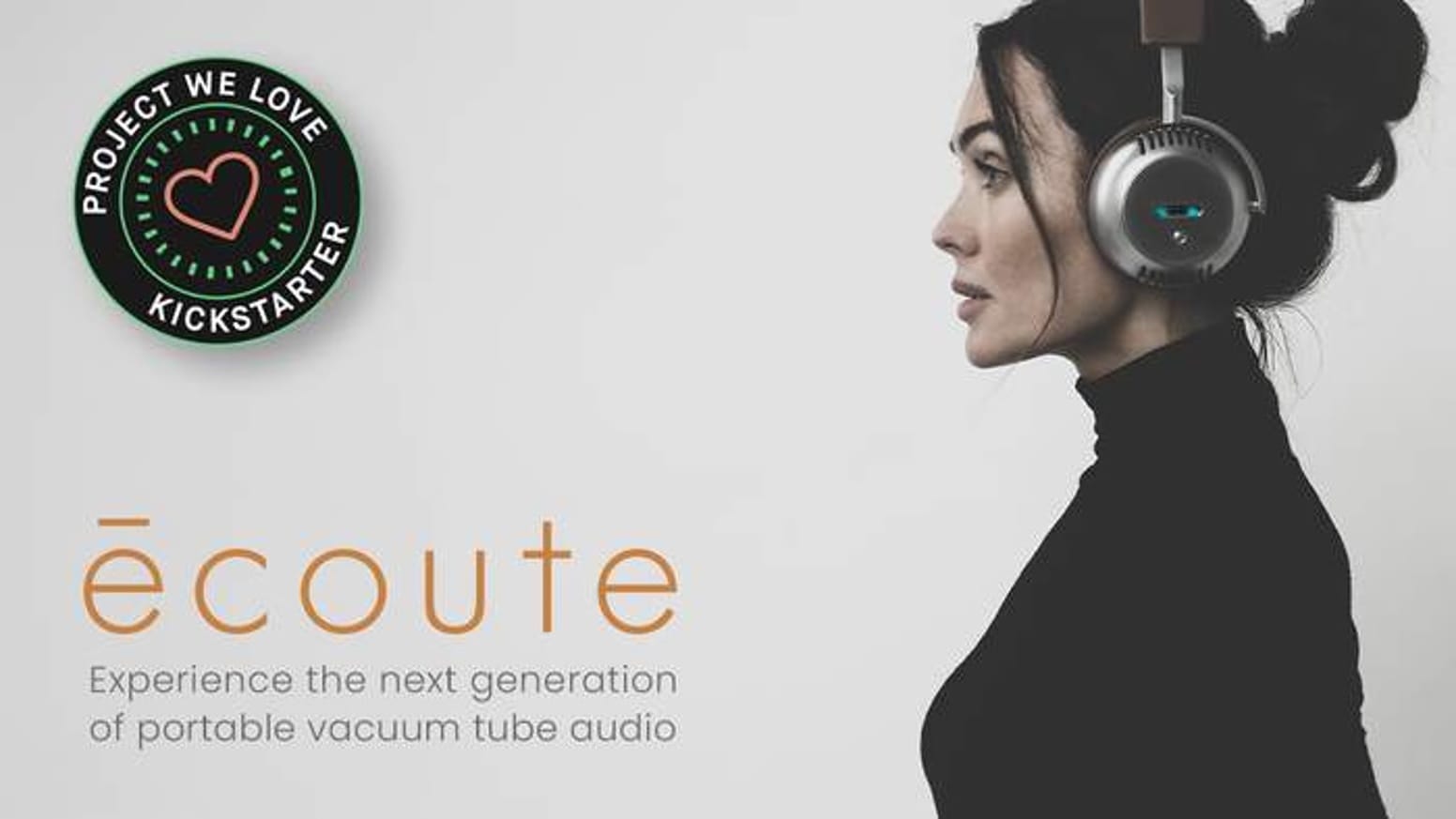
Tell us about écoute. Where the idea came from? How were the campaign and manufacturing process?
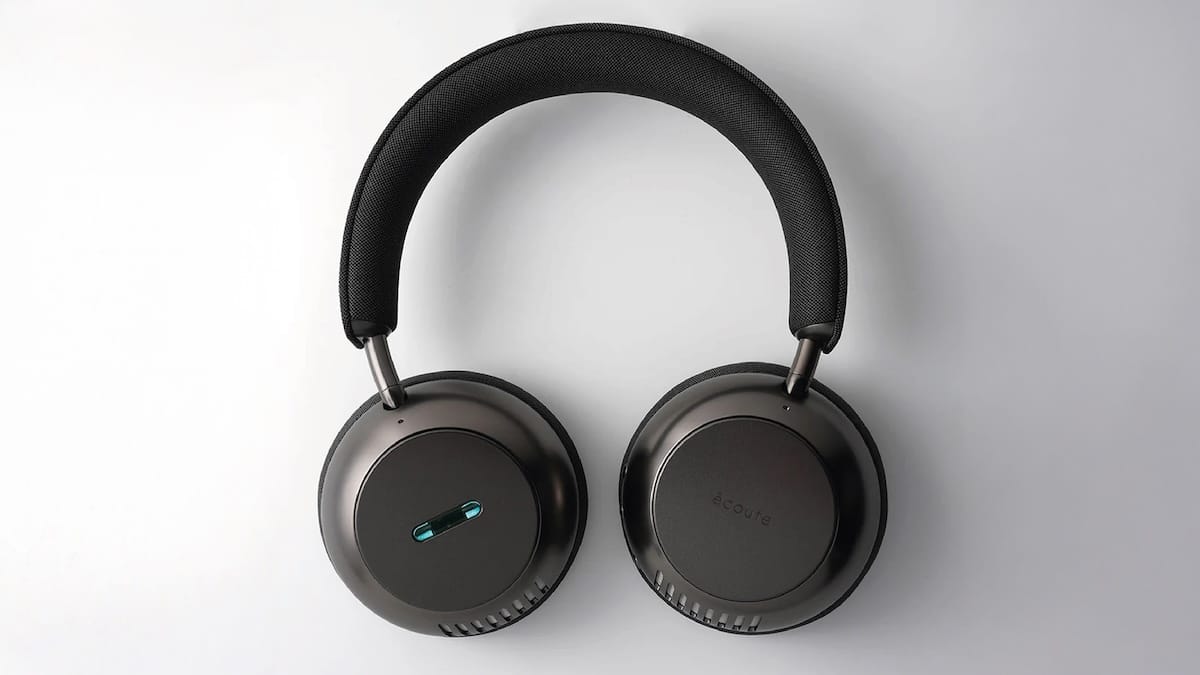
Josh: écoute started with a question: what would a vacuum tube headphone system look like if someone designed it from scratch today, without any of the assumptions the category has been carrying for decades?
With that in mind, me and my co-founder Kendal turned that question into écoute TH1, which raised over $207,000 on Kickstarter against a $10,000 goal. Then we built on it. The TH2 campaign raised over $800,000 – it’s been a success from all perspectives.
The product reinforced something we already believed but it's different when you live it yourself: premium customers notice everything. The materials, the weight, the way the packaging opens. Story and design are not separable. You can't engineer your way out of a product that doesn't have a point of view.
And BrainBlink?
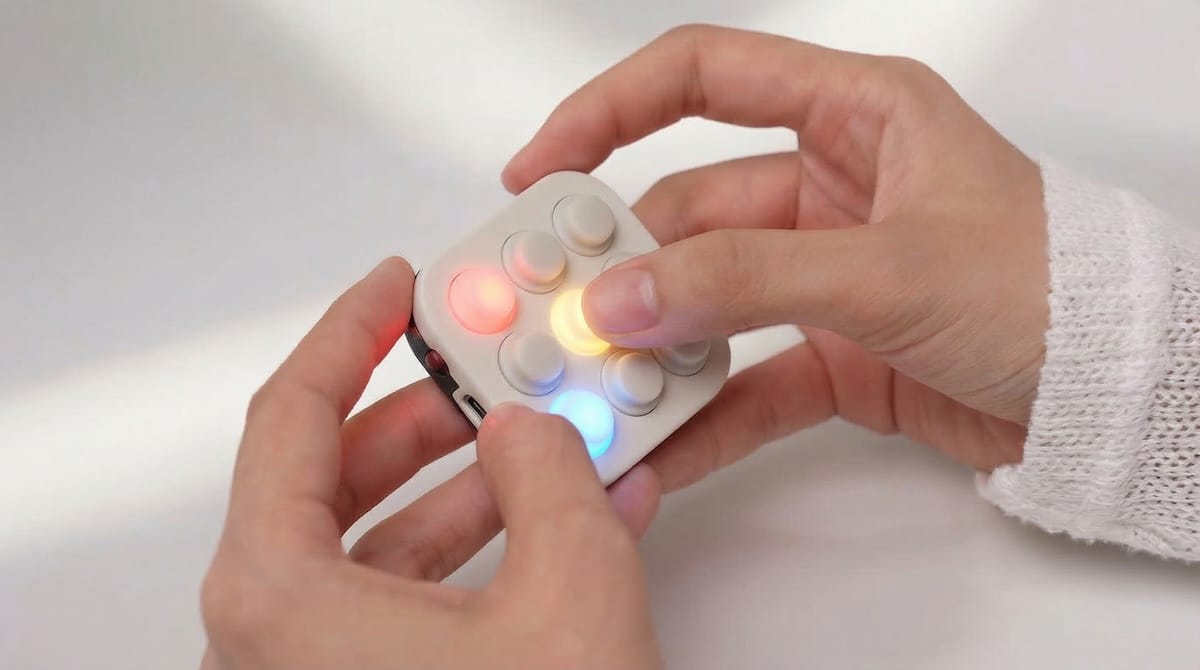
Josh: BrainBlink is a completely different category. We’re talking about a pocket-sized competitive brain game, which was designed with Nicolas Aagaard, one of the founders at LastObject, who is also a long-time customer of Morpho and a major Kickstarter success. It hit 100% funding in under 8 hours and finished the campaign at over 1500% of the goal.
What BrainBlink taught us is that the products that feel the simplest are often the hardest to design well. You look at it and think “it's just a game”. And then you realize the iteration behind that simplicity was enormous. That's true of almost every product we've built. The effortless ones are the most work.
What Does Morpho's Process Actually Look Like?
For a funded creator who's never worked with a manufacturing partner before, what does the Morpho process actually look like from day one?
Josh: We start with a discovery call with our team. A real conversation about where you are, how you're funded, and what success actually looks like for your product. If it's a fit, clients go through a paid onboarding process, which is where the real work begins: a full feasibility review with our engineering and supply chain teams, defining must-haves versus nice-to-haves, and ending with either a quote for prototyping, tooling, and mass production — or a development proposal with clear milestones.
Then we work through design for manufacturability. It sounds technical, but what it means is: we find everything that works on paper and won't survive a factory, before you've spent money on tooling. That phase is where we earn our keep. DFM catches the problems that would otherwise become very expensive surprises.
Tooling, pilot runs, quality standards, mass production, logistics. It's a complete system. The goal at every stage is the same: no surprises at the end.
A factory will make whatever you ask for. We're here to make sure what you're asking for is actually the right thing.
Hard Questions
What's a real mistake — something that went wrong, even if it worked out?
There was a campaign with over a million dollars raised. The founder had spent three, four hundred thousand on design. Beautiful renderings. Genuinely impressive visuals. And none of it was manufacturable.
That's the thing about pretty pictures: they don't have tolerances. They don't have wall thicknesses. A render can show you anything. A DFM file has to survive a factory.
We had to tell him he needed to start from scratch. That's one of the hardest conversations you can have with someone who's already spent that much money and made that many promises. He didn't want to hear it. But there was no other option… because you can't manufacture a JPEG.
The campaign ended badly. And I'm not going to pretend that didn't affect me, because it did.
What it changed for us: we now make sure, from the very first conversation, that a client understands exactly what state their design is in. Is it DFM-ready? Is it close? Does it need to be rebuilt? We tell them the truth regardless of how much they've already spent, regardless of how far along they think they are. Because the alternative is worse. A lot worse.
 Kickstarter
What kind of projects do you turn down?
Josh: More than people might expect.
If a founder is shopping purely on price, we're probably not the right fit. If there's no real differentiation in the product — if it's just a cheaper version of something that already exists — I'll tell them that. If the timeline is unrealistic and they're not willing to hear why, that conversation ends quickly.
We're also not the right partner for founders who want validation instead of truth. I have too much respect for what this process actually requires to spend time telling someone what they want to hear.
There are plenty of companies that can help with commodity products. Morpho is for the highest quality, and often complex products.
What Does Success Look Like?
After 2000+ products and over a decade in China, what does success actually look like to you?
Josh: The campaigns that stick with me aren't necessarily the biggest ones. They're the ones where the founder cared as much about the product as we did. Where they pushed back when we were wrong, listened when we were right, and stayed honest about the tradeoffs.
The goal was never to build the most products. It was always to build the right ones. Products that are well designed. Products that are well engineered. Products that deserve to exist.
When a backer opens a package six months after the campaign ends and the product works exactly the way it was supposed to... that's what we're building toward. Everything else is just the process of getting there.
The campaign is the beginning. What you do after is the whole story.
Morpho is a product development and manufacturing company based in China. Over the last decade, Morpho has helped 1000+ founders through design, engineering, prototyping, tooling, and mass production — and builds its own brands including écoute audio and BrainBlink.