
Post-Campaign Fulfillment Timeline: What Creators Need to Know
Your Kickstarter project successfully funded. So what happens next?

“How long does it take to fulfill a Kickstarter campaign?”
This is one of the most important questions you can ask before you launch your project. And the quick answer is that it usually takes about a year from the day your campaign ends to the day your last backer receives their package.
That timeline holds even for straightforward products with experienced manufacturers. Complex products, first-time creators, or products requiring tooling take longer—sometimes 18 months or even a couple of years.
This isn't pessimism. It's the reality of sequential phases that cannot be skipped or rushed: manufacturing, freight shipping, customs clearance, warehouse receiving, and order fulfillment. Each phase takes weeks or months, and each one depends on the previous phase finishing first.
And if there’s a delay at any point in the chain of events? It pushes back the next steps in the process.
Understanding this timeline helps you make realistic promises to backers, plan your cash flow, communicate honestly when delays happen, and ultimately make good on the faith that backers placed on you when they said “yes” to your project.
Important Note: Every product type is different, so that will change manufacturing, freight, customs, and order fulfillment timelines. As you read this, do so knowing these are general timelines that can and should be updated as you have real information that applies to your campaign.
Why Kickstarter Campaigns Take 12+ Months to Fulfill
When your campaign ends, it’s really exciting! That’s the day you send out a big update, get the email from Kickstarter, and people congratulate you on your success.
Well, here’s the thing: it takes a couple of weeks for credit cards to be charged and for funds to clear. There’s also going to be a bit of back-and-forth with backers whose cards expired.
Then you have to send money to the manufacturer, which is itself not instant. You might need to finalize who you’re working with, sign contracts, and then move the money itself.
The point is, you could spend about a month before things really start “moving.”
From there, it could take several months to manufacture and produce items. Some of that is the manufacturing process itself, and some will be back and forth on samples and specifications. It could take another 2 to 3 months to send your items across the world for freight and then have them cleared through customs. Then when it’s time for order fulfillment, it might take a few weeks for a fulfillment center to receive inventory, process it, and ship it out.
If everything went perfectly, you could be looking at around 9 months to fulfill a campaign if there’s overseas manufacturing involved. And since there are so many moving parts, it’s often more reasonable to think along the lines of 12-15 months because something will cause delays somewhere in the process. You just can’t always know where.
 Brandon Stosuy
Once you zoom out, it helps to think about fulfillment in phases rather than individual tasks.
The timeline below breaks the post-campaign process into rough monthly ranges, showing what typically happens when. It’s not a checklist or a fixed schedule, but a realistic way to map expectations, plan cash flow, and communicate clearly with backers.
Post-Campaign Fulfillment Timeline
Month 1-2: Post-Campaign Wrap-Up
Your campaign ends and Kickstarter will need about 14 days to process credit card charges, plus a few extra days to handle failed payments. During this period, you'll be waiting for funds to clear and dealing with backers who need to update expired cards.
While waiting on funds to clear, you can finalize manufacturer contracts, create detailed production specifications, and get the information you need to transfer deposits to begin the manufacturing process. If you play your cards right, you can have manufacturing begin shortly after the funds clear.
But there’s also a chance you might have some back and forth on contracts before you can start manufacturing. Depending on how much work there is to complete, you may need to even finalize the vendor or vendors you plan to work with first.
Because of these variables, it’s a good idea to think of this early part of the post-campaign phase as taking four to eight weeks. Though bear in mind, if you fund early and you are in touch with manufacturers during the back half of your campaign or during the payment clearance period, you might be able to start manufacturing sooner and put some slack in your timeline early.
 Kickstarter
Month 2-8: Manufacturing & Production
Manufacturing can take a really long time. In fact, it’s not unreasonable to account for this taking six months or more because it’s this stage where many timelines slip considerably.
But first, let’s acknowledge the sheer variability of manufacturing timetables. Board games might take 8-12 weeks for full production runs. Enamel pins are easier, often taking 4-6 weeks from approval to finished goods. Electronics might be closer to 12-16 weeks because component sourcing, assembly, and testing all take time. Add another 4-8 weeks if you need certifications like FCC or CE marking.
If you want to know what the timetable will look like for you, it’s best to ask your manufacturer to give you an estimate and explain why it takes the amount of time it does. And it’s a good idea to cross-reference their timetable with other manufacturers when you ask for quotes, as well as your friends in the industry.
You may have noticed that none of the time estimates above add up to “six months or more.” And that’s for one simple reason—manufacturing is home to a lot of delays. For example, the first 4-8 weeks might be dedicated to ordering and reviewing samples. They need your sign-off before true production can begin. This might take more than one round.
Likewise, if you have changes that need to be made at the last minute (stretch goals and add-ons are frequent reasons for this), that can also slow down production.
And one more thing: if you’re manufacturing in China, you need to be aware of Chinese New Year. It’s a huge holiday there, and it shuts down manufacturing for 3-4 weeks every January or February. If your production window overlaps with this period, add a month to your timeline.
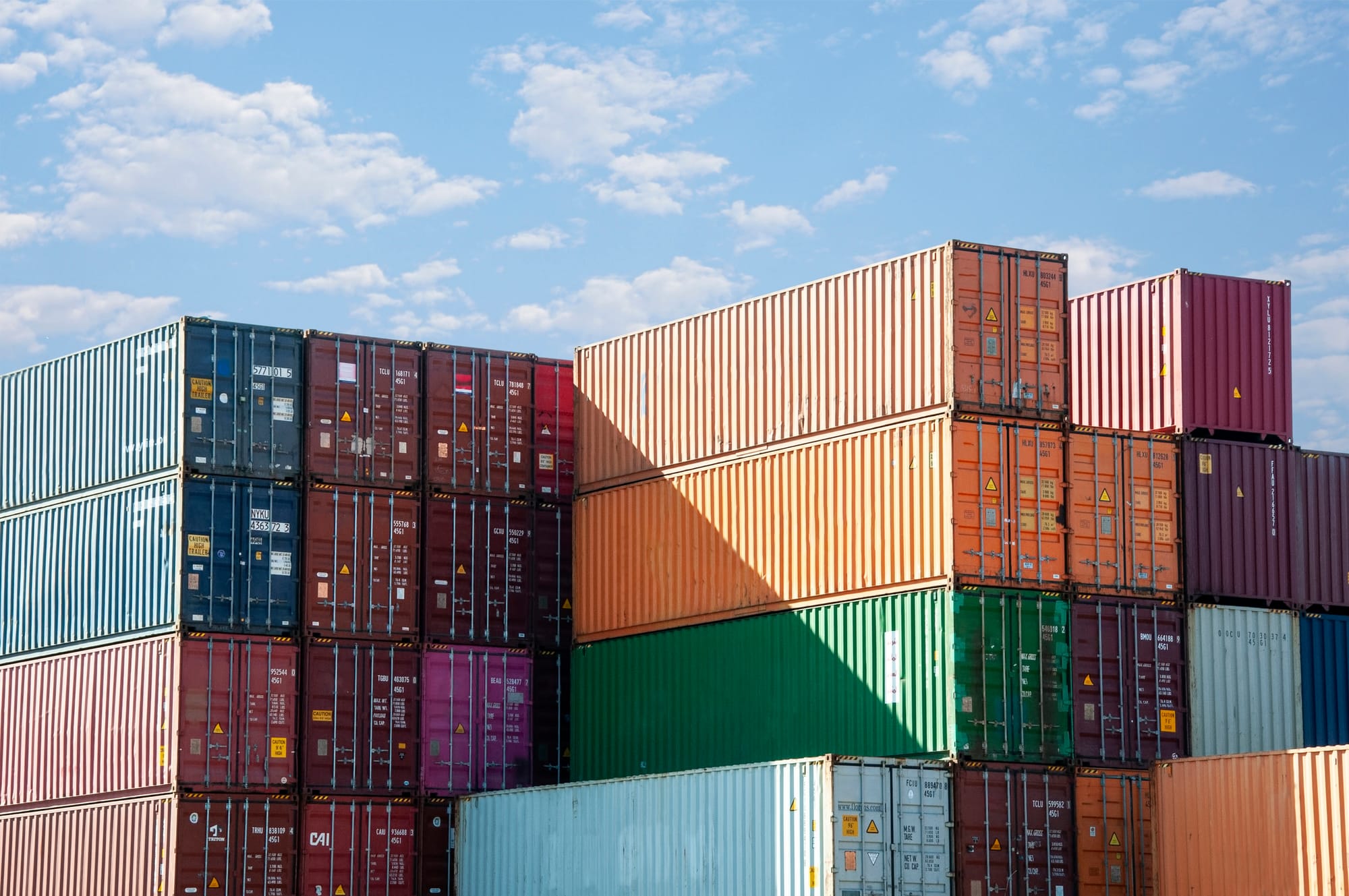
Month 8-10: Freight & Customs
Once production finishes, freight shipping begins. Ocean freight from Asia to the United States takes four to seven weeks depending on destination port. But there can be delays here too—the COVID-19 pandemic caused a lot of them, as did the initial round of US tariffs.
That said, container loading and export documentation take about a week. Transit time from Asia to US West Coast ports runs about 4-5 weeks. Transit to East Coast ports takes about 6-7 weeks.
Once goods are physically moved from one country to another, then they must be cleared through customs. This clearance process typically takes one to two weeks. Customs officers review your documentation, verify the declared value, and assess any applicable duties or tariffs.
Random customs inspections can add two to four weeks. Officers physically open containers and inspect contents. You cannot predict inspections or prevent them, so the best thing you can do is just assume you’ll have one done when you create your public timeline.
You can reduce freight shipping time if you go with air freight, but it costs five to ten times more than ocean freight and only saves three to four weeks of transit time. Because of this additional expense, air freight is generally not a cost-effective option for most crowdfunding campaigns.
Month 11-12: Warehouse Receiving & Prep
Your container arrives at the fulfillment warehouse. Unloading takes one to three days depending on container size and warehouse scheduling.
The warehouse team will then count every unit and verify quantities against your purchase order. This inventory reconciliation can take two to five days. Shortages or damaged goods discovered here require immediate communication with your manufacturer.
Some campaigns need kitting or assembly work as well. So if backers pledged for multiple items that ship together, you’ll need to account for this additional workload. Kitting adds one to two weeks depending on complexity.
If you have a relatively straightforward campaign and work with a fulfillment center that sees a lot of Kickstarter campaigns, getting items in the mail could be done in a matter of days. But if you have a large amount of orders, complex orders, or work with a more generalist fulfillment center, it’s more likely to take a few weeks.
Once items are picked, packed, and turned over to postal carriers like USPS and UPS, then it takes a little longer to reach backers. Domestic shipping within the United States takes two to seven business days depending on carrier and service level. International shipping takes one to four weeks depending on destination country.
Some backers receive shipments before others. This is normal. Warehouses process orders in batches, carriers deliver at different speeds, and international customs adds unpredictable delays.
All this is to say, even after the orders leave the warehouse, it might be a few weeks before all backers receive them.
 Brandon Rollins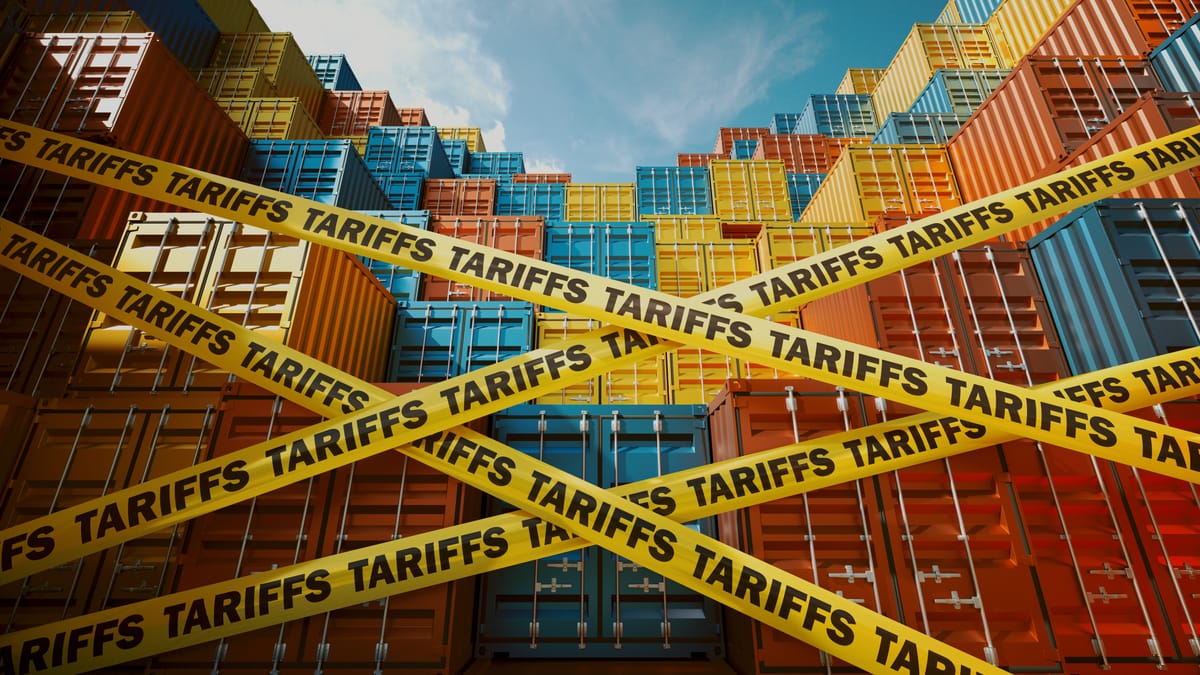
What Causes Delays (And What You Can Control)
You can’t control how busy the ports will be, whether customs will inspect your items on entry, or whether your manufacturer will fall behind on their promises.
But you do have two levers worth pulling.
The biggest one is to try to line up as much of the manufacturing process as possible before funds clear. Finalize your specs as early as you can so that you don’t have to make changes after funding. If possible, order samples in advance and make sure you’ve already vetted for quality before ordering a full run. If you do this, you’ll go straight from funds cleared to production starting without a lot of the back-and-forth that causes delays.
The second is to find a fulfillment center that works with Kickstarter campaigns. Ecommerce order volume is steady, so most fulfillment centers are comfortable with it. Kickstarter order volume comes in huge spikes that have to be sent all at once, and not every warehouse is set up for that. So if you work with a company that is, they’re more likely to move quickly when you need them to.
Beyond that, the best thing you can do is keep your backers in the know. Give specific, detailed updates every 2 or 3 weeks letting them know how it’s going, even when things are a little slow. A slightly boring update is far better than radio silence!
 Brandon Stosuy
Final Thoughts
From the outside looking in, funding looks like the end of a Kickstarter campaign. The reality is that it’s more like the middle, and there’s about a year of work to follow. The whole process of Kickstarter fulfillment takes about that long.
From manufacturing to freight to customs to order fulfillment, each phase is sequential. You can’t start one before the previous ends.
A lot of what happens after you fund is out of your control, so you need to make sure your timeline has some slack in it. But the flip side is that you can buy yourself a lot of the slack you need by communicating with your manufacturer early and working with the right fulfillment center.
Yes, fulfillment takes longer than most first-time creators expect. But thousands of creators successfully deliver campaigns every year by understanding these timelines, building in slack, and communicating honestly with backers.
So in the times where it feels overwhelming, remind yourself: the backers who supported your campaign want you to succeed. Give yourself the time to do it right, and you, like many others before you, can get those rewards into backers’ hands!
Brandon Rollins, MBA, is the Director of Marketing at Fulfillrite, proud provider of order fulfillment you can trust for eCommerce and crowdfunding.
