
The Power of Kickstarter for Established Indie Brands
Established e-commerce brands are turning to Kickstarter to launch what’s next. Here’s why it works.
I've noticed a clear trend at Kickstarter over the past few years: more established brands are launching alongside our core creators and first-time founders.
That is not happening by accident.
The strongest of these brands is not coming to Kickstarter because they have run out of options. They are coming because the platform offers something a self-hosted launch often does not: a clearer way to validate demand, finance inventory with less risk, and create a real moment around a new product.
Just as importantly, they are not leaving their DTC instincts behind. The most successful campaigns apply what brands already know about community-building, launch strategy, paid media, and storytelling, then layer Kickstarter’s built-in momentum on top. That combination is powerful.
I also come to this with some personal bias. Not only do I work on Kickstarter's Design & Tech Team, I launched my first business, Pure Over, with a Kickstarter campaign, and it changed the trajectory of my life. I came to it as a glass artist with a product idea and left on a path toward brand-building, marketing, and operating. So when I see established brands using Kickstarter in thoughtful, strategic ways, I do not just see a trend. I see a platform that still has the power to change what a business becomes, and sometimes who a founder becomes.
 Kickstarter
Why it works for established brands
Better forecasting, grounded in real market data
One of the hardest parts of launching a new product is making inventory decisions before you truly understand demand.
How deep should the first run be? Which variants deserve the most confidence? What reflects real demand versus internal optimism?
Kickstarter replaces guesswork with real purchase behavior before a full production commitment is locked in. Brands are not just collecting emails or measuring vague interest. They are watching customers back specific versions of a product with real money.
That provides a clearer read on variant preference, price tolerance, early SKU velocity, and overall appetite. For SMB brands, especially, that can mean the difference between placing a smart PO and tying up cash in inventory that does not move.
 Kickstarter
Cash flow that aligns with reality
This is especially meaningful for brands trying to scale responsibly.
A strong campaign can fund a meaningful portion of production before manufacturing invoices hit, creating flexibility and reducing the amount of capital committed upfront. It allows brands to move with more confidence, place more efficient orders, and avoid relying on debt or dilution simply to launch a new product.
Kickstarter is obviously a marketing channel. In practice, it is also a practical financial tool.
A concentrated cohort of high-intent early customers
Not all customers enter a brand the same way.
Kickstarter backers are typically opting into more than a transaction. They are buying into the product, the story, the process, and the moment. When brands manage that relationship well, these backers often become one of their strongest cohorts: more engaged, more communicative, and more likely to buy again.
That matters not just for early revenue, but for what comes next. These customers strengthen remarketing pools, contribute to long-term LTV, and provide valuable feedback while the product roadmap is still evolving.
Discounting without conditioning customers to wait
This is one of the more underrated advantages.
Most campaigns rely on early pricing, limited quantities, or tiered rewards to drive urgency. On Kickstarter, those offers are framed as part of a launch moment, not as routine promotion. That distinction protects brand equity more than many teams expect.
 Kickstarter
You can launch the same product with the same creative and marketing, and a Kickstarter campaign will still feel more significant. That difference comes from how the platform works.
It creates a cultural moment
On Kickstarter, momentum is visible. Funding bars move in real time. Backer counts climb. Comments accumulate as the story unfolds. That transparency creates tension and excitement because everyone can see the launch progressing.
On a brand’s own site, outcomes are private. That reduces risk, but it also removes the drama that makes launches memorable.
Social proof builds in real time
Every new backer helps validate the next.
This is different from static reviews or press logos. It is not “people liked this.” It is “people are backing this right now.” That real-time validation builds confidence during the most decision-heavy phase of a launch.
 Kickstarter
External traffic compounds
When brands drive traffic to their own site, outcomes are mostly binary. On Kickstarter, external traffic can do more than convert. It can unlock additional visibility within the platform.
Creator traffic, press, community, and paid media can reinforce one another, compounding momentum once it begins.
Case Studies
To better understand how this plays out in practice, I spoke with several brands that have used Kickstarter strategically at different stages of growth.
Thaan Charcoal
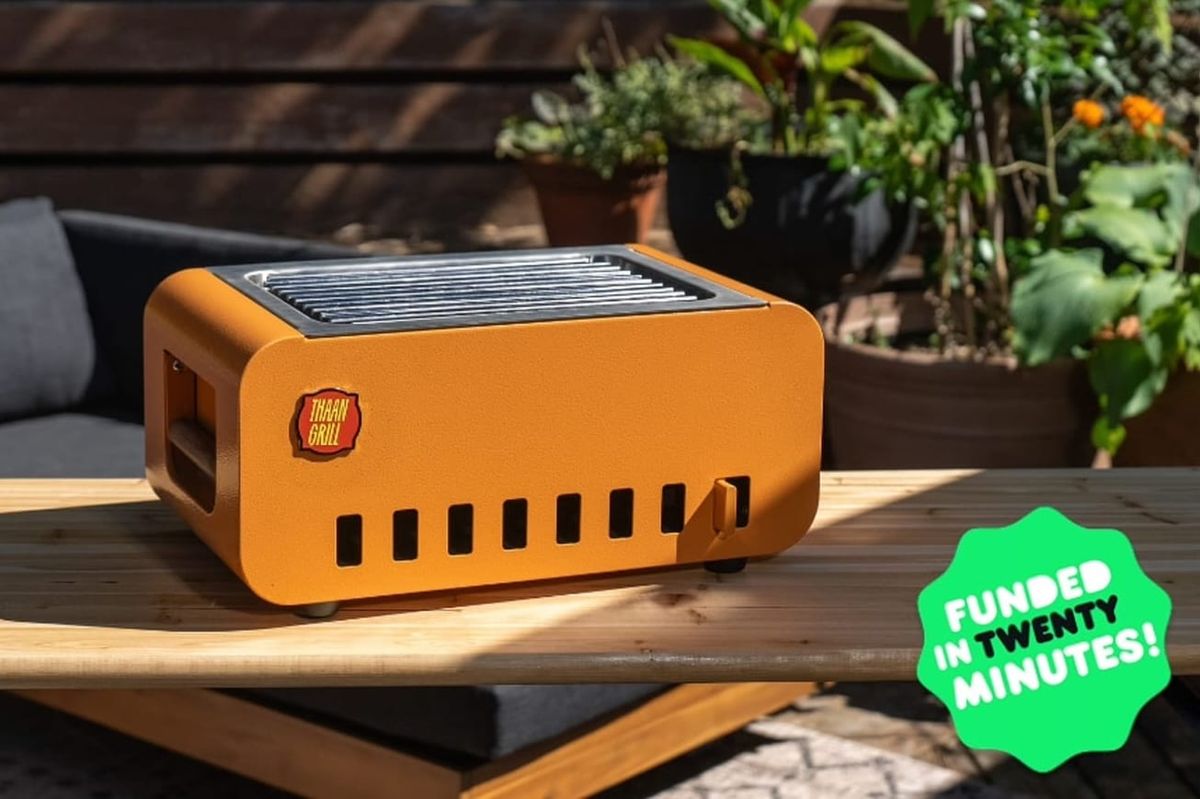
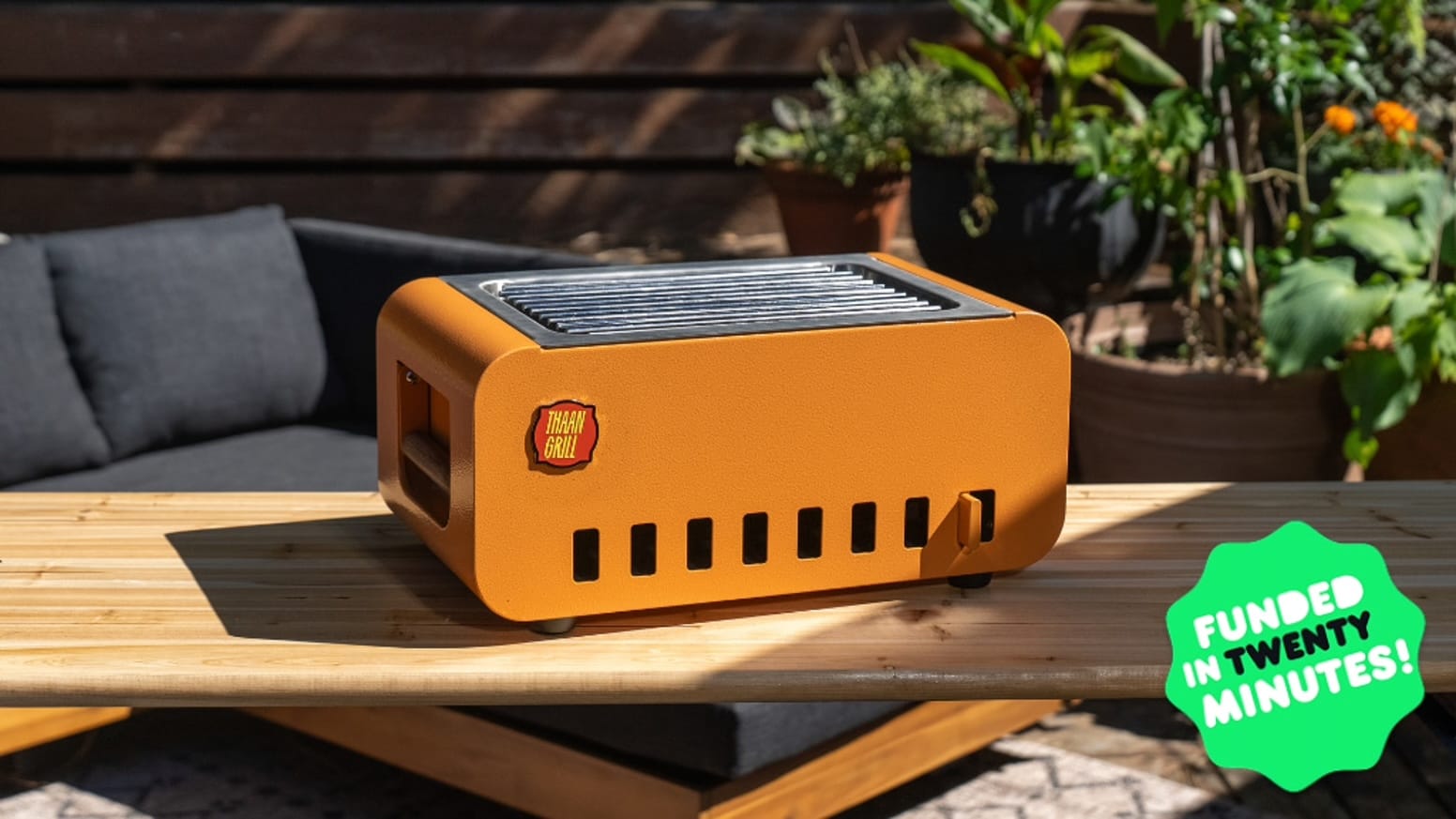
Thaan Charcoal shows how an established brand can expand into a new category without overextending cash flow.
By launching a consumer-facing grill on Kickstarter, Thaan validated demand and funded production upfront. The campaign felt less like a blind bet and more like a controlled test of product-market fit backed by real purchasing behavior.
What they did:
- Launched a consumer-focused grill as a brand extension
• Raised $170K to fund production without debt or outside capital
• Activated an existing customer base to test a new category
Q+A with Toby Roberts, Founder & CEO of Thaan Charcoal
Since you already had momentum as a brand, what made Kickstarter the right place to launch a new product?
We definitely had momentum as a brand, but most of it was in the professional world. We had credibility with chefs and restaurants, but we had not yet built that same momentum direct to consumer.
This was our first product designed specifically for home cooks, so we wanted a launch platform that would allow us to validate demand, test market fit, and learn quickly while building an audience.
Kickstarter was the right fit for that. It gave us a focused way to tell the story, bring early adopters into the process, and make the launch feel community-driven rather than just another product release.
For us, Kickstarter was not about needing help launching a brand. It was about launching a new category within the brand in the right environment with the right early supporters.
How did your existing audience respond to launching on Kickstarter?
Our existing audience responded really positively. We realized we had many fans waiting in the wings for us to design a grill specifically for them.
They were excited from the beginning, and that excitement helped us build a strong audience ahead of the campaign. When we launched, that early support created real momentum right out of the gate.
Brevité
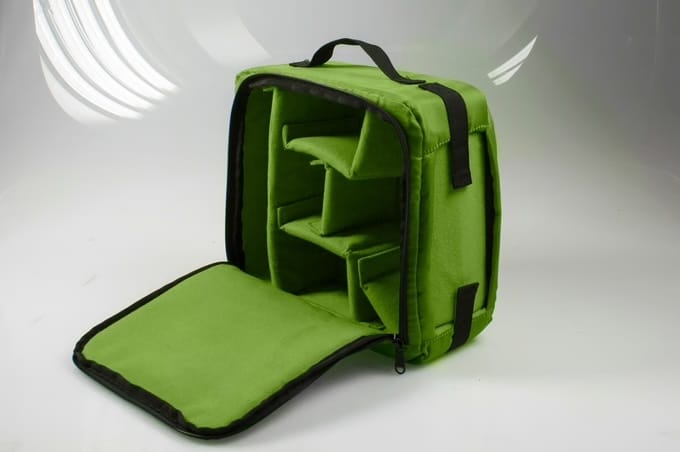
Brevité illustrates how brands return to Kickstarter not to restart, but to create a bigger moment around what comes next.
After launching early campaigns in 2014 and 2016, the company spent a decade building its business before returning to launch the Jumper Max Pro. The goal was not exposure alone, but narrative scale and community re-engagement.
What they did:
- Launched their first backpack campaigns in 2014 and 2016
- Built the business over the next decade
- Returned to launch the Jumper Max Pro
Q+A with Dylan Kim, Co-founder & Head of Marketing of Brevité
When you already had momentum as a brand, what made Kickstarter the right place to launch again?
Kickstarter is where we got our start over 10 years ago, so it's always held a special place for us as a brand. As a company built and run by three brothers, we're always thoughtful about how we bring something new into the world. Even with years of brand-building behind us, launching a new product remains a costly undertaking. Kickstarter helps validate the idea and provides the upfront capital needed to actually bring it to life. It also brings back the original community that backed us. We had 238 initial backers, and they changed the course of our lives. We’re so excited to bring this next product to them.
How are you approaching a Kickstarter campaign differently from a native product launch on your website?
Launching on Kickstarter is nothing like launching a product on your own website. Kickstarter gives you a bigger platform to tell the full story. Our initial launch concept 10 years ago was identical to today: create a camera bag that doesn’t look like a camera bag. We’re excited to share how this has evolved.
We're building a clean, minimal camera bag, but at a pro level. This is a bag made for serious photographers and filmmakers. That's a bigger story to tell, and Kickstarter gives us the space to tell it properly in a way a product page never could. Kickstarter is the venue we want to use for our biggest product launches to bring our community along for the full journey.
What do you want to “prove” publicly with this campaign, and what would success look like beyond dollars raised?
When we first came to Kickstarter, we were college students trying to make a camera bag that didn't look like a camera bag. This is our next step at our most complex bag yet. We want to prove that with a minimalist, design-first approach, you can create something just as functional as the highly technical-looking bags out there, without looking like one of them. That's always been the Brevite belief.
Circular
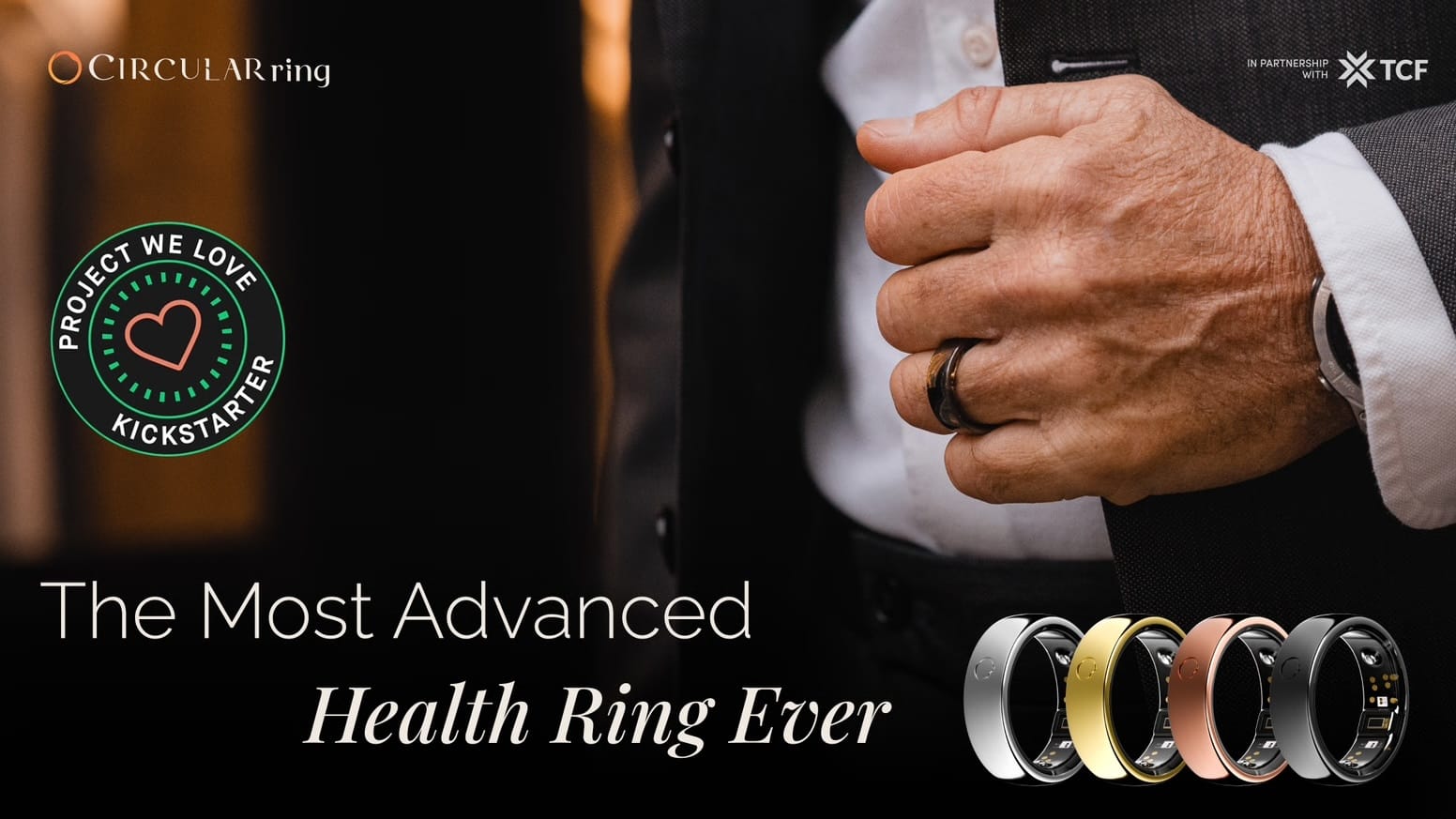
Circular demonstrates how Kickstarter supports ongoing iteration in technically complex categories.
After launching its first smart ring in 2020 and building a loyal customer base, Circular returned in 2025 to launch Circular 2, raising more than $4M and using the campaign to coordinate production with real demand.
What they did:
- Launched the first Circular smart ring in 2020
- Built brand awareness and customer loyalty over several years
- Returned in 2025 to launch Circular 2 in 2025, raising over $4m
Q+A with Amaury Kosman, CEO of Circular
As an established brand in the space, you already had the ability to launch on your own site. What made Kickstarter feel like the right environment for this second release?
We could have launched this on our own site, but it wouldn’t have carried the same weight. On Kickstarter, momentum is visible. The funding bar moves, backers come in publicly, and the story unfolds in real time. That transparency created urgency and credibility that would have been hard to replicate on a self-hosted launch.
How did your approach to this campaign differ from your first launch, especially as a more established brand?
The first time we launched, we were figuring everything out. This time, we treated Kickstarter as a strategic operating tool. We had manufacturing lined up, partners vetted, and assets prepared months in advance. The campaign was a coordinated scale moment built on five years of learning.
How did Kickstarter influence the way you thought about production and cash flow for this launch?
Kickstarter allowed us to fund production with real customer demand instead of loans or dilution. Because we had everything prepared in advance, the moment funds came in, we could move directly into manufacturing. It turned uncertainty into a controlled, data-backed production run.
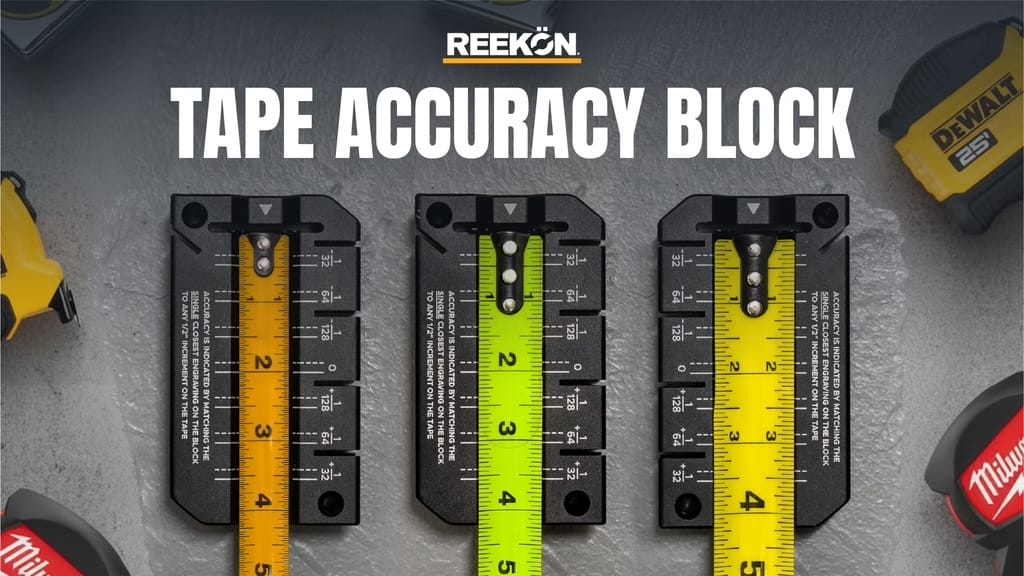
REEKON Tools
REEKON Tools is one of the clearest examples of using Kickstarter as a repeatable launch engine rather than a one-time milestone.
By the time REEKON returned for multiple campaigns, it already knew its customer and category well. Kickstarter provided a better operating environment for complex hardware launches, feedback loops, and community engagement.
What they did:
- Founded in 2014 with a focus on digital-first measuring tools
- Launched its first campaign in 2020 (M1 Caliber)
- Returned for multiple launches, building a base of repeat backers
Founder, Christian Reed, now serves on the Kickstarter Community Advisory Council
Q+A with Christian Reed, founder + CEO of REEKON Tools
When you already had momentum as a brand, what made Kickstarter the right place to launch again?
Kickstarter is unequivocally the best place to grow a community, even as an existing brand. Customers appreciate the behind-the-scenes look and the chance to be part of the process of making something new, from prototype to production, and we often hear them brag to their friends that "they supported it on Kickstarter first." It also helps set expectations very well with customers about a product timeline, rather than launching a product months in advance on a traditional e-commerce site, which would create much more confusion and require much more support.
How did using Kickstarter change the way you thought about demand, production, or launch timing compared to a traditional rollout?
Kickstarter supports what we are always striving for – getting an MVP out the door and customer feedback as soon as possible. While they may not be massive in physical size, every one of our products has undergone both hardware and software changes based on feedback we received on Kickstarter that would not have been possible if we had only revealed the products at launch. User testing only gets you so far, and having a community that is intrigued with the process and supporting it gives much better feedback (along with putting money where their mouth is) than the general feedback you might get from one-on-one testing.
Final Thought
For established indie brands, Kickstarter is clearly more than a place to launch a first product. Increasingly, it is a deliberate environment for what comes next. It helps brands validate demand, fund production efficiently, deepen community relationships, and create launch moments that carry meaning.
None of that changes Kickstarter’s core ethos. If anything, it reinforces it. At its best, Kickstarter remains a place where new ideas enter the world and where people show belief in them early. As more established brands launch thoughtfully here, that dynamic does not diminish. It strengthens the ecosystem by bringing in new backers, attention, and energy, while continuing to support the independent creators, inventors, and artists who have always been at its center.
