How To Start a Business With A Successful Kickstarter Project
The founder of Xeric Watches explains why Kickstarter's been essential to the growth of his company and its bold, unconventional, retro-futuristic timepieces.

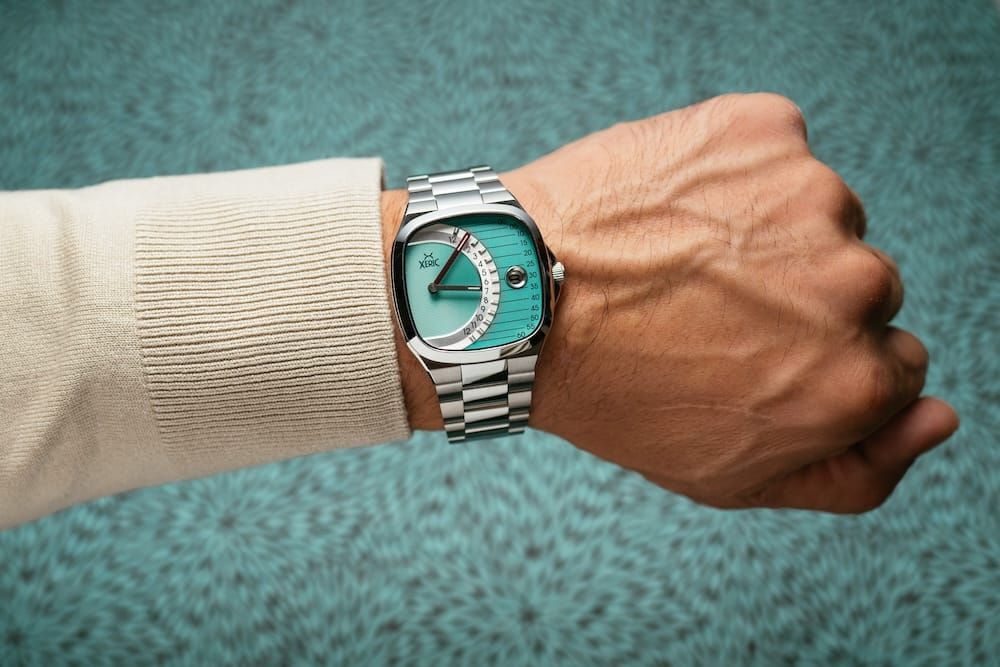
Mitch Greenblatt's fascination with watches began long before he launched his well-known timepiece company, Xeric. Greenblatt, whose background is in illustration, got his first vintage watch in 1998, which led him to dig deeper into retro timepieces.
After years of collecting, he decided to create watches of his own. In 2013, he launched Xeric with his brother Andrew and collaborator Danny Hunsaker, kicking off the first of more than 30 successful Kickstarter campaigns.
Today Xeric is a successful company run by Mitch along with Andrew, Danny, and Tyler Little (who joined in 2014), and they attribute much of their success to Kickstarter. As Mitch put it: "It’s become much more than a way to fund a launch. We’ve built a collaborative community of longtime watch collectors, enthusiasts, and people discovering watches for the first time. That ongoing relationship has helped shape what we make and allowed us to keep taking creative chances."
We caught up with Mitch to ask him some questions about his history as a collector and designer, what keeps him inspired, and what brought Xeric to Kickstarter in the first place and why they've kept returning.
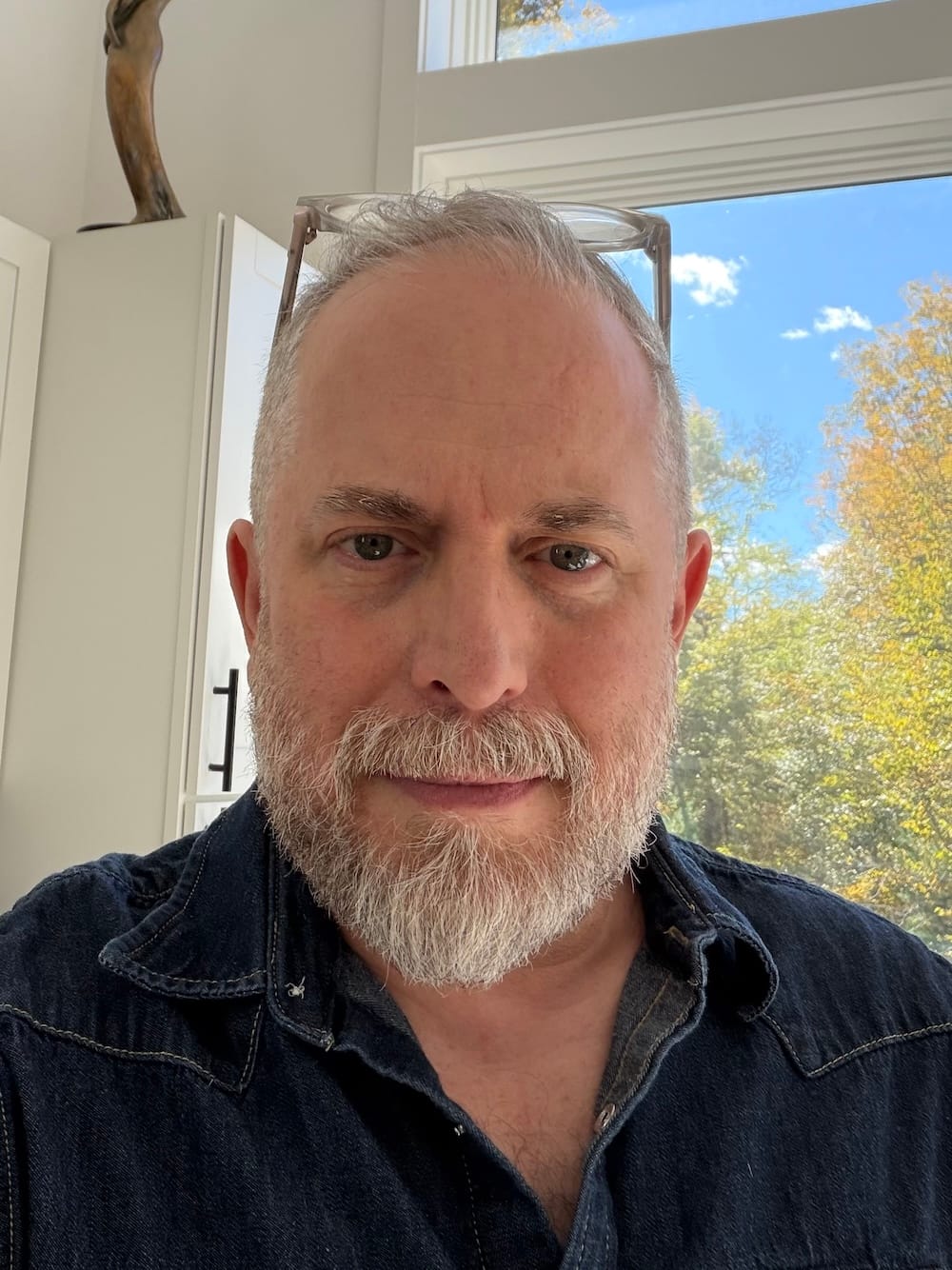
Can you give some background on your starting point and the path that led you here?
My background is in illustration, and before that I worked in the art departments of television shows and low-budget horror movies. I did everything from making props for Pee-wee’s Playhouse to creating album artwork for Cypress Hill and illustration work for Absolut Vodka. Watches weren’t on my radar at all.
That changed in 1998, when I was exploring Portobello Road Market in London. I came across these unusual vintage watches that I had no idea existed. Something about them really connected with me—maybe memories of my childhood, maybe just the aesthetics of the ’60s and ’70s. There was one in particular that I couldn’t stop looking at, but it was my last day in London, I was heading to the airport, and I’d run out of cash. I had to leave it behind.
It still kills me that I didn’t write down the name or even remember the brand. But that watch I couldn’t buy ended up changing the direction of my life.
This coincided with the early days of eBay, so I started searching and discovered this whole world of strange, space-age watches. There were early digital watches and mechanical watches that displayed time through little windows or rotating discs. They looked like artifacts from somebody’s idea of the future.
I became fascinated by that period of experimentation: the optimism of the space age, the ingenuity, and sometimes the desperation as traditional watchmakers tried to keep up. Many of those brands didn’t survive, which made the watches feel like relics of a lost era.
One design I became particularly obsessed with was the Spaceman. Its designer came from outside watchmaking, which really appealed to me. Here was someone approaching a watch with a completely different imagination.
Finding information took some digging. This was the early internet; you couldn’t just type something in and find the whole story. I tracked down the designer’s son, who eventually pointed me toward a factory in Switzerland that still had original, unsold watches in storage. These designs had fallen out of favor in the ’70s and sat untouched for decades.
I started acquiring these unworn watches, and what began as an obsession became a business selling new old stock on eBay.
Then I connected with an editor at Vogue. She told me, essentially, “You have all these amazing watches. If you had a website, we could feature you in our September 2000 issue.” That was a pretty good incentive to figure out how to build a website.
I hired someone to build a simple website, and Watchismo was born. I hadn’t set out to start a watch business—I was just following my curiosity, with each discovery leading to the next. Over time, that fascination grew into a desire to create watches of my own.
What first drew you to Kickstarter?
Pebble was what first caught my attention. It was a smartwatch, so very different from what we wanted to make, but seeing the response made me think, “Maybe we could try this with a design of our own.”
Through Watchismo, we’d already built a business introducing people to unusual vintage and modern watches. We had a core group of customers who shared our taste, and that was essential. Kickstarter gave us an opportunity to bring those people along while reaching a whole new audience—people who might be interested in design or new ideas but didn’t necessarily consider themselves watch collectors.
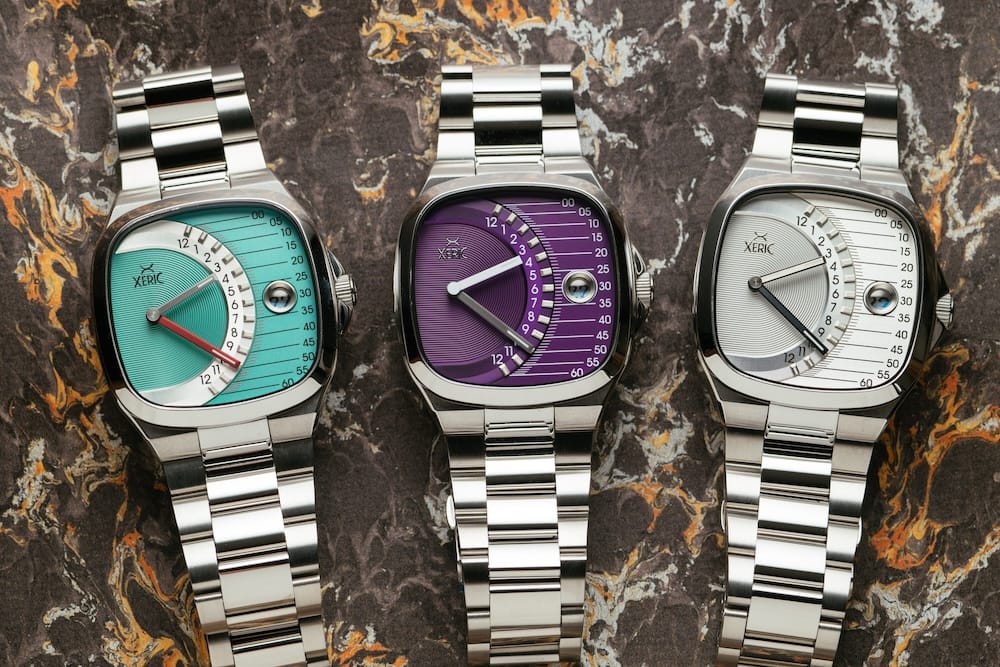
We wanted to create a mechanical watch that looked different and told time differently. Kickstarter gave us a way to explain the idea, find out whether people connected with it, and fund production. For an unusual watch, being able to show how it works is everything. Someone might look at it and think, “I could never read that,” but once you demonstrate it, their reaction becomes, “Oh, that’s actually really simple.” We wanted to make telling time fun. Making it harder was never the goal.
We launched the Xeriscope in November 2013, and 1,148 backers pledged $444,370 to bring it to life. That response really lit the fuse for us creatively. Suddenly, these ideas had somewhere to go, and there were people excited to see what we would come up with next. It gave us the confidence to keep exploring.
Why have you kept returning?
We’re entering our 14th year of launching projects on Kickstarter, and we still have plenty of watches we want to bring there. The people who back our watches are adventurous, and we like to think we are too.
We’ve never wanted to create one watch and build our whole identity around it. We love the freedom to keep exploring—to make a variety of unusual, affordable watches, whether that’s a mechanical watch or a custom quartz display that does something unexpected.
Each campaign lets us share a new direction with people who have followed us for years, while introducing Xeric to people discovering us for the first time. Having an established brand doesn’t make that any less exciting. We still want to know whether something we’ve spent so much time developing connects with someone else.
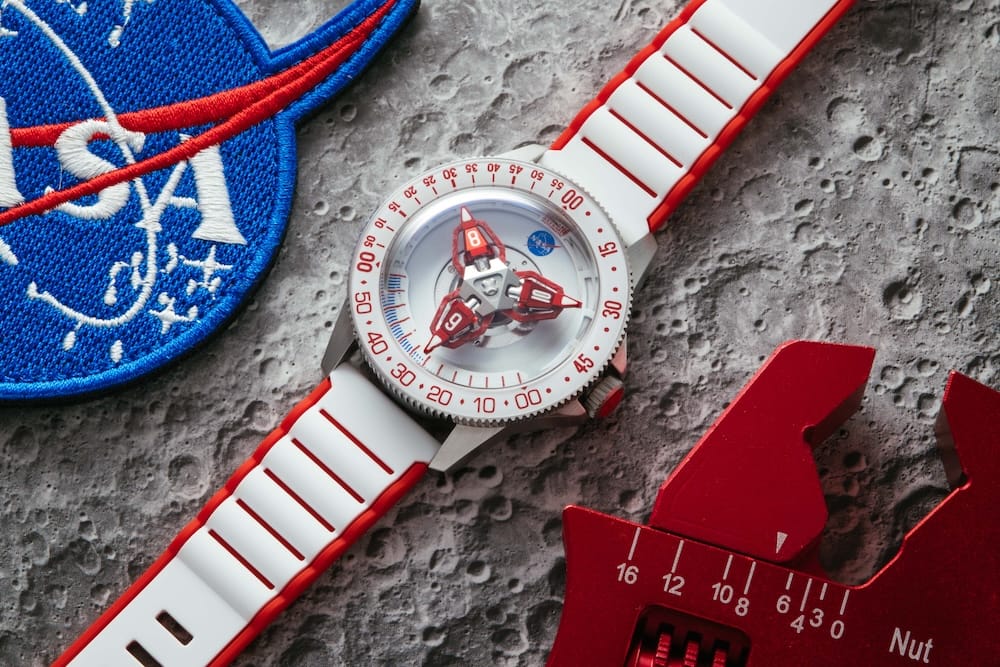
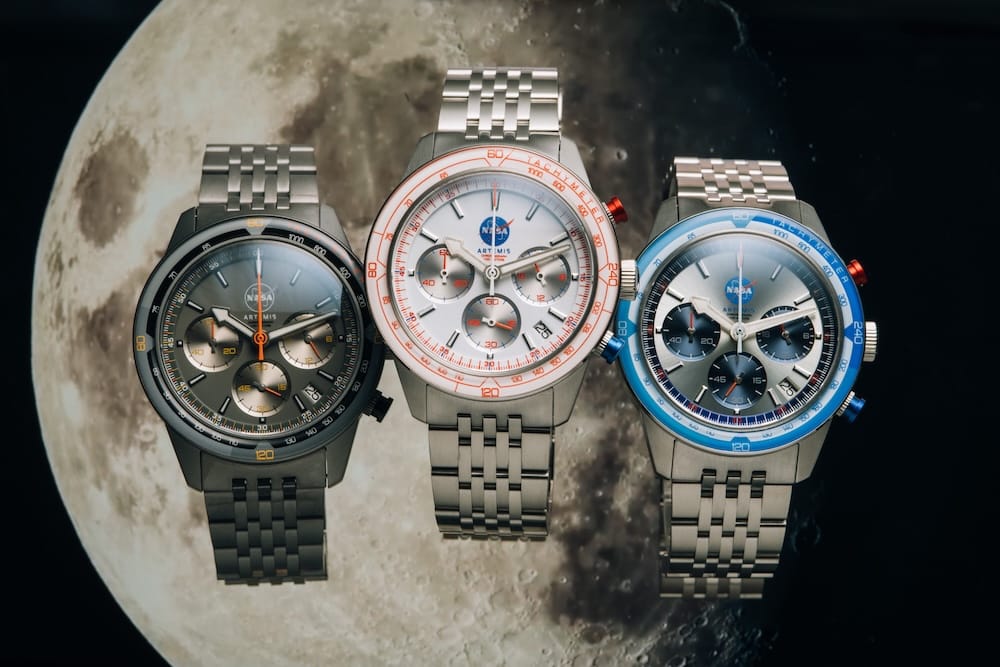
Sometimes the response goes far beyond what we imagined. Our NASA-approved Trappist-1 watch was one of those moments. It had this cupola-inspired window looking into a luminous starscape, with hour and minute indicators that looked like little planets moving through it. It was simple to read, but visually unlike anything else we’d made. We thought it would appeal to a niche audience, but the 2019 campaign drew 17,974 backers and raised more than $5.4 million. That showed us how far beyond the usual watch audience an idea could reach.
And frankly, we keep returning because it works. Backers get our best pricing by committing early, and we get a clearer understanding of demand before going into production. Their support helps make these watches possible, so we want there to be a real benefit to coming along with us from the beginning.
How has Kickstarter allowed you to keep experimenting and taking chances?
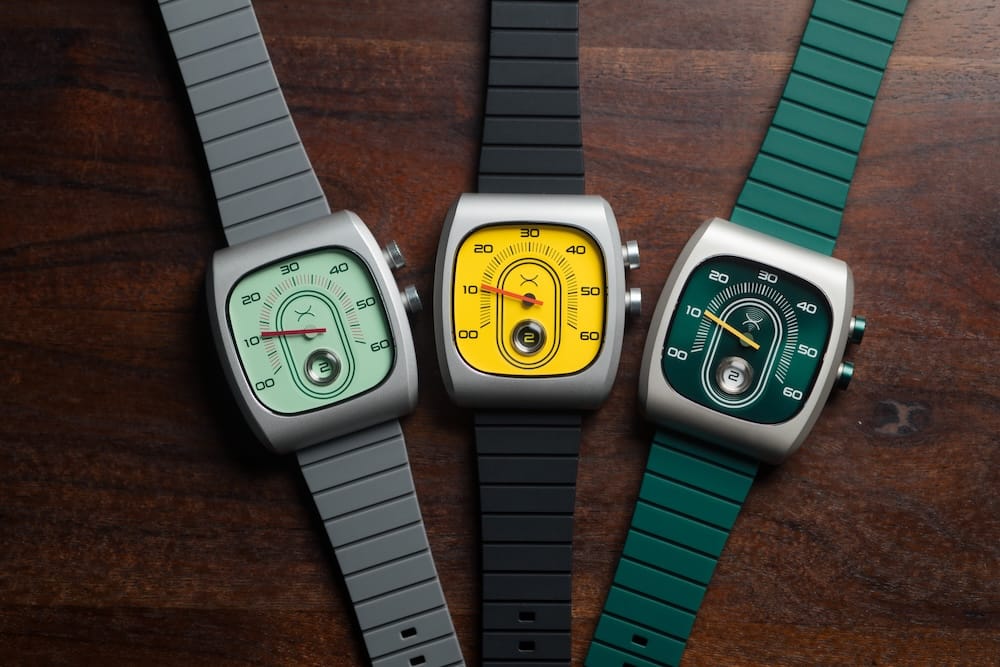
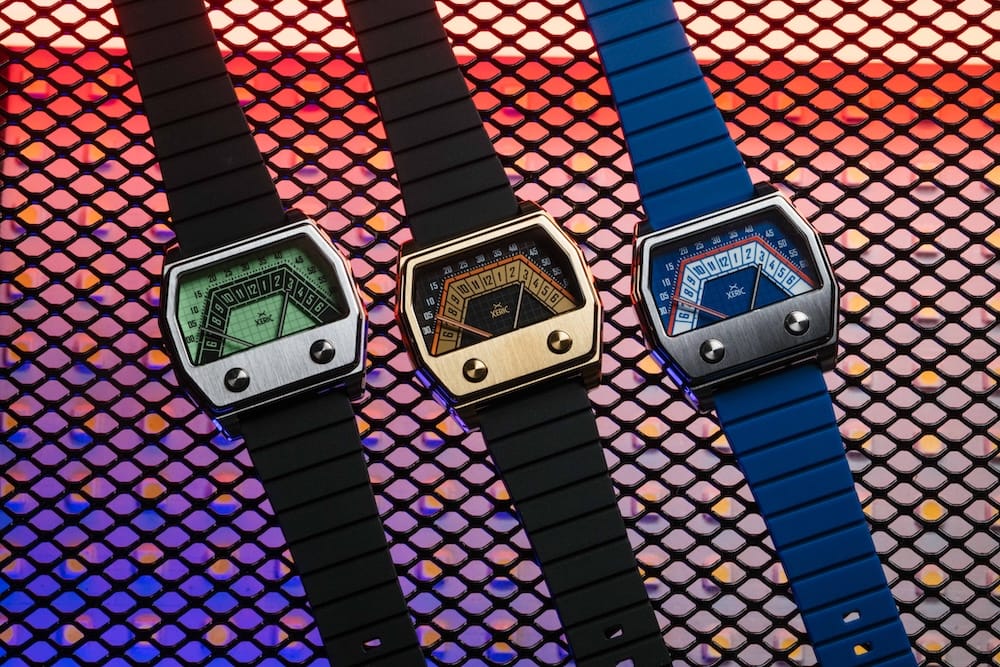
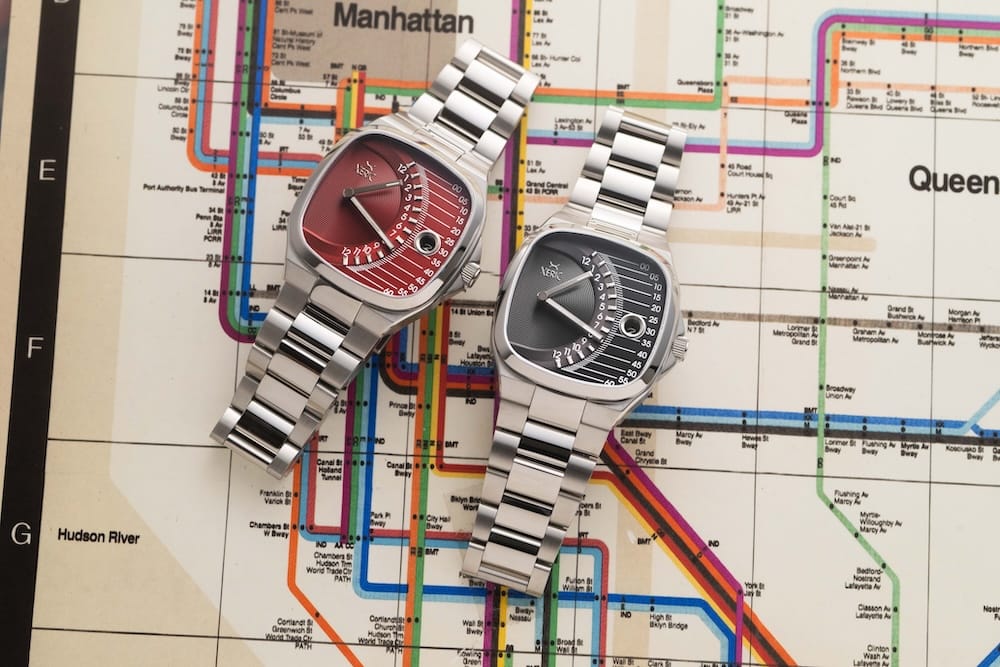
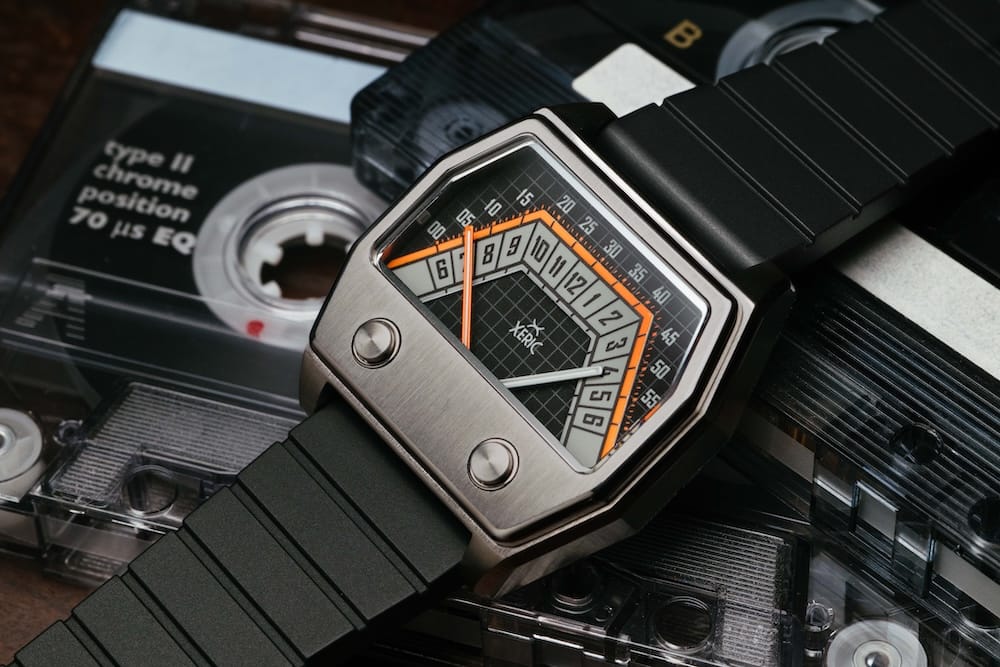
Making a physical product gets expensive quickly. Development, tooling, production—you’re committing a lot before you know how people will respond. Kickstarter helps us understand that demand and gives us the confidence to take chances on something unusual. We’re constantly exploring ways to display time—wandering hours, jumping hours, retrogrades—but that experimentation extends to every part of the watch, from the case to the crown to the buckle. At the same time, we’ve learned to appreciate restraint. You can have an unusual way of telling time and give it a simple, considered design that makes it easy to understand and enjoyable to wear. The Volta Double Retrograde is a recent example. We took the feel of an ’80s dashboard and built a watch around a custom quartz display. Its 2026 campaign attracted 4,304 backers and raised $911,048. That response gives us confidence to keep exploring beyond the mechanical watches we started with. A watch doesn’t have to appeal to everyone. We just need to find enough people who are as excited about it as we are.
Why do you think Xeric has done so well on Kickstarter?
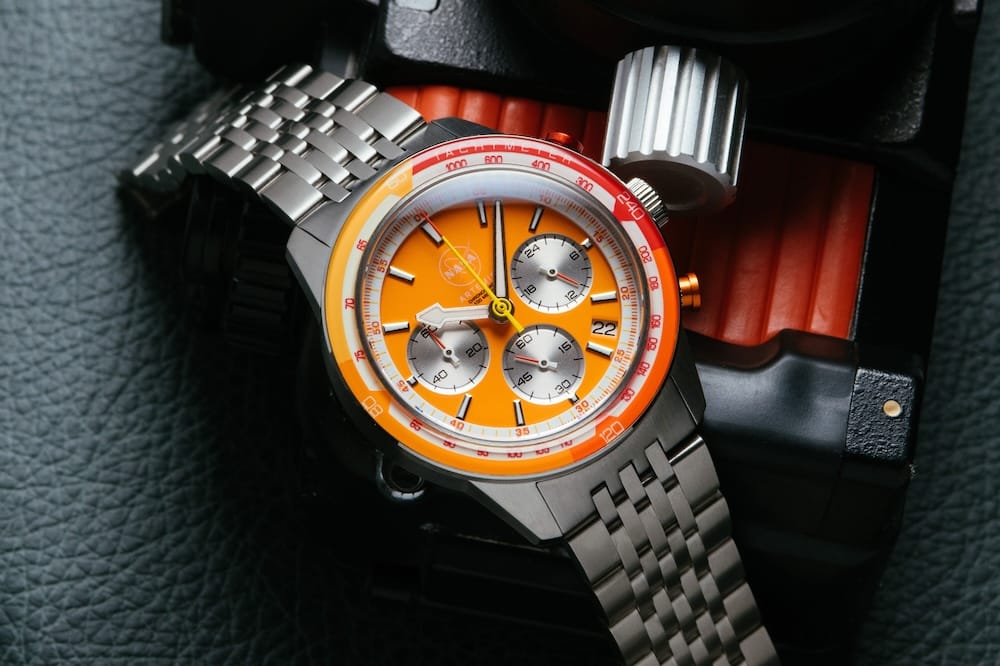
Our watches give people something to discover. You see one and ask, “How does that tell time?” That curiosity draws people in, and then they discover that something so unusual is actually approachable—both in how it works and what it costs. You don’t have to be a watch collector to connect with what we’re doing.
But we think the biggest reason is what happens when the watch arrives. We take that very seriously. We want someone to open the box and feel they got something even better than they expected. A compelling story might convince someone to back your first campaign, but the watch itself has to give them a reason to back the next one.
That’s how you build trust over time. Every new project means earning it again. We’ve now run more than 30 campaigns, and we’re proud that people keep coming back and putting their confidence in us.
How has connecting with backers impacted Xeric? How important is community to what you do?
It makes the whole thing much more personal. A watch can spend a long time as a sketch, a prototype, or a conversation within our team that starts with, “What if we did this?” Once we share it, we get to hear what people notice, what excites them, and what needs a better explanation. An idea we’ve been developing together becomes something other people connect with.
That feedback has shaped the watches themselves. Backers asked for sapphire crystals, custom rotors, and different hands—details we took to heart and carried into our watches. We found our voice partly by listening to the people backing us.
Then we meet those people at watch fairs, wearing a watch they helped us bring to life. Some have been with us since the first campaign. Others come over and tell us about their collection of Xeric watches. That’s been one of the most satisfying surprises of this whole experience. In the beginning, we just hoped people would want to wear the watches we were making. We hadn’t really imagined people would collect them.
Over the years, a lot of those backers have become friends of the brand—people we recognize, look forward to seeing, and hear from regularly. They share their watches, introduce friends to us, and tell us what they think. Those relationships are a big part of what keeps this exciting for us. We get to see where these ideas end up and meet the people who’ve made them part of their lives.
Where does collaboration fit into your process?
It’s in everything we do. An idea might start with me sketching alone in my studio, but it really takes shape once I bring it to the team. Andrew brings the business perspective, Danny brings watch manufacturing experience, and Tyler brings photography and video expertise. Our watchmakers help us work through what’s possible. I lead the design, but getting that idea onto someone’s wrist takes all of us.
Sometimes the watch we start making isn’t the watch we end up making. We hit a roadblock, someone sees a different possibility, or a practical limitation pushes us toward a better solution. Other times, we put something on the shelf until we can look at it with fresh eyes. We’re comfortable questioning each other, and we work through those differences because we all care about what we’re putting out.
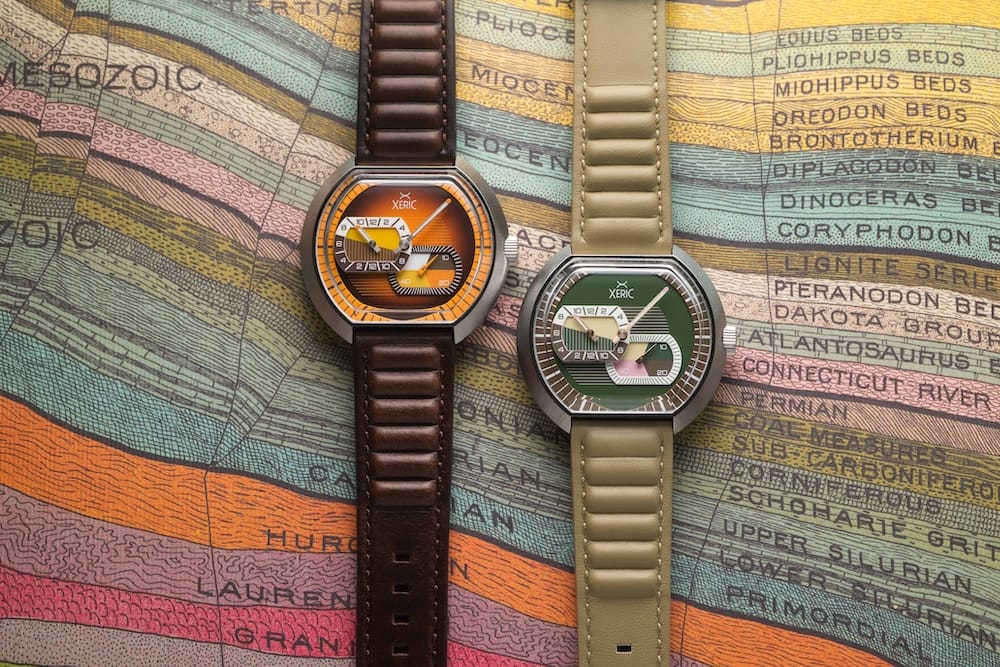
The Omnigraph is a good example. We held onto that design for a while because we weren’t sure it felt “Xeric enough.” It was closer to a traditional three-hand watch, but with our own approach to the display. Eventually, we decided to put it on Kickstarter and see how people responded. The enthusiasm gave us confidence to explore a direction we’d been hesitant about.
So that conversation extends beyond our team to our backers, too. And working with another designer adds another perspective—you see something through their eyes and arrive at ideas you might never have found on your own.
What makes the team work is that we each bring something different, and the watches are better for it.
What are your biggest suggestions for first-time Kickstarter creators?
Give people a clear reason to care. What are you making, why should it exist, and what brought you to this point? Show it working, explain it simply, and let people see your enthusiasm. Your story matters because you’re asking someone to believe in an idea and in your ability to bring it to life.
Start finding those people before you launch. You can’t depend on Kickstarter to supply your entire audience. Share your sketches or prototypes, talk about what you’re developing, and create a page where people can sign up to hear when it’s available. We’ve found that having people who are already interested and want to be the first to know makes a real difference. You don’t need an established business to start building those relationships, but you do need to put in the work.
Do your homework on production costs, timelines, shipping, and what could go wrong. Our biggest campaign was followed by the pandemic, which disrupted production and delivery and left us with thousands of backers waiting for their watches. That was incredibly challenging. You can’t anticipate everything, but you have to be prepared to work through problems and keep people informed while you do.
Once someone backs you, communication becomes part of what you owe them. Answer the comments and messages. Share progress, and if something goes wrong, explain what happened and what you’re doing about it. Those difficult updates matter just as much as the exciting ones. People have put their confidence in you, and how you handle a setback can determine whether they ever come back.
What has this work taught you about yourself?
It’s taught me that the curiosity that made me a collector is still what drives me as a designer. I’m still looking for something I haven’t seen before. Now I get to be part of a team that turns those ideas into watches.
It’s also made me more comfortable trusting my own taste and putting unusual ideas out into the world. You don’t always know how people will respond. When someone connects with something you weren’t sure anyone else would understand, it gives you confidence to keep exploring.
I’ve also learned that trusting my taste doesn’t mean every idea is ready. Sometimes it needs more work, or someone else needs to question it. Being able to stay excited about an idea while being willing to change it has been a big part of learning to design watches.
What do you view as success?
Success is being able to keep doing this: supporting our team, making watches we’re proud of, and having the freedom to explore the next idea. The numbers matter because they make that possible. But so does meeting someone who tells us they’ve owned one of our watches for years and still enjoy watching the display change. Knowing that something we made continues to give someone that little moment of enjoyment means a lot.
We want to keep taking our ideas further. Being different for its own sake has never been the goal. We like approaching a new watch almost as if we’ve never made one before—questioning what it could look like, how it could work, and what would make it worth wearing. Success means having the room to keep asking those questions and the ability to turn the answers into something real.
It’s hard to know what would have happened without Kickstarter, but it’s played an essential role in getting us here and allowing us to continue. We’re grateful that there’s a place where we can share an unconventional idea and find people who want to help make it happen.
You can learn more about Xeric's story here: