
Meet SideQuest: A Community Effort to Bring Tabletop Crowdfunding Back to Basics
SideQuest is proving that successful Kickstarter campaigns can be small, affordable, and easy to deliver.

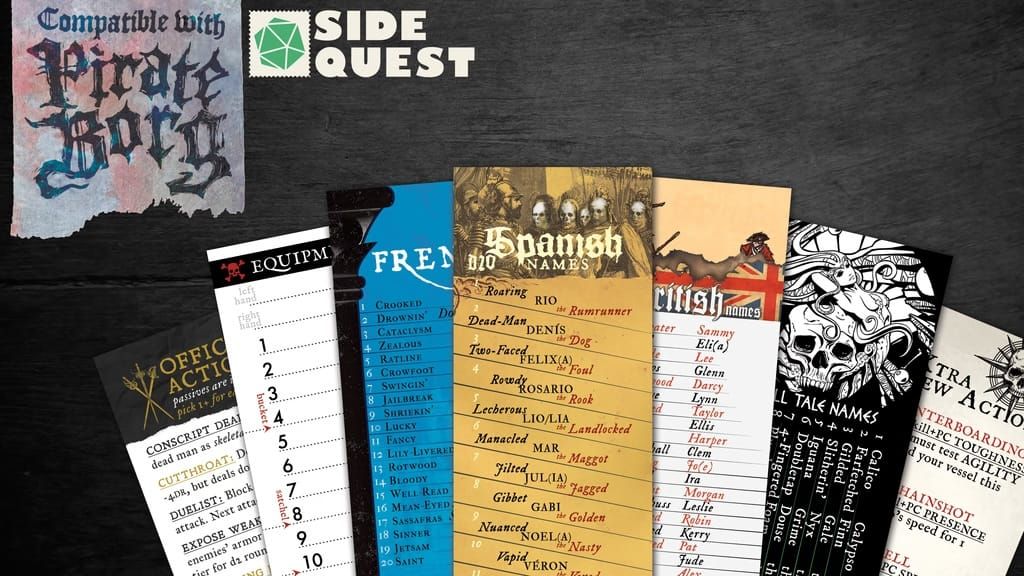
As tabletop crowdfunding campaigns have grown in scale, they've also become more complex. SideQuest is an experiment designed to prove that successful Kickstarter campaigns don't have to be massive. They can be small, affordable, and easy to deliver. This year's SideQuest runs from July 14 through August 1, bringing together dozens of tabletop campaigns built around that philosophy.
We caught up with SideQuest organizer and Kickstarter creator Zac Goins, who has managed more than 75 tabletop crowdfunding campaigns, to learn why he's encouraging creators to embrace constraints, collaborate more closely, and rediscover the joy of making something small. (Note: SideQuest is starting as a predefined set of projects, but you can reach out to Zac for future iterations.)

Where did the idea for SideQuest come from?
I've managed about 75 tabletop crowdfunding campaigns over the past few years. During that time, I've watched the average pledge climb higher and higher, with many projects now well over $100. At the same time, running a campaign the "right" way has become increasingly complicated, from pre-launch marketing and polished campaign graphics to elaborate pledge managers and worldwide fulfillment.
As useful as those tools are, they also scare off a lot of creators and make every project more exhausting for those of us in the trenches.
SideQuest grew out of a desire for a friendly revolt—a back-to-basics approach that encourages creators to simplify their campaigns with two-week funding periods, affordable rewards, shipping included during the campaign, and no pledge managers.
Why put constraints on creators instead of giving them total freedom?
Total freedom breeds bloat. Too many options can be overwhelming.
A few thoughtful constraints won't hurt the creative process. Instead, they can help new creators navigate crowdfunding with more confidence while keeping experienced creators from overcomplicating their projects.
The biggest goal isn't that every project funds, though I think that's likely. It's that everyone who funds is able to deliver on time and within budget.
"SideQuest grew out of a desire for a friendly revolt—a back-to-basics approach that encourages creators to simplify their campaigns with two-week funding periods, affordable rewards, shipping included during the campaign, and no pledge managers."
What problem in tabletop crowdfunding are you trying to solve?
I want creators and backers to come away with easy wins.
Creators have the opportunity to make something small and relatively inexpensive to produce. Their costs stay manageable, and my hope is they finish the experience feeling energized and more confident that they can create without a massive team or budget.
As a Kickstarter Superbacker myself, I also know how frustrating it is when projects face long delays or never arrive. SideQuest is designed to give backers projects that are inexpensive, already close to completion, and quick to fulfill. If everything goes according to plan, supporting these campaigns should feel really fun.
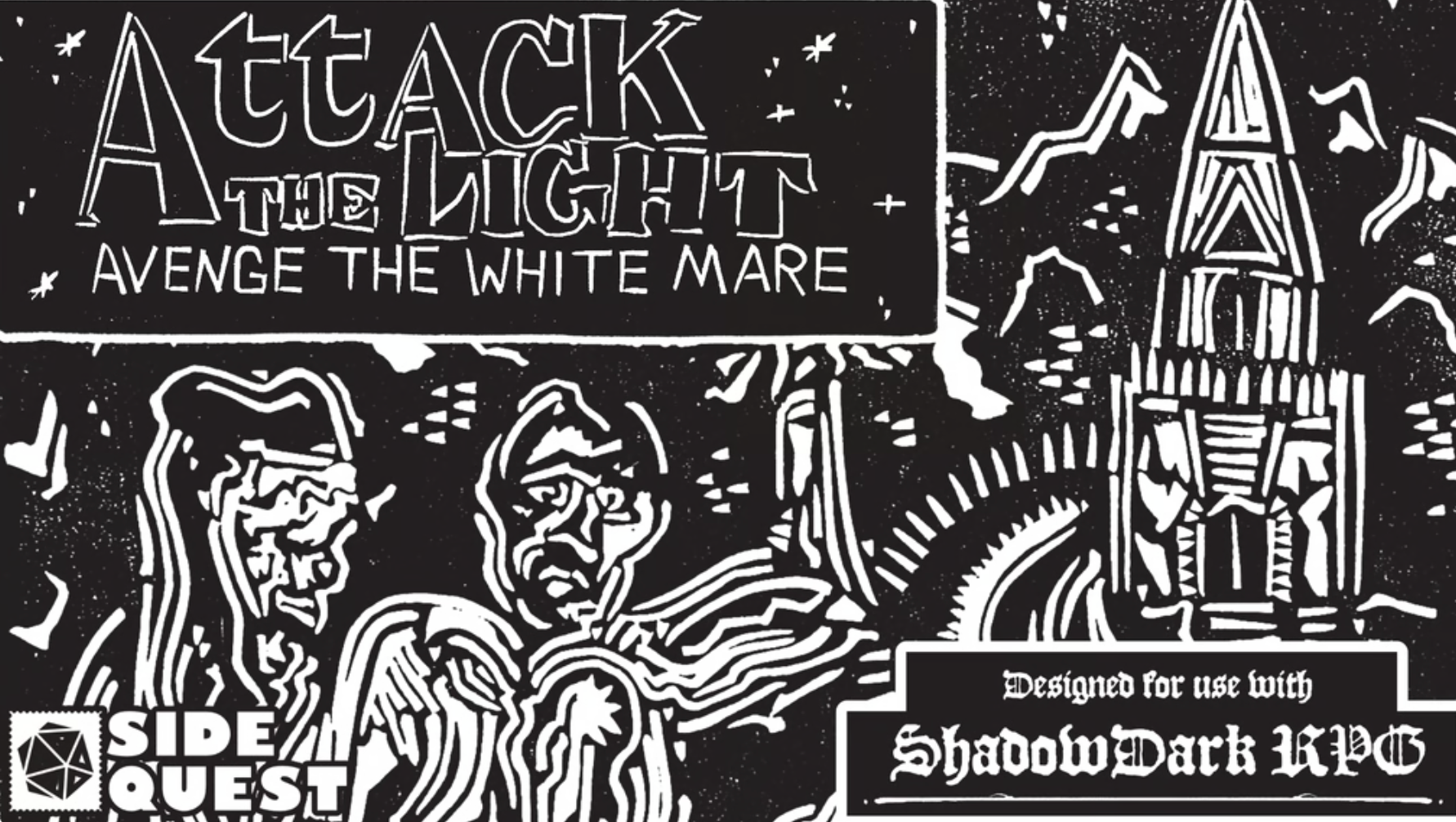
Why is cross-promotion such an important part of the event?
I think it's one of the biggest untapped opportunities for small and mid-sized publishers.
Too many creators design, market, fund, deliver, and sell entirely on their own. For years, I've focused on building relationships and using those connections to help everyone succeed.
That can look like offering another creator's previous release as an add-on, sharing campaign banners in updates or newsletters, or even splitting a convention booth with someone who has a similar audience.
None of this is especially difficult to coordinate, and over time, it can transform a modest crowdfunding campaign into a much bigger success.
What kind of creator do you hope feels empowered to launch because of SideQuest?
I'm especially excited by creators who've already built communities elsewhere, whether through YouTube, blogs, or freelance work. They're bringing fresh ideas and professional experience into tabletop crowdfunding.
More than anything, though, I'd love for someone to look at SideQuest and think, "I could do that." The world needs more creators, designers, and artists, and they deserve more opportunities to share their ideas.
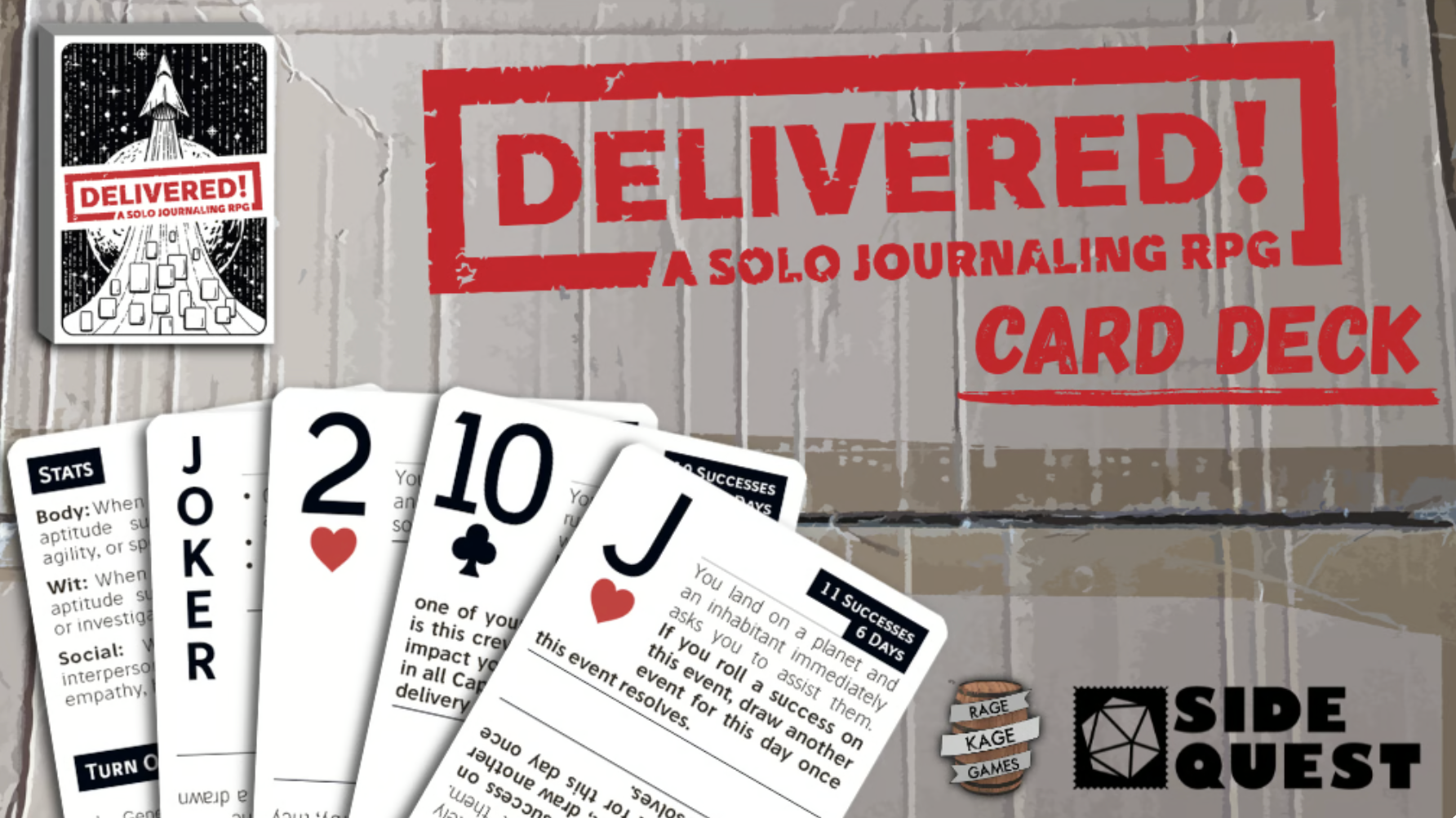
What does success look like beyond dollars raised?
There are plenty of ways creators can win beyond funding alone:
- Add another successful campaign to their profile or launch their first.
- Grow their email list.
- Experiment with new product formats.
- Build collaborations with other creators.
- Earn backers' trust through reliable fulfillment.
- Finally, make the small project that never quite justified a full campaign.
What advice would you give someone considering their first Kickstarter campaign?
Keep it simple.
Don't begin with your dream project. Your first campaign will teach you a tremendous amount, so choose something that can survive a few mistakes and still feel like a success.
Spend time studying other Kickstarter projects. Back a few that interest you, pay attention to how they're structured, how they communicate with backers, and how they fulfill their rewards. You'll learn what works—and what to avoid.
Most importantly, remember that success is determined before you launch. Build your audience early, invest in strong artwork for your campaign page, and ask experienced crowdfunding creators to review your project before it goes live. A strong launch is much easier than trying to recover from a weak one.
Do you hope SideQuest becomes an annual tradition?
Of course, but first I want to prove the idea works.
Once every project has fulfilled, I'll be talking with creators and backers to understand what worked and what didn't. I only want SideQuest to continue if it's genuinely beneficial to the community.
If all goes well, I'd love to open submissions next year and see the event grow to around 100 projects. There are a lot of creators out there with great pint-sized ideas.
