Before the First Pledge: How to Find and Foster Community ahead of your Kickstarter
The founder of Warp Miniatures shares the lessons he's learned about building community from his career as an artist, game designer, business owner, and Kickstarter creator.

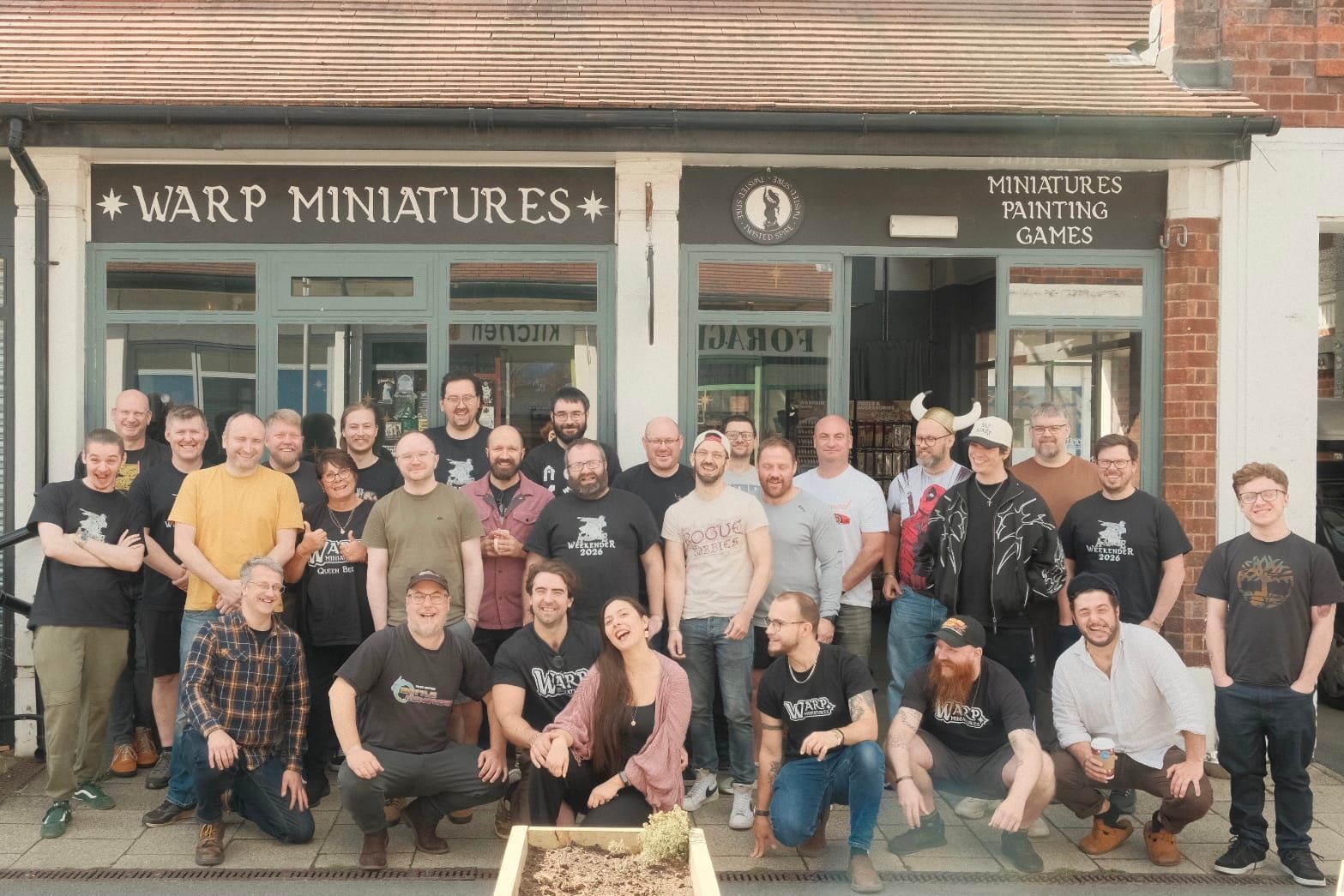
In many ways, we are in the midst of a Golden Age of tabletop gaming. From the mainstream acceptance of Dungeons and Dragons to the continuing successes of Games Workshop, it really is a good time to be a nerd.
As the founder of Warp Miniatures, and someone who's been immersed in the miniature gaming industry for almost two decades, I’m delighted to see it becoming more popular. Once a niche within a niche, conversations with regular folk about goblins have become easier than ever.
Amongst the greatest driving forces of this (alongside COVID-19 and Henry Cavill) are the fantastic communities that have built up around tabletop gaming. Not just in person, but massive online enthusiast hubs that have grown over decades on forums, social media and YouTube.
It was on these platforms that I first started to build the community for our fantasy miniatures game, ArcWorlde. First from posting on forums, and then moving over to Facebook, Instagram and Discord. My first Kickstarter project was launched in 2013, and its success was due to the support from the community that I had built before the first pledge was even made.
Of course, the internet is a very different place to what it was in 2013. However, I would argue that building community before a launch is even more important now. And I would love to share the lessons I’ve learned over my career as an artist, game designer, business owner and Kickstarter creator.
1. You are your product.
In a time where we are bombarded by ads more than ever before, the average internet user is increasingly apathetic towards brands in hobby spaces. Particularly since the scourge of 'AI slop' upon our feeds, people are looking to connect with real humans.
If you are launching your first-ever campaign, you’d think that the best thing to do would be to come across as an established, professional business. However, I have found that being forward with the real people behind the brand has a lot of benefits, particularly on social media. People love to see people. They love to see the ideas, experiments, victories and occasional mishaps behind the things they enjoy. Give them an opportunity to connect with you before the campaign even goes live. You don’t need to share every aspect of your personal life, but giving a glimpse behind the curtain can make a world of difference.
You are not selling a 'product,' it is something you have made. Show those first sketches, share your design process, post that picture of you working hard on getting it just right. If you welcome people into your work life, they will be on that journey with you.
If you’re wondering where to start, try sharing a work-in-progress image, asking your followers for their opinions on a design, or making a short video talking about what inspired your project. These insights give people something to connect with long before there’s anything to buy. Of course, there is a fine line between being open and being amateurish. Don’t share too much (especially if negative) and be sure that the quality of the content is as good as you can get it. Shaky phone videos are fine for spontaneous Instagram stories, but a more curated approach for your main feed often pays off.
2. People like little treats
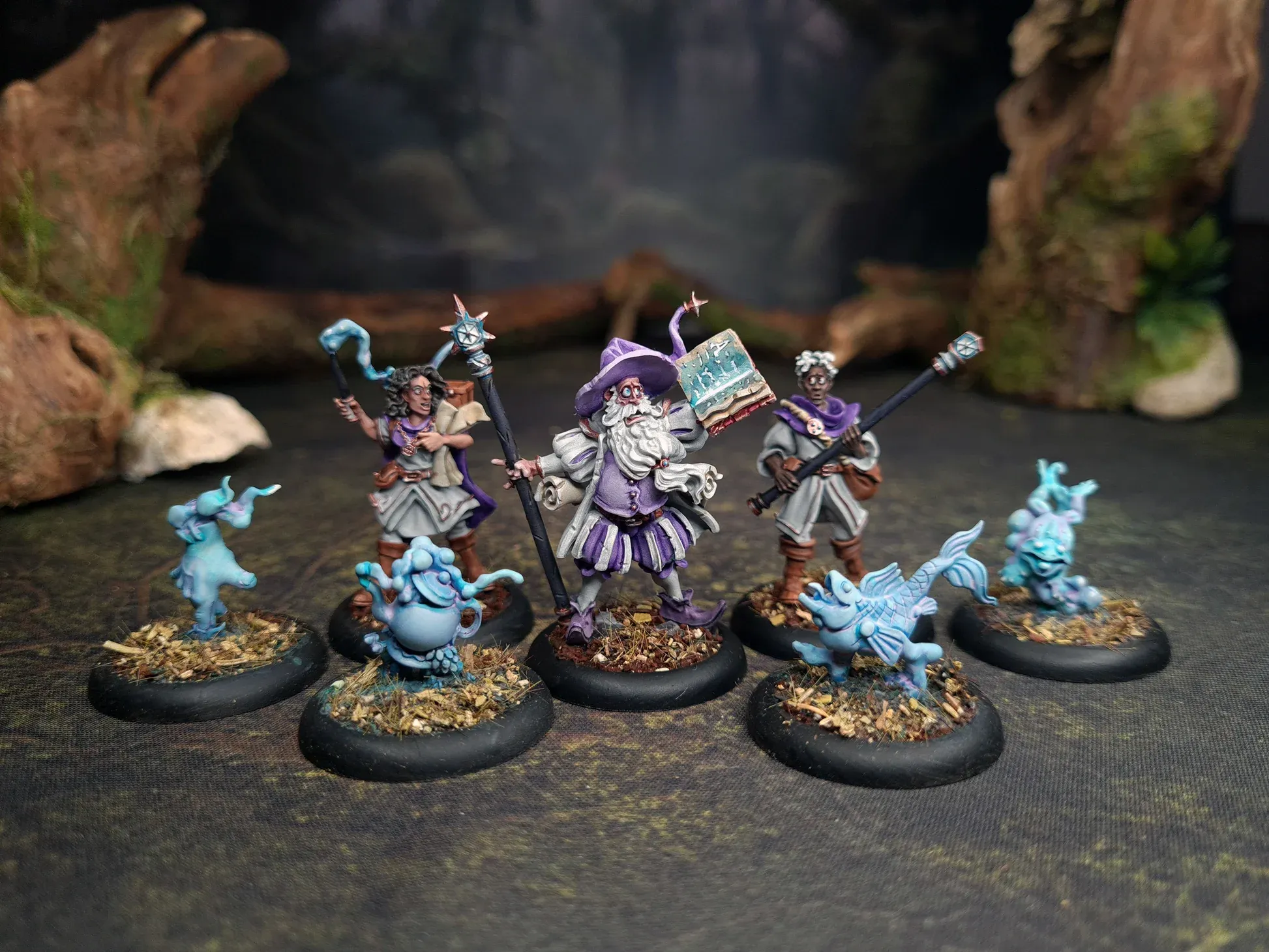
Never underestimate the value of a little treat. Although you might be gearing up for a big product launch on Kickstarter, we’ve found it very beneficial to make something for people to purchase before the campaign goes live. It doesn’t have to be much—a print, a miniature, a wristband. Once someone has invested in a product or community, they are so much more willing to be interested when new things come out.
A little treat doesn’t even necessarily need to be a paid-for item. It could be a piece of unique artwork, a song you have collaborated on with another artist, a short story. As long as it is something unique that you have made for the people who are following you, they will love it. Even if the piece isn’t something they’d particularly connect with, they’d appreciate the effort.
And importantly, these treats don’t have to cost anything. A free downloadable mini game, a printable piece of artwork or a sneak peek of some lore you’ve been working on can be just as meaningful. Especially when you are starting from scratch, a little generosity can go a long way.
3. Being in a club is cool
Enthusiasts love to join things. As an enthusiast myself, I love seeking out little niche communities where people share and post content that I am uniquely positioned to enjoy. Reddit, Discord, and even Facebook groups are great for this. Subcultures arise within subcultures, and your followers will love a space to hang out and share memes.
When I first started in the late '00s/early 2010s, forums were the undisputed lords of online enthusiast communities. Although they continue to limp on in a much-reduced capacity, people generally have shifted more towards social media. Reddit in particular has more niche communities than you can shake a stick at and is a great way to connect with people who may be interested in what you make. But (and this is an elephant-sized but), in my experience Redditors are the most sensitive online users to feeling like they are being sold to. I have certainly found this out the hard way, having fallen foul of subreddit mods on more than one occasion.
Even when you don’t think you are actively promoting your work, other people might see it differently. If you are to join these communities, be sure that your engagement is genuine, rather than purely a way to poach new customers. Comment on posts, share non-work content, and always be sure to have your Kickstarter link in your bio if people are genuinely interested.
Another thing I would highly recommend is setting up a Discord server for your community. Within these hallowed halls you can post about your work as much as you like, and people who join are already engaged and willing to talk about it. In time, this will grow, and especially during the Kickstarter campaign itself it is a great place to engage with your excited community.
If you’re setting up a new server, don’t be disheartened if it is a little quiet at first. Post works in progress, ask questions and give people spaces to show off their own work and share their thoughts. You want it to be a space that people want to spend time in, rather than just a place to promote your brand.
4. Boots on the ground
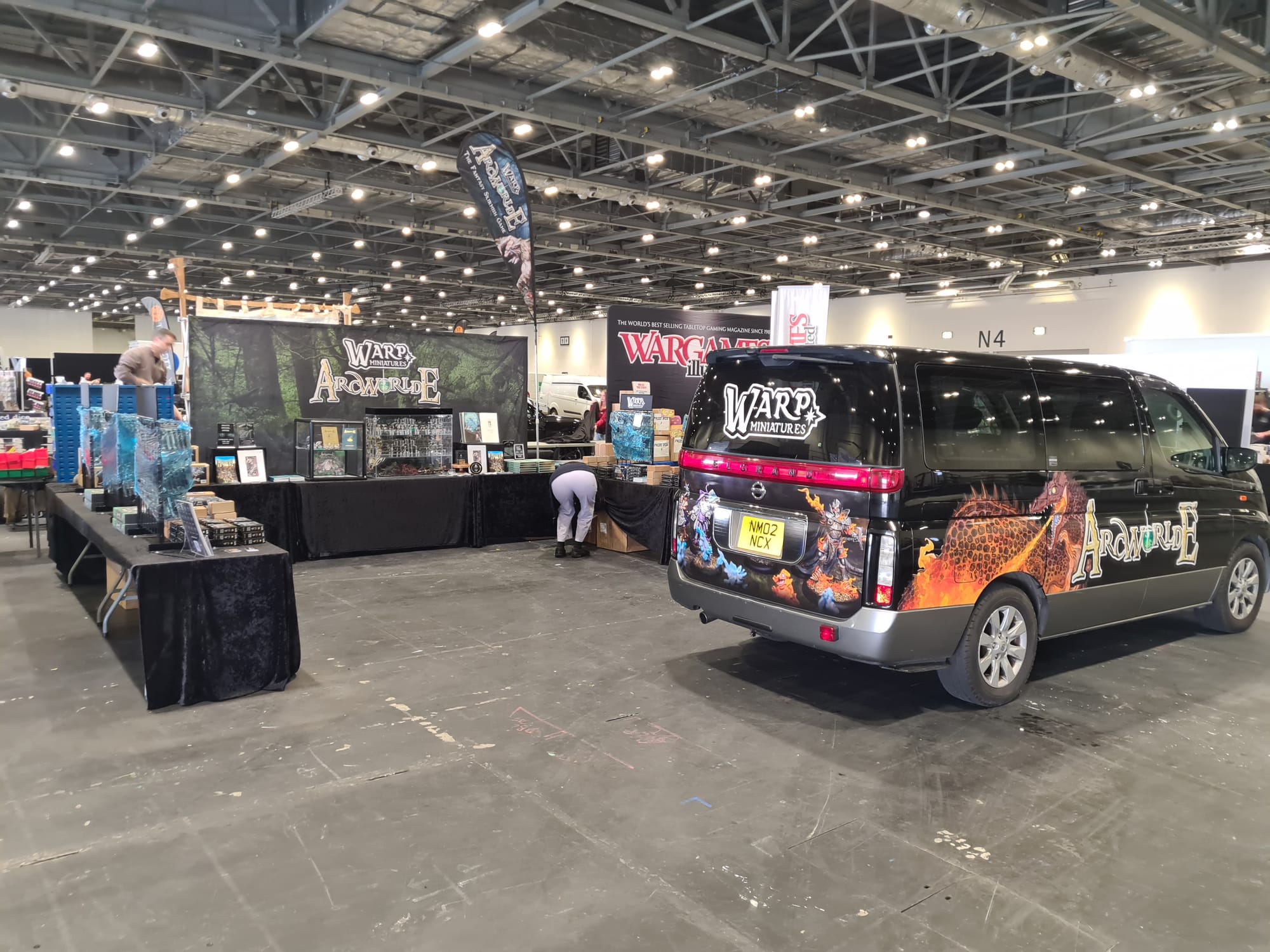
Nowadays, most discourse around building community is centered around online spaces. However, it is also important to be physically present in enthusiast gatherings. Conventions are seeing record attendances, and there is a fresh hunger for in-person meets now that the forced introversion of the COVID-19 pandemic is fading into the mists of time.
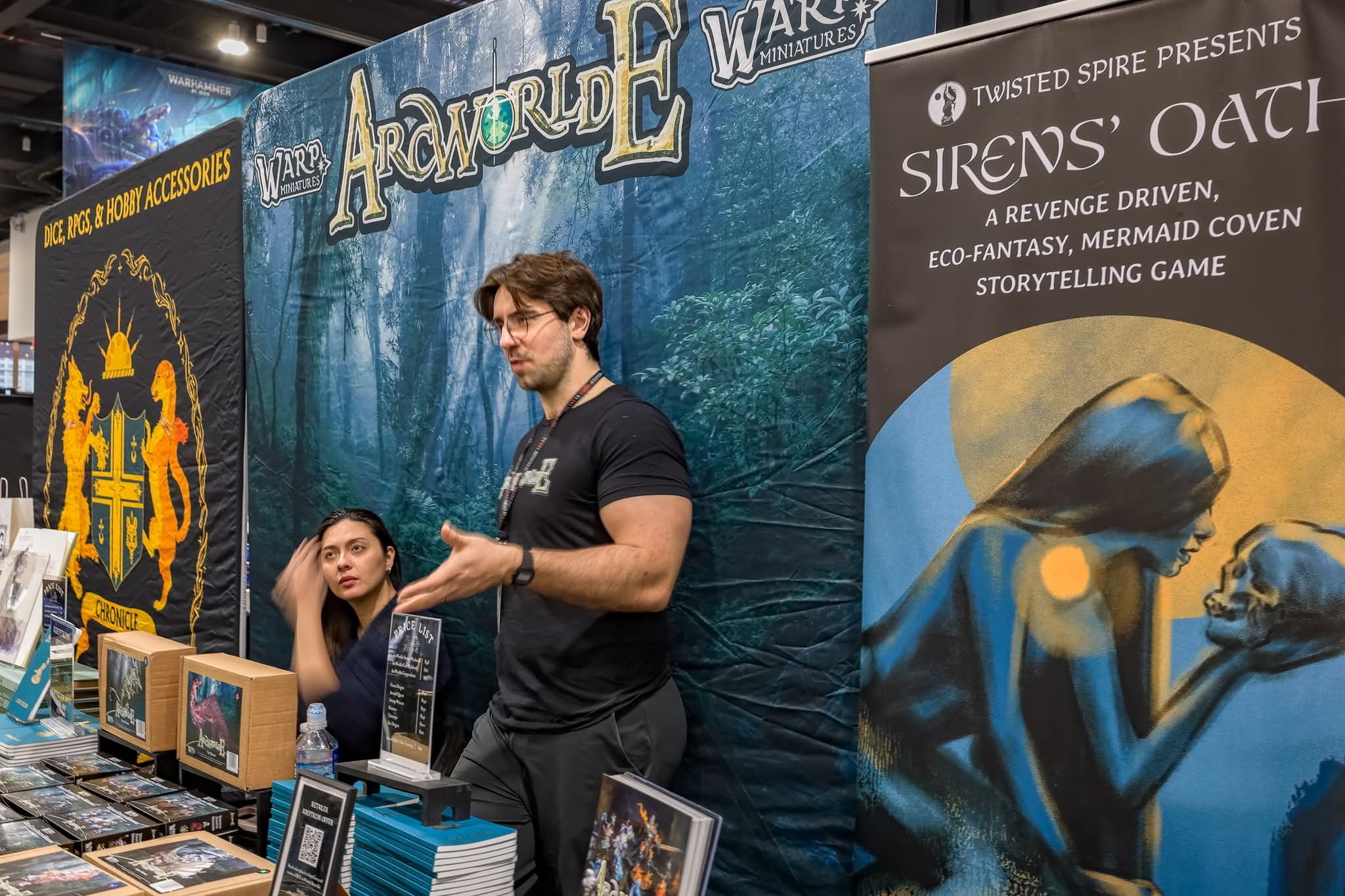
If there’s a con for your specialism, go there. If you can get a trader’s table, even better. Some of Warp Miniatures’ most engaged and enthusiastic community members were first met at conventions, and it’s a wonderful way to get immediate feedback on your work.
I will not sugar-coat it though, they are hard work. Not only in physical labour, but also in time and financial cost—three things that are very tight indeed in the run up to a Kickstarter campaign. However, if your goal is to engage with real people and bring them into the fold, they are an important arrow to have in your quiver. People get much more excited about something, and someone, that they can see and meet in person.
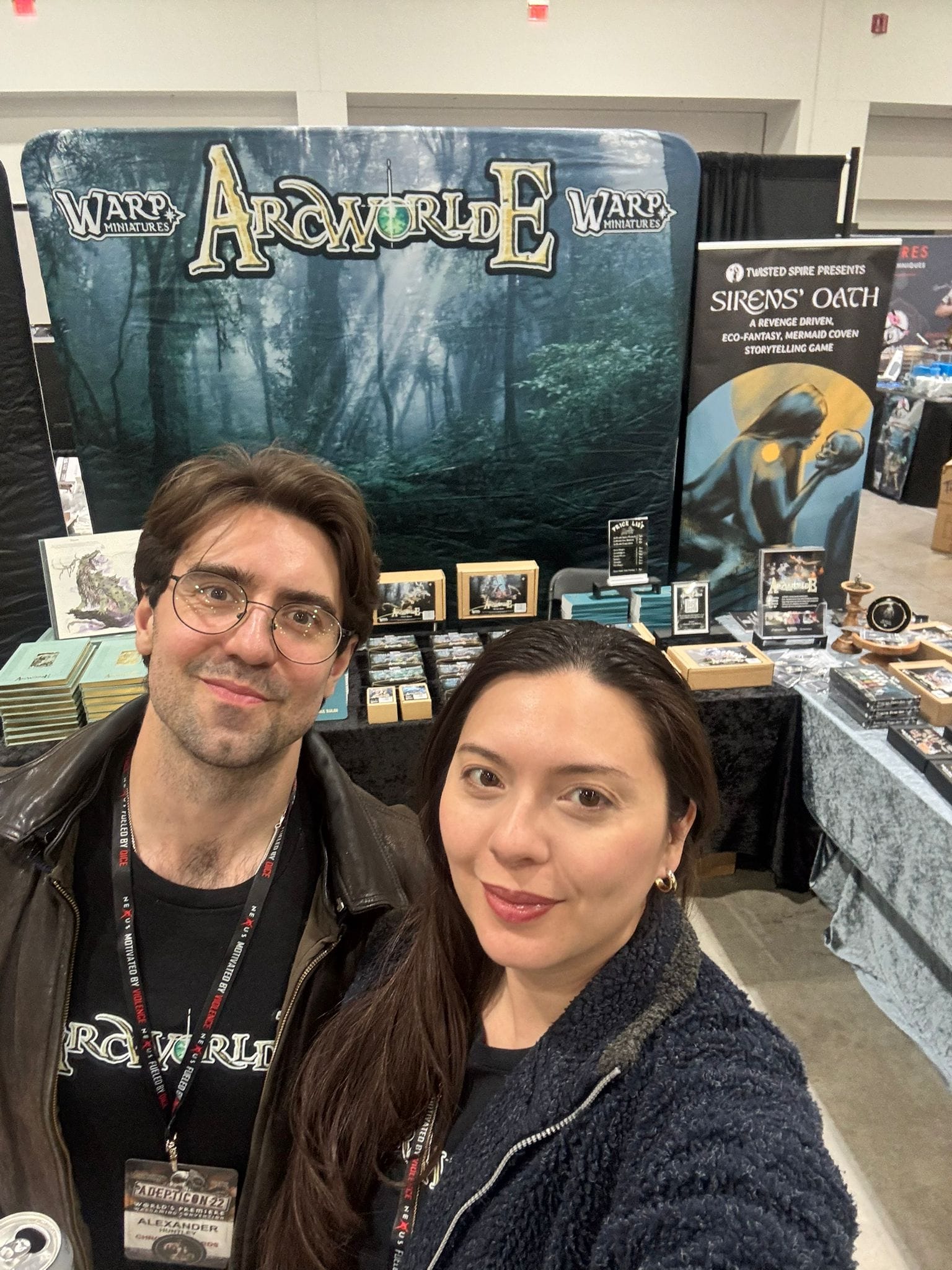
One of the biggest investments that we have recently made is opening our own brick-and-mortar shop in the centre of Nottingham, UK. Those of you already in the miniature gaming scene will be aware of this, but Nottingham has a rich history of tabletop gaming heritage and is known as the ‘Lead Belt’ for its deep links to metal casting models. Games Workshop, the undisputed titan of the industry, is based here alongside many independent companies large and small. It’s a wonderful community to be a part of, and there is a lot of mutual guidance and support for those in the industry.
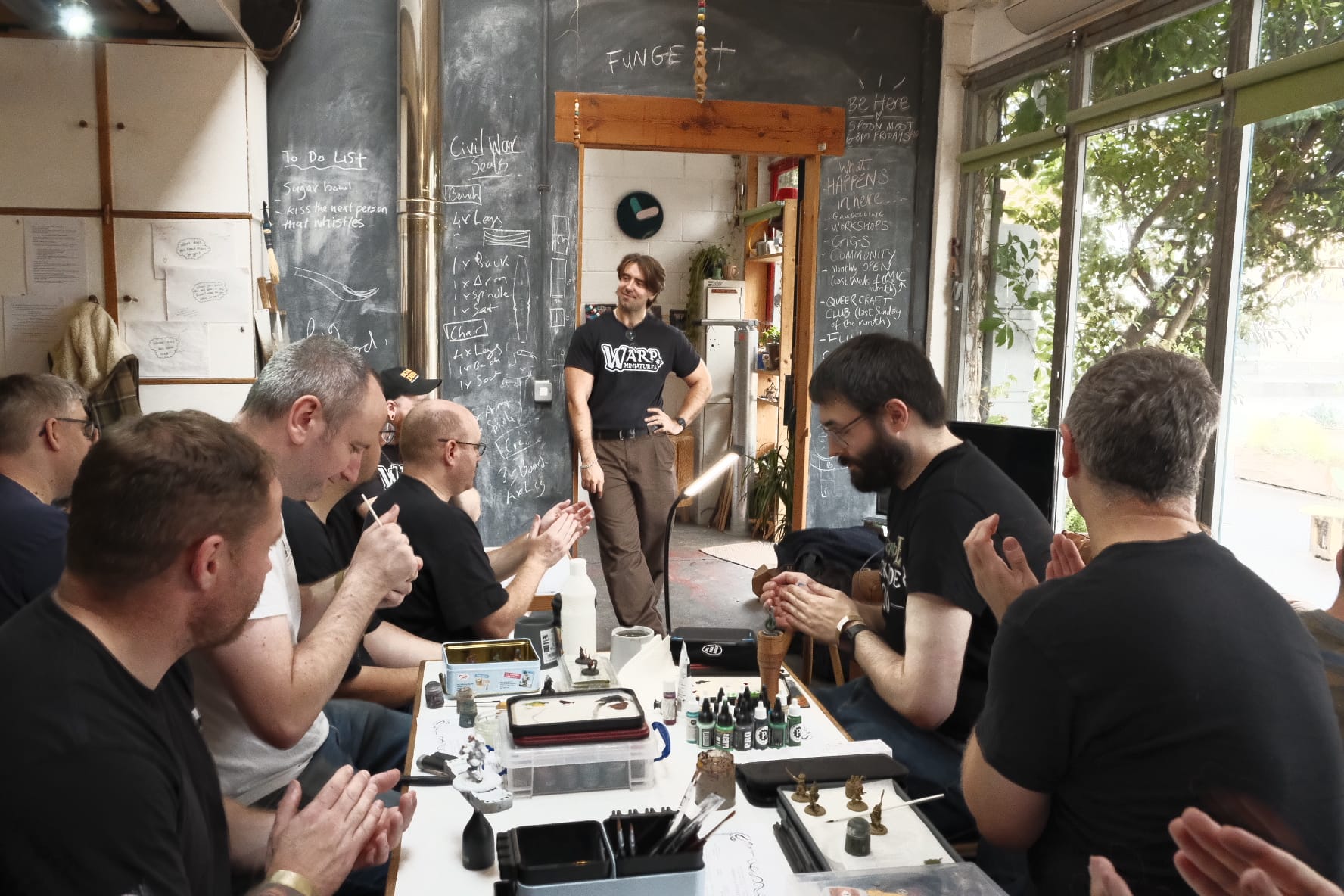
We wanted to create a welcoming space and build a pleasant experience of Warp - providing free painting stations, game nights, and more. Not only has this been a wonderful community hub for existing customers, but it’s also now a new tourist destination for the thousands of people who visit Nottingham from all over the world on their miniatures ‘pilgrimage’ each year.
Of course, not everyone can afford to attend a convention or open a shop, especially when just starting out. Local gaming clubs, community events and smaller meet ups can be just as valuable and allow you to form even more meaningful relationships than handing out hundreds of flyers at a trade show.
5. Be a tease
We are bombarded by more content than ever, and oftentimes the most intriguing morsels are the ones that are just out of our reach. One of the hardest lessons I had to learn throughout my career is not to show off too much, too early. When you have an engaged, excited community—the temptation to show off every piece of a project as soon as you finish it is like the Green Goblin mask from Spider-Man (2002) whispering temptations into your ear. Do not listen. Eking out content is a very important part of building and maintaining a community. People love to see a project revealed piece by piece and will look forward to the next drop much more than if you were to show it all at once.
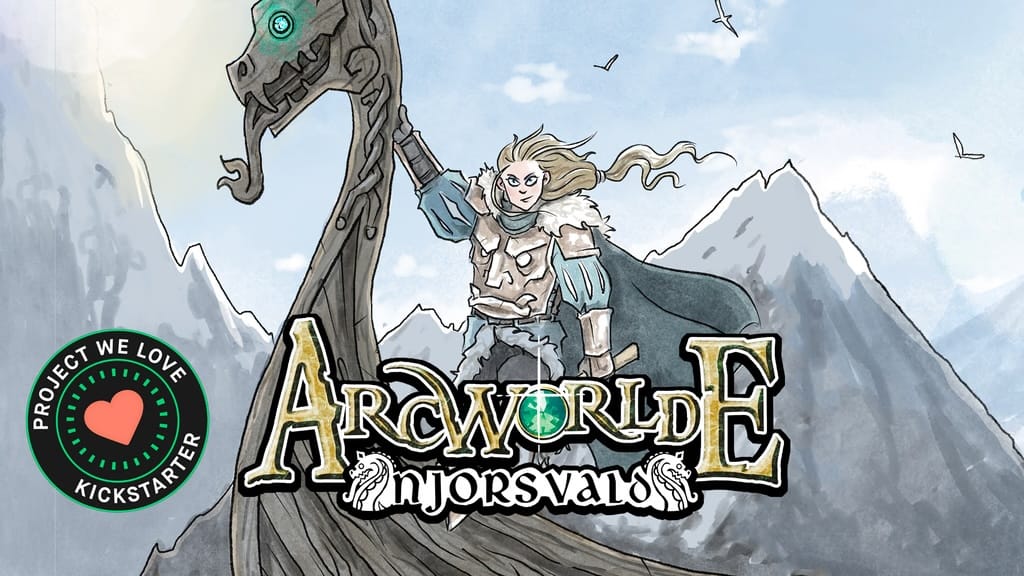
Discussions on what future releases may be are a core component of any enthusiast community, and for those creators/brands that do it well the community can sometimes do most of their marketing for them. We teased our current Kickstarter campaign, ArcWorlde: Njorsvald, for months without showing a single product. Our community has loved chatting about the things they thought may be in the campaign and, helped by the odd "ooh maybe" commented on a post, they were brimming with excitement by the time it launched. If we had revealed everything upfront, they’d be lukewarm by now. Remember this when working on your own launch.
This is also a fantastic opportunity to direct people towards your Kickstarter pre-launch page. Once you’ve got people excited about the launch, give them somewhere to register their interest and be notified when the campaign goes live. For our last campaign over 30% of our pre-campaign followers became backers, so it is a highly useful resource for both new and existing creators.
6. Your community likes to watch you grow
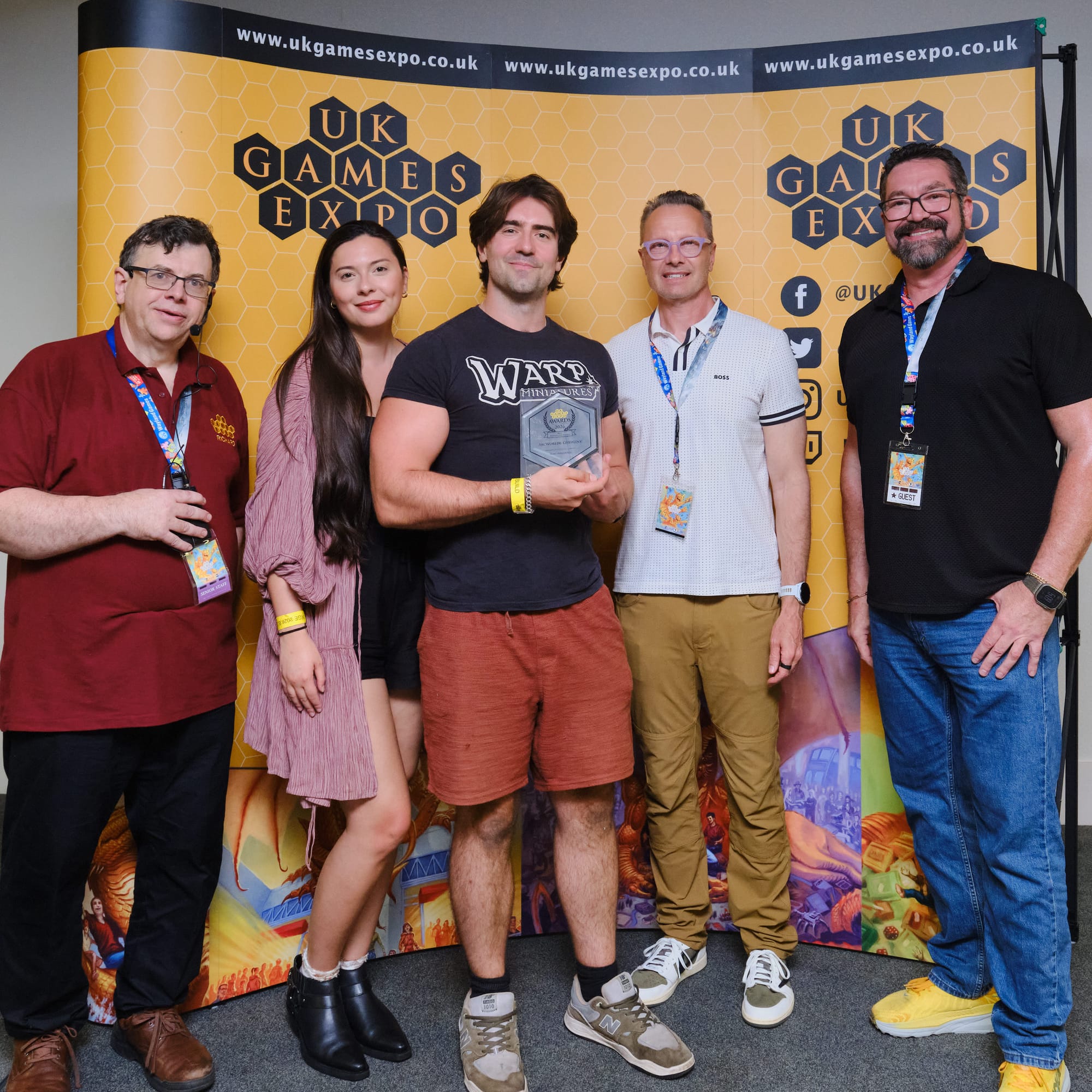
From day one, I have never been shy about sharing my story with my community. When I first launched Warp Miniatures when I was 17, through to now—my wife Wingshan (who now runs the business with me) and I have always been open with our journey. I often get emails or DMs from people who recall stumbling across my work when I was first starting out, and how they have loved to watch how things have gone over the last 16 years. This is one of the most wonderful parts of building a community. They aren’t just potential customers who you’ve got hooked on your product, and it is highly unfair to think of them as such. They are your champions who have chosen to join you on your journey.
People love to be a part of a story, so be sure to include your community in yours. If you are just starting out with your project, be sure to take the time to make memories for those who were there at the start. Shout-outs, memes, heartfelt messages of gratitude—these are all things that mean so much and will be remembered for years (if not decades) to come.
Another important thing is to make sure your community is a welcoming space for new people to join. One of the things we have tried to do is to make our ranges as accessible as possible, whether that’s making all our rules for ArcWorlde free to download or by making miniatures that everyone, no matter their background, might see a little of themselves in. We also have a clearly defined set of expectations for members of our social spaces, so that they and newcomers to the community feel welcome, respected and safe.
A successful Kickstarter launch might be the first big milestone you share with your community, and hopefully it won’t be the last. The relationships you build now can last long after the campaign has finished, and those early supporters may well be there cheering you on for your next.
Of course, all of this takes time and effort, good things aren’t built overnight. But I promise you that your community is your greatest asset, not just for your upcoming Kickstarter campaign, but for your entire career. Be good to them, nurture them, roll your eyes when they get a little goofy in the comments section. They truly do want you to succeed, and if you look after them, they will absolutely look after you. Now, time for you to start that Discord server.