
Stretch-Goal Ideas and Insider Tips for Your Kickstarter Publishing Project
Here are some of the most popular features requested by creators running crowdfunding campaigns.


Your book is ready for Kickstarter. Now comes the fun part: Deciding what else your campaign could unlock. A hardcover edition? Rose gold foil? Exclusive variant covers? Painted edges?
Creating a special edition of your book is one of the most common options. Here, we’ll focus on creating variants of your book, including:
- Split binding
- Variant covers
- Numbered editions
- Painted or sprayed edges
Let’s start by assuming you are offering a standard edition of your book. We speak with a lot of comic book, graphic novel, and children’s book authors, but these features can be applied to almost any book, including RPGs, novels, and nonfiction.
1. Split Binding
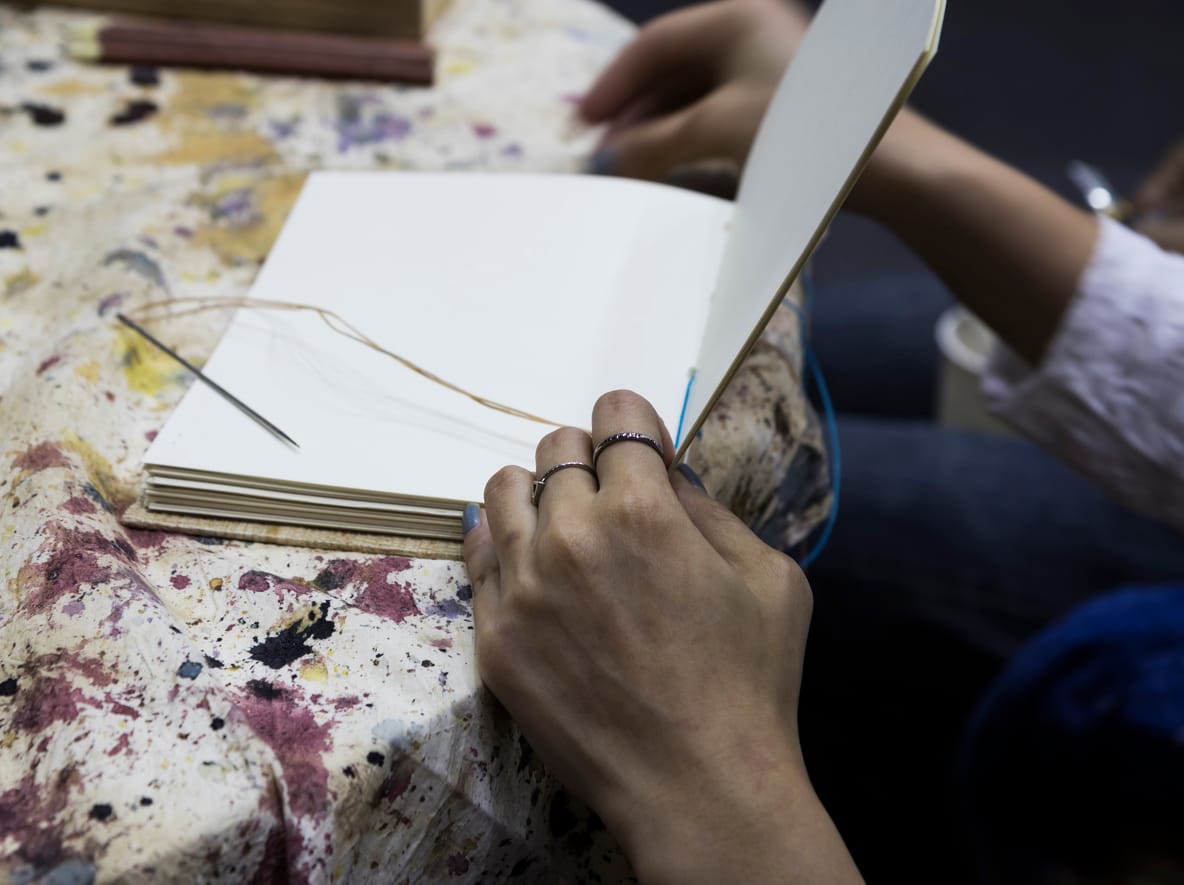
Split binding is first because it’s my favorite. It’s a real value option because it adds a deluxe edition to your project without adding a ton of expense.
The secret is that you are creating two editions of your book, one standard and one deluxe, but they share the same interior pages. Because the interior pages match, you can alter the cover treatment for a portion of your overall quantity.
For example, you might order 500 copies and make 400 of them standard paperbacks while the other 100 are deluxe hardcover editions.
Why can that save money? Most of the printing is for your interior pages, which remain the same in both editions. That means you can create a smaller quantity of a special edition without producing an entirely separate print run.
The savings can be significant because of setup costs. Setting up a press is complex and time-consuming, so costs will generally be lower when your order requires less setup.
Consider using different art for the hardcover than the softcover to further distinguish it as a special edition. You could also advertise the limited number of special editions to help drive backers early in your campaign.
2. Variant Covers

When we talk about variant covers, we’re typically talking about a run with the same binding type but different cover treatments.
We most commonly see variant covers for comic book projects, but you can add this feature to any book project to create different editions. The key, again, is that the interior pages must be identical.
For example, say you create a run of 500 comic books about a superhero team and decide to create variant covers highlighting specific characters:
Main cover: 300 units
Solo Character A: 50 units
Solo Character B: 50 units
Solo Character C: 50 units
Solo Character D: 50 units
The interior artwork would be the same on all 500 copies, but you’d submit five unique cover files: one for the main cover and four for the variants.
Since there are fewer copies of each variant, you could offer these at a higher price or as an incentive to back the campaign early.
You can also use variants for other purposes. Try creating a cover that is only available at a convention you’ll be tabling at or offering a retailer exclusive.
Bear in mind that printers may charge a fixed setup cost for each variant, so budget carefully to recoup your costs and print enough copies of each variant to justify the expense.
Hardcover Variants and Super Deluxe Editions
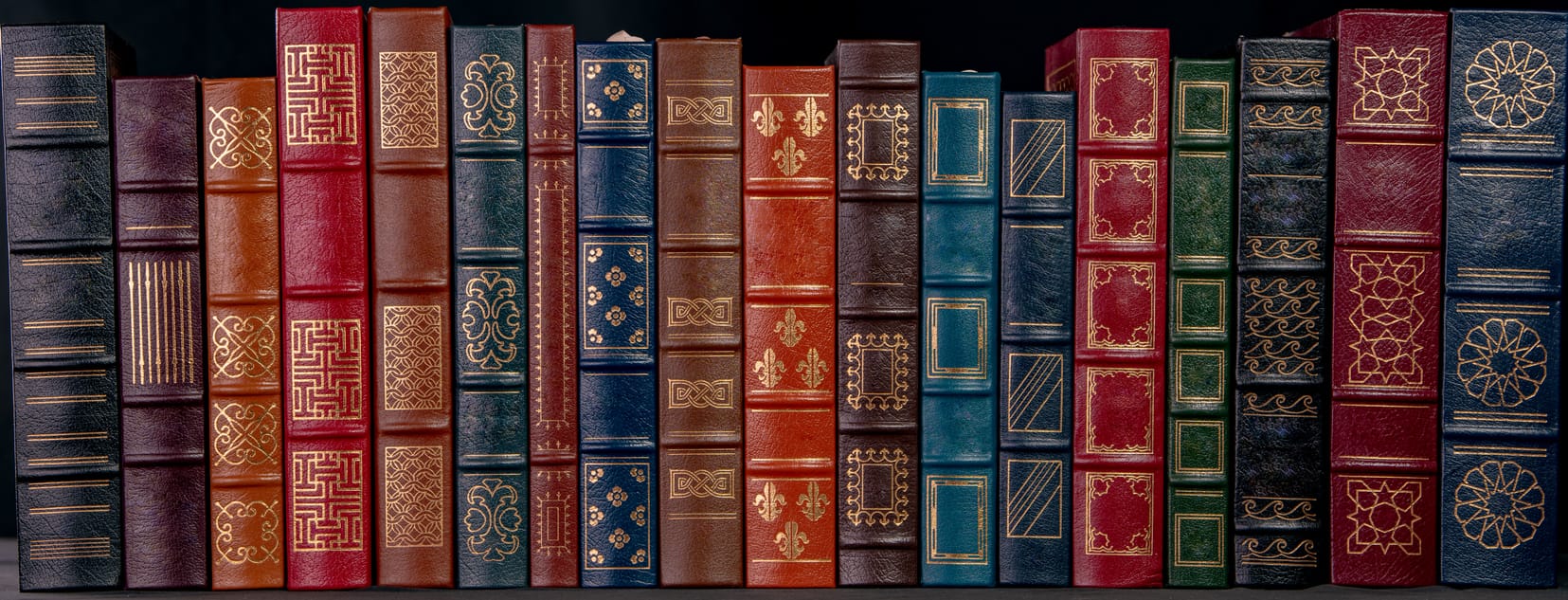
Hardcover books open up even more options.
A standard casebound book has a printed paper cover mounted on rigid board. You can create printed cover variants just like you would for a saddle-stitched comic. But if you want to step it up a notch, you can go with a textile cover instead of paper.
Cloth and faux leather are two popular options. These materials generally can’t be printed with ink the same way a paper cover can, but you can add treatments like foil stamping or debossing instead.
These deluxe editions cost more than standard editions, so you’ll want to account for the additional production cost when setting your reward tiers.
You can also combine split binding with variant covers to create multiple tiers of stretch goals.
Let’s say you want 1,000 copies, with a standard softcover edition, a hardcover deluxe edition, and a cloth-bound super deluxe edition:
800 copies of the softcover standard edition
150 copies of the hardcover deluxe edition
50 copies of the cloth-bound hardcover super deluxe edition
The additional production expenses and creative labor, along with the low quantity available, make the super deluxe edition a luxury option for your most avid readers.
By the way, “Deluxe” and “Super Deluxe” are just marketing terms. You could just as easily call them “Premium,” “Luxury,” or whatever makes sense for your campaign. What matters is making it clear what distinguishes each edition and why it carries a higher price point.
3. Numbered Editions
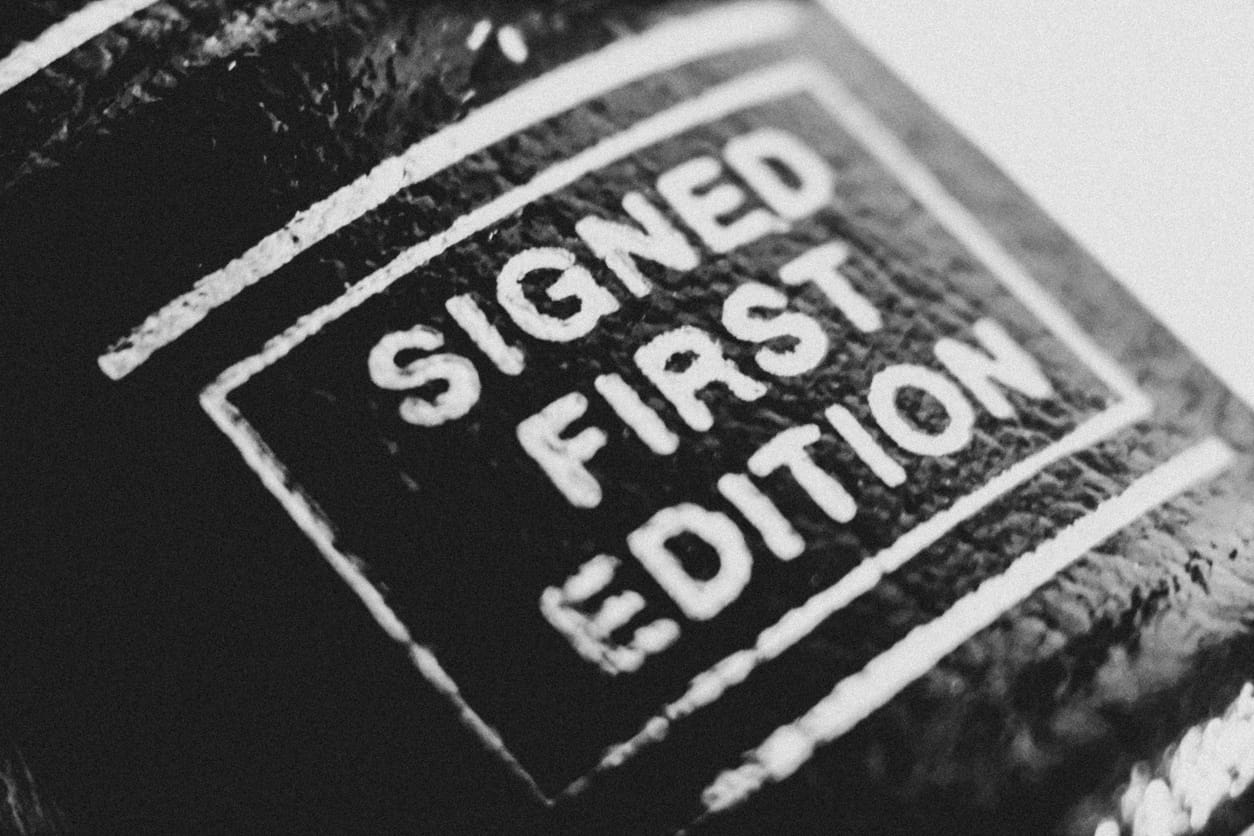
To emphasize that special-edition books are produced in smaller runs, you can also add sequential numbering.
This is typically applied using a hot foil stamp machine that automatically changes the number for each copy. Depending on your printer, options for foil color, typeface, and size may be limited.
Image of the numbering
Limiting numbering to a small quantity can make a deluxe edition feel even more exclusive. In the example above, you might number only the 50 cloth-bound copies.
You could also number every copy of a small run. This can be especially useful if you only intend to do a single printing of your book, giving every copy a unique identity and emphasizing the limited number available.
4. Painted or Sprayed Edges
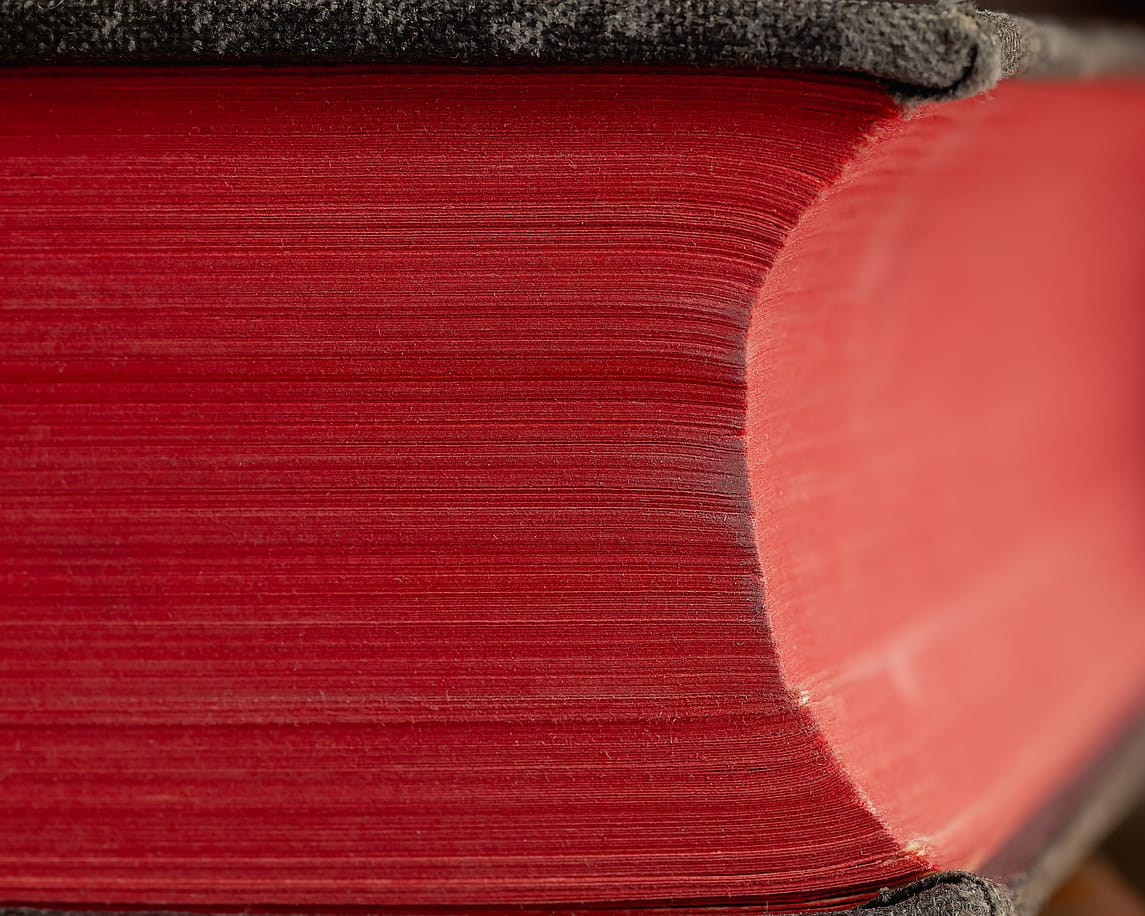
If you’ve been to a bookstore in the last five years, you’ve probably noticed how ubiquitous painted or sprayed edges have become. If I’m being honest, those glamorous editions of books I already own have tempted me more than once. They’re beautiful!
The terms “painted” and “sprayed” are sometimes used interchangeably, but there can be a distinction in production. A painted edge is often a single solid color applied to the edges of the pages, while sprayed or printed edges can incorporate a pattern or image.
Before the cover is applied, your interior pages are bound into a single “book block.” The book blocks are then aligned inside a machine that applies the color or design across the gathered edges of the pages.
This kind of feature can be perfect for a stretch goal. Once you’ve met the funding goal for your standard edition, you can add painted edges to every copy if you raise enough to cover the additional cost.
You’ll need to prepare artwork for the edges if you are designing a pattern or image. If you just want one solid color, your printer can help you select an appropriate color.
Keep in mind that edge treatments may require a minimum page count or book-block thickness, and more complex artwork may require a custom quote.
Choosing Stretch Goals for Your Campaign
These are some of the most popular features requested by creators running crowdfunding campaigns, but they’re far from the only possibilities.
The best stretch goal isn’t necessarily the flashiest one. Think about what feels natural for your book, what your audience will value, and what you can realistically afford and fulfill.
Before announcing any upgrade, get a quote and understand how it affects your per-unit cost. A stretch goal should make your finished book feel more special without putting the rest of your campaign budget at risk.
Once you know what’s feasible, that’s when you can have fun with it. A different cover, a cloth-bound edition, numbered copies, or a beautifully designed edge treatment can give backers something genuinely special while bringing the book you imagined a little closer to life.
Jeff Zwirek is the Director of Operations for PrintNinja, helping creators get their dreams printed since 2012.
