
How to Come Up With Comic Book Ideas: Tips From Comic Creators
Looking for comic book ideas? Veteran creators share practical advice for finding inspiration, developing characters and stories, overcoming creative blocks, and making a comic that feels uniquely yours.

Comics is a singular medium. Creators can communicate the most bombastic, dwarfing visual ideas with the simplicity of a pen and paper. No film crew or massive budget required.
But writing (good) comics is not especially easy, even if the craft is shockingly accessible. Sequential art merges symbolic communication (word balloons and captions) with mimetic drawings (the characters and situations ascribed to that dialogue and description), an approach that makes readers’ brains literally light up like a summer sky full of fireflies. In other words, this potent cocktail of words and pictures offers pure storytelling magic that engages the mind with an approach no other art can claim.
Also in other words: more people should be making comics.
And we’re here to help you take your first steps.
For creators passionate to start writing and/or drawing, Kickstarter has assembled a cabal of veteran creators to relay their infinite wisdom into the craft of comics. Read. Digest. Create.
 Kickstarter
01 Make What You Wish Existed (But Doesn’t…Until You Make It!)
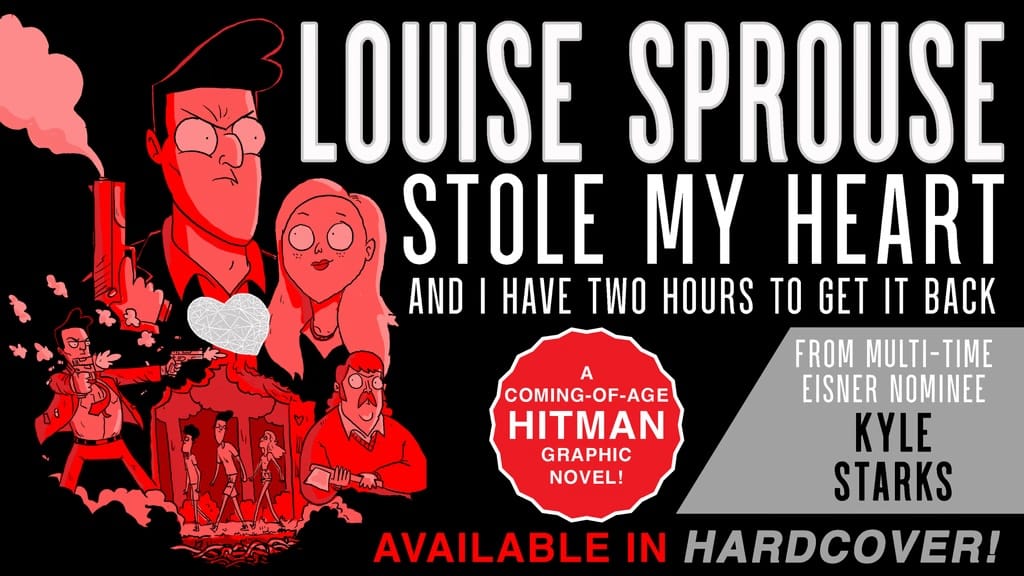
Whenever I get asked for advice by new creators about telling stories, the advice I always give is make the thing you wished existed. Don't chase trends, don't try to duplicate another's success. As long as you make the thing you want in the world to the best of your ability, you will always like it and if you like it, so will others. If you need a specific prompt to make your story take the things you like, boil them down to their most basic parts and then figure out the extremely you version of that. - Kyle Starks is the creator of Louise Sprouse Is Stole My Heart.
02 Start with Short Stories
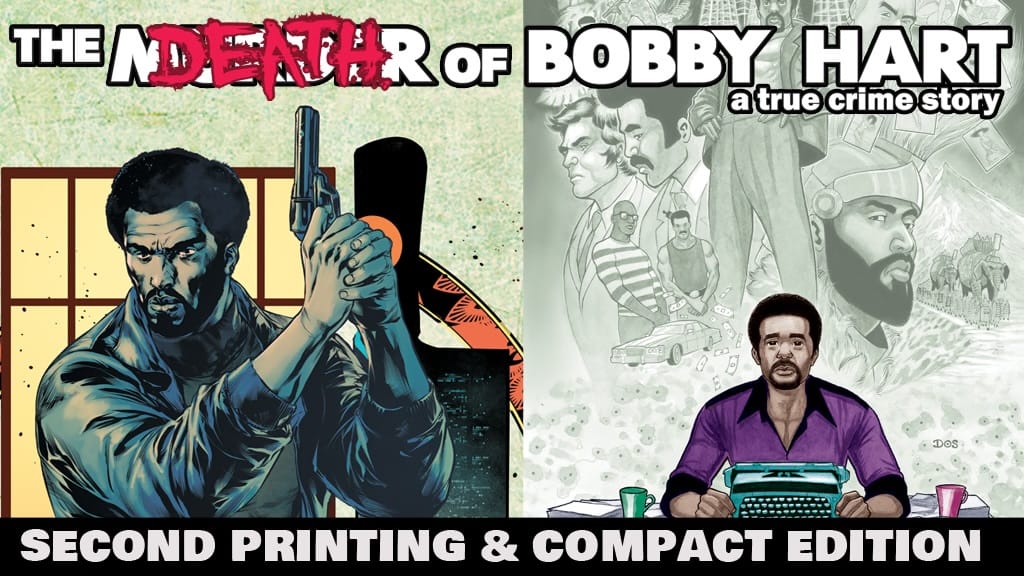
One of the best things you can do to develop your comic book-creating skills is to start with short stories. Comics can be very difficult to produce, and the bigger the project, the more obstacles can potentially stop you from finishing your masterpiece. Short stories are much easier to complete and will do more for your career than an epic story that languishes, incomplete. My graphic novel The Death of Bobby Hart started out as a six-page story that I produced as a proof-of-concept. A well-crafted short comic book story can change the world. Don’t believe me? The first Spider-Man story was only eleven pages. —David F. Walker is the creator of The Death of Bobby Heart.
03 It’s the Execution, Not the Hook
Don't hyperfocus on a hook at the expense of your plot and characters’ growth. A lot of creators, when they come up with an idea, will think it's the most important part of the process, protecting it at all costs. Fact of the matter? The central idea is the least important part of the story and probably 20 other people have thought of the same idea. (Spider-Man, Invincible, and Robin all stem from similar seeds).
What differentiates good from great? The execution is what makes stories sing. And that's entirely when your (the creator’s) point of view, life experiences, and craft come into play. What's the most personal way to tell the story of your idea? How will the audience expect your idea to play out and how can you subvert that? What is a way to tell your story that no one else but you can tell it?
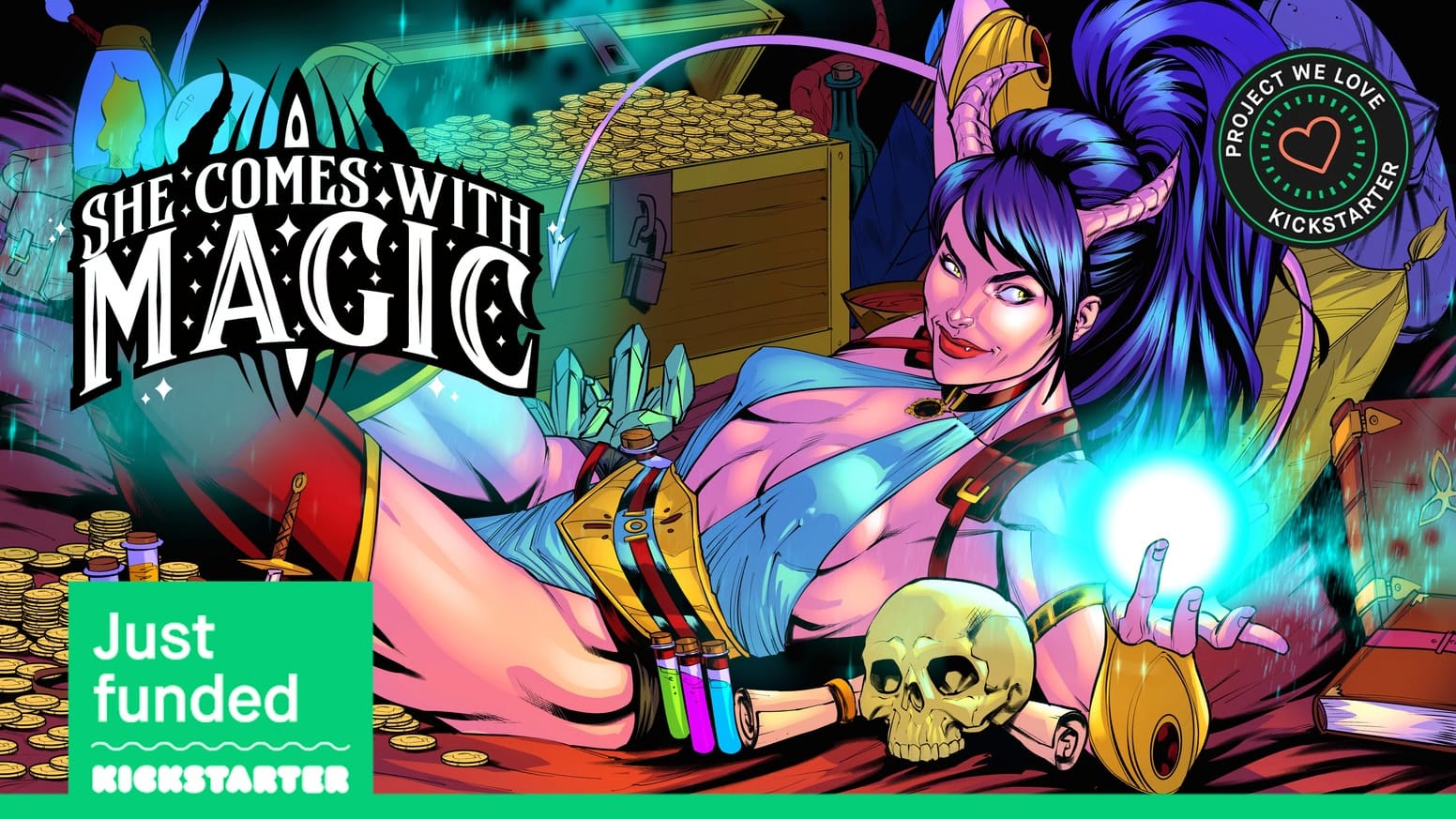
What makes you the most excited about this idea, and what makes you angry/sad/happy/energetic when you think of it? Lean into your passion that's inside the idea. The world needs your story, not your idea. It's got plenty of those. —Philip Sevy is the co-creator of She Comes With Magic.
04 Draw From Your Life
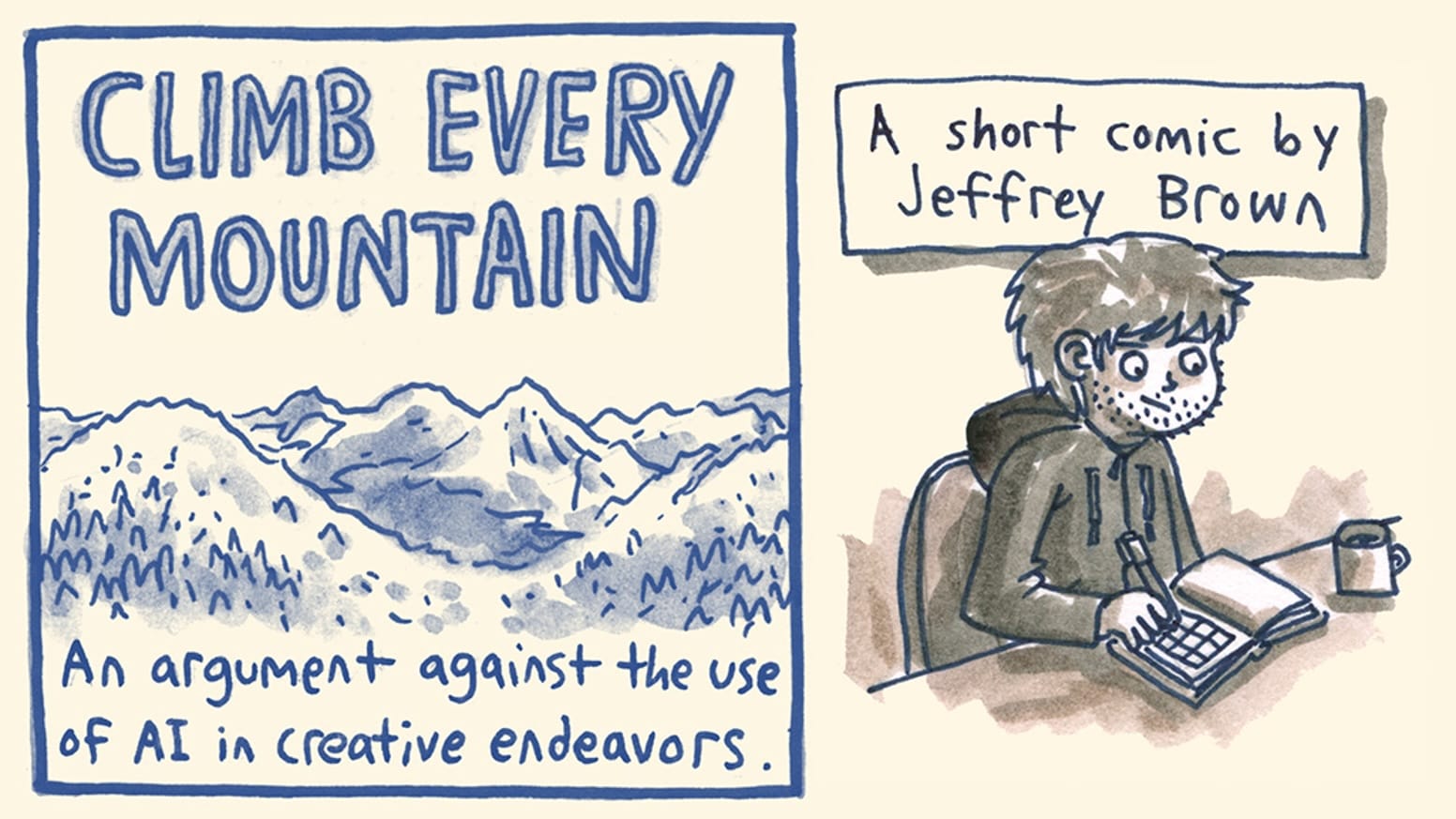
There's an old axiom to write what you know, but you don't have to do that in purely straightforward ways. I've drawn Star Wars comics that were really about my life as a parent, and Marvel superhero graphic novels that were really about observing friends who taught middle school, and cat books—well, the cat books really are about cats, but hopefully you get the point. Whether you're writing fantasy or horror or whatever, if you pull inspiration from your own experiences, you'll not only have a deeper well of material to draw from, you'll also find that your stories feel more personal, relatable, and meaningful. —Jeffrey Brown is the creator of Climb Every Mountain.
05 Set Your Story in the Place You Know Best (or a Fictional Version of It)
Few people consider where they live to be as exotic or interesting as somewhere else, but everywhere has its regional or cultural specificity. Drawing on the place that you know best can give your work not only a unique flavor, but a direction that you may not have expected. A haunted house story set in a suburban McMansion is going to be very different from one set in a trailer park, or a college dorm, or in a favela. A crime story set in Singapore is going to be very different from one set in French Lick, Indiana. A romance at a magnet high school in Colorado is going to be very different from a romance at a struggling magazine publishing office in Edinburgh. The setting helps to determine the story's requirements.
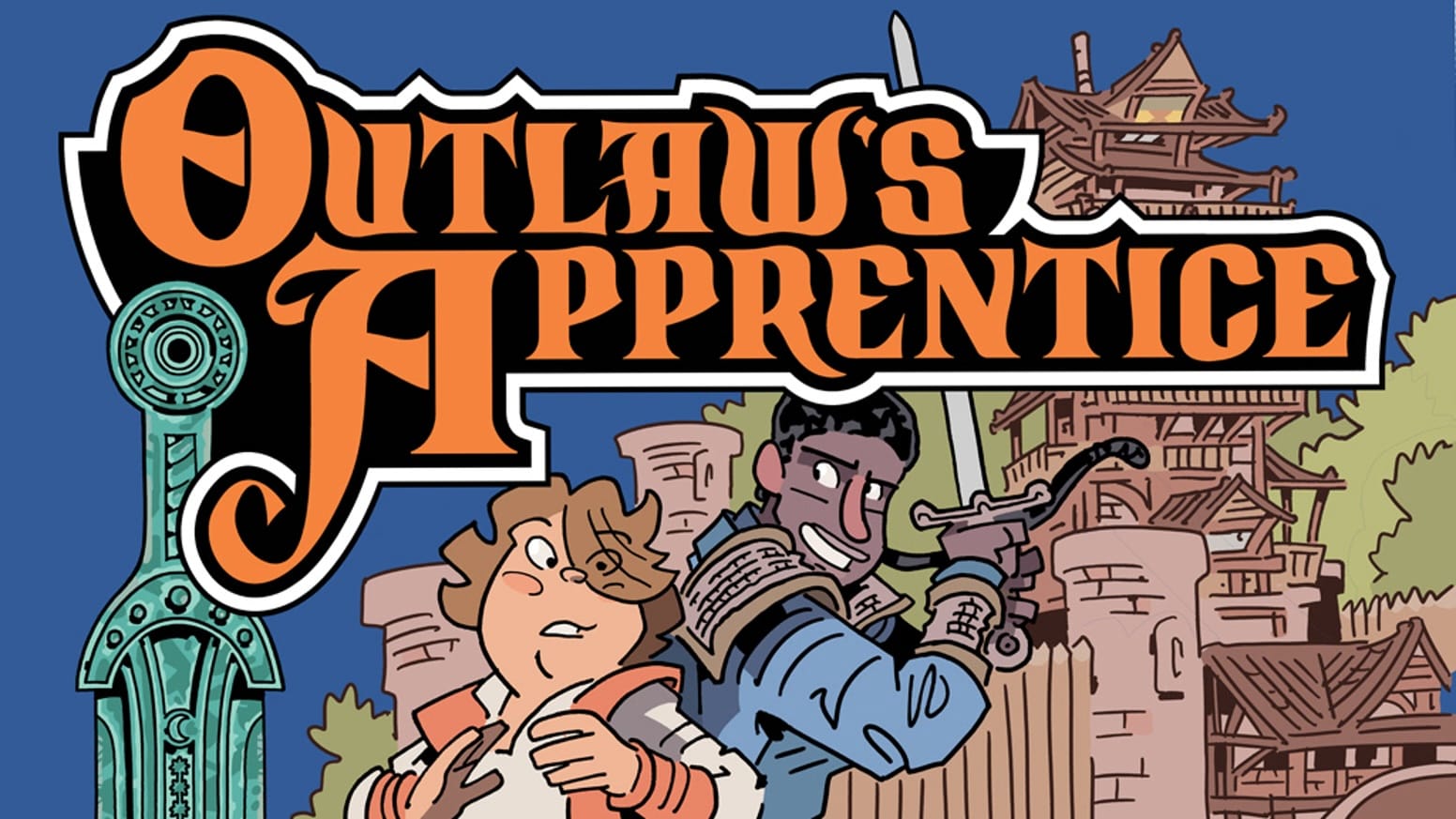
The place you know best will help you shape the narrative according to what can, or would, happen there. It’ll provide you with verisimilitude and details that make the story and its setting feel real to its reader. And it can immerse you more deeply in its making; giving you the chance to spotlight the things you love, to fight against the things you don’t, and to wrestle with the aspects of your home of which you’re conflicted. If your story requires a fictional locale - a fantasy country, or a space colony, or an invented town - see how much of your own locale can be used to inform it. —Chris Schweizer is the creator of Outlaw’s Apprentice: Broken Blade.
06 Focus on Characters and Relationships
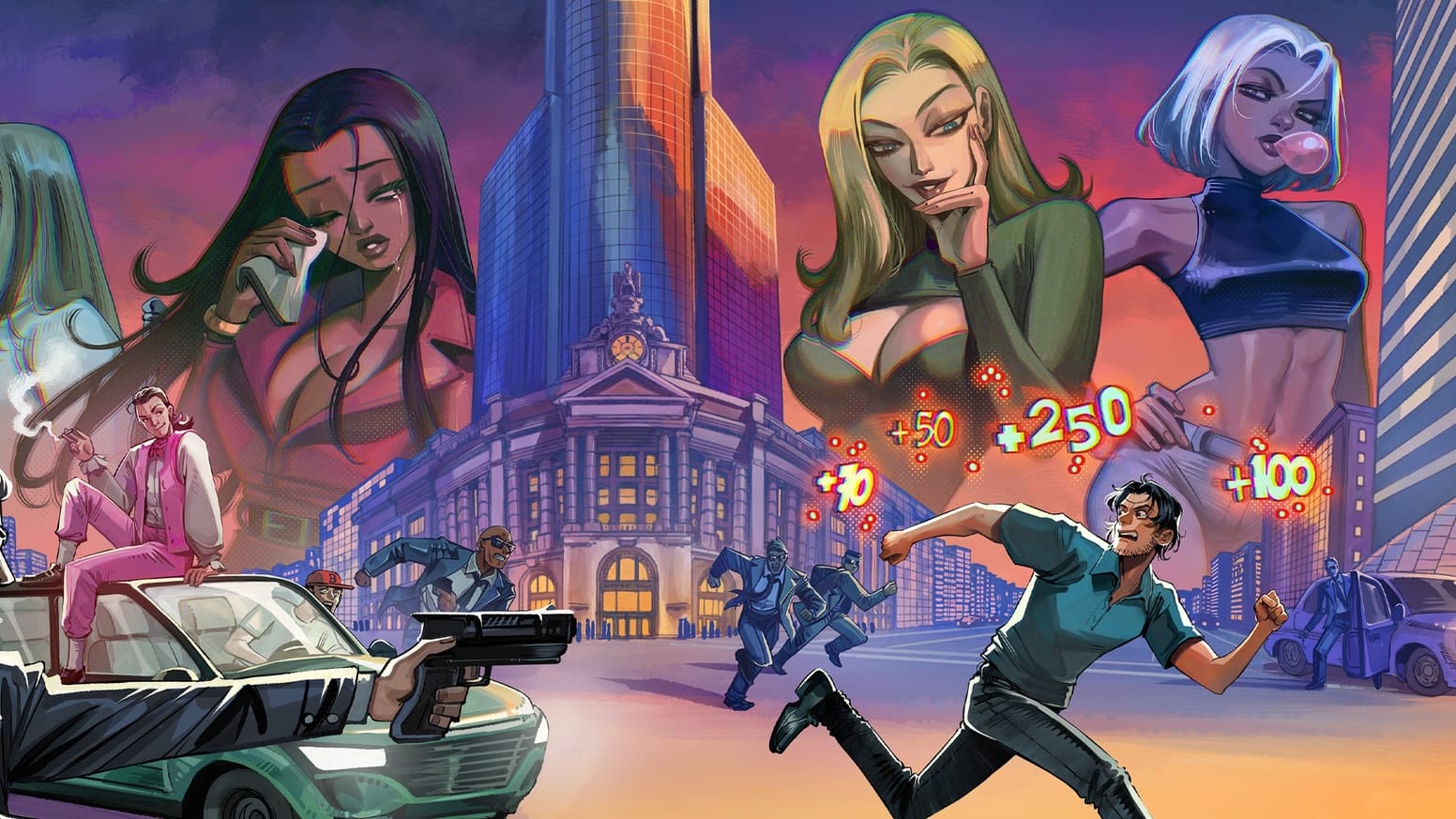
People invest emotionally in comics because they care about the characters in the books and what happens to them. One way to begin your story is to find a relationship dynamic that interests you and have that start your narrative. For instance, the forbidden love prompt can be spun in so many different ways to give you an initial direction for your fantasy, sci-fi, or horror series. Focusing your story through that lens can help you navigate, giving you a thematic north star to return to if your narrative hits a roadblock. —Charlie Stickney is the co-creator of The Game.
07 Don’t Be Afraid To Blend Genres
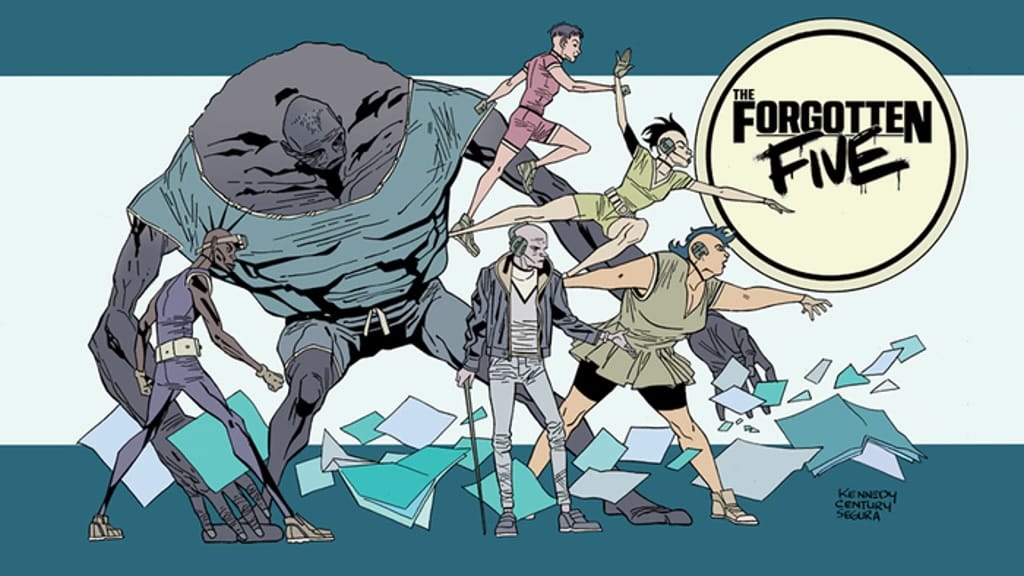
I mention this to a lot of creatives, but genre is for marketing folk to decide. These groupings literally exist when it comes time to shelve your book somewhere in a bookstore. But when it comes down to you, and what you want to create, don't feel stifled by imaginary lines or rules. Want to create a sci-fi vampire cozy? Intrigued about the potential for your historical steampunk romance? Go for it! The more unique and YOU the idea, the better chance it'll resonate. —Alex Segura is the co-creator of The Forgotten Five.
08 Beat Writer’s Block with Music and Movement
Getting inspired isn’t usually a problem for most comic book creators I know, but on those days when you need a bit of a jump-start to flesh out an idea or problem-solve a tricky story beat, my go-to, never-fails advice is this:
1. Put together a soundtrack for the comic you’re working on. It might be an existing movie or television score, or a compilation of songs appropriate to the tone of the thing you’re writing. Pretend you’re making a trailer for the film version of your story.
2. Go for a walk (or a run—as long as you’re moving) and put your soundtrack playlist on repeat while you walk. Let the music conjure images and scenes in your head and get lost in them. It usually takes me 15-20 minutes of walking before my mind is purged of all the stupid, day-to-day thoughts and the good stuff starts creeping in, which it definitely will. (If it doesn’t, walk longer).
3. When you get home inspired (you will be!) make sure you WRITE DOWN THE MOST INTERESTING BITS so you don’t forget them. I often fail to do this, assuming I’ll remember it all (I won’t).
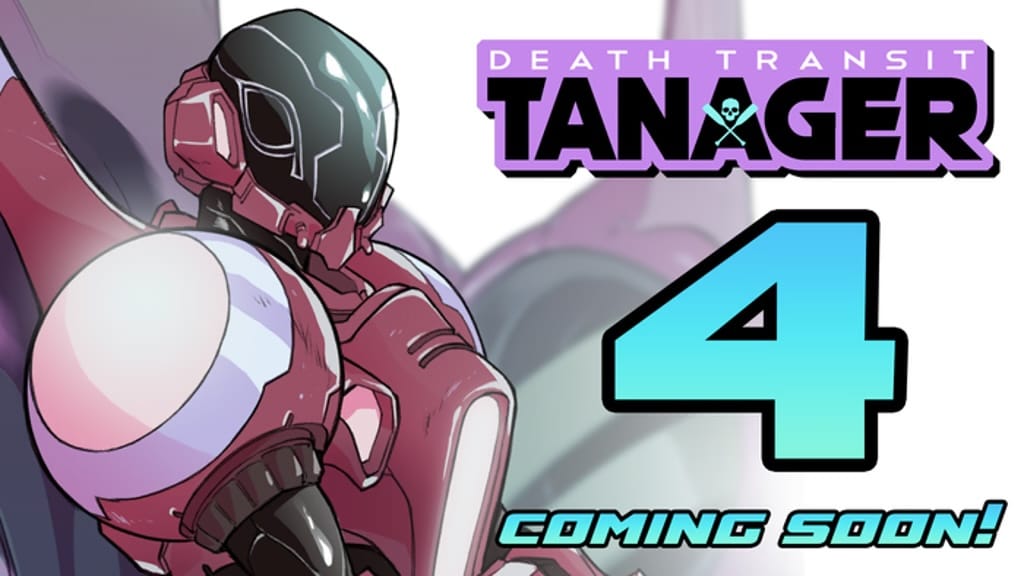
And that’s it! Works every time AND it’s good for you. —Karl Kerschl is the creator of Death Transit Tanager.
09 Don’t Just Play in Public Domains—Ask What Makes YOUR Take Special?
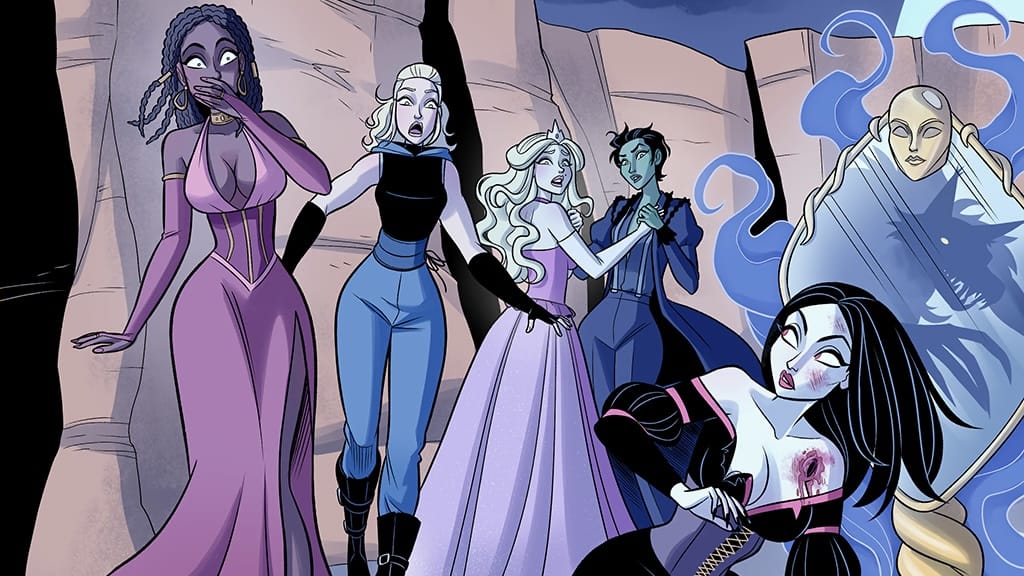
An easy way to create an audience is by exploring a topic that readers already know, and what better way than public domains? Stories like The Wizard of Oz, Alice in Wonderland, The Great Gatsby, even Steamboat Willie are all in the public domain, but you can’t just plaster Wonderland on your book and expect hundreds of backers. There are tens of hundreds of creators ALSO doing public-domain comics, so you need to figure out what makes yours unique. Is it queer, is there a horror twist, did you gender bend the leads? This is the key to a successful Kickstarter! —Kat Calamia of Lifeline Comics is the co-creator of Fairy Tale Wars.
10 Don’t Skimp on the Cliffhangers
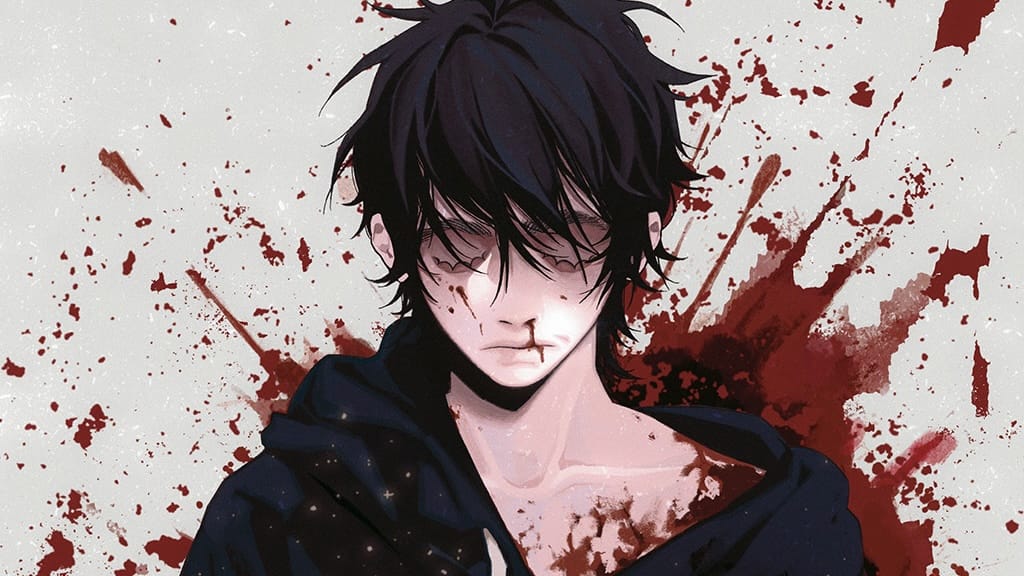
A strong cliffhanger is the cornerstone of the comics medium. From the earliest days of comics, a jaw-dropping final page has been instrumental in keeping readers coming back month after month. With short, serialized stories, it’s imperative to leave readers hungry for the next installment. During the plotting phase, build your major reveals and twists around your individual issue cliffhangers. Each issue should feel satisfying as a story in its own right while also giving readers a compelling reason to come back and continue the larger story.
Did he just die?! Did she just come back to life?! Are they secretly lovers? Or sworn enemies?! Give me that next issue NOW! —Phil Falco of Lifeline Comics is the co-creator of Haunting.
11 Remember Your Audience
Creators building a Kickstarter campaign have A LOT on their minds that straddle the pragmatic and the artistic: How much is a reasonable goal amount? How do I pitch the story in a compelling way? What are some eye-catching reward tiers that might entice folks to take a chance on my project?
When you're juggling a million plates at once, it can be easy to lose sight of the most important aspect of your campaign: your audience. Endeavor to keep a clear picture of who your audience is when building your campaign. Write out a list of the potential backers for whom your project might appeal.
Would your single-issue comic sell easily in a comic shop? Make sure to include a retailer tier! Would kiddos really love your comic? Consider including a study guide to help parents engage in the story with their young readers! Is your graphic novel made for library readers? Type out your "Story" text rather than including it in images, so that library pros can easily copy and paste it into their system.
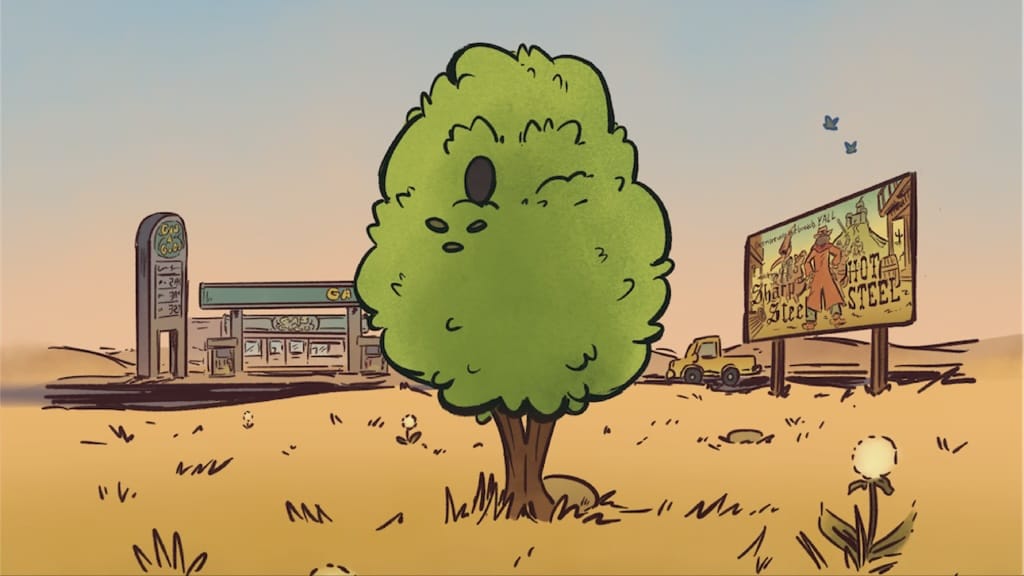
Once you have a clear vision of your audience, (most) everything will fall into place. —Barbara Dillon is the Editor-in-Chief of Fanbase Press and editor of Shrub: The Collected Edition.
Think it’s time to create your own comic? Learn how crowdfunding can help make your story a reality. With the help of these tips, why not get started?
