
From Kickstarter to Retail Shelves: How to Expand Beyond Crowdfunding
Building a successful e-commerce business after Kickstarter is very possible. Here is the step-by-step approach to how you can successfully navigate the transition from Kickstarter to brick-and-mortar retail.
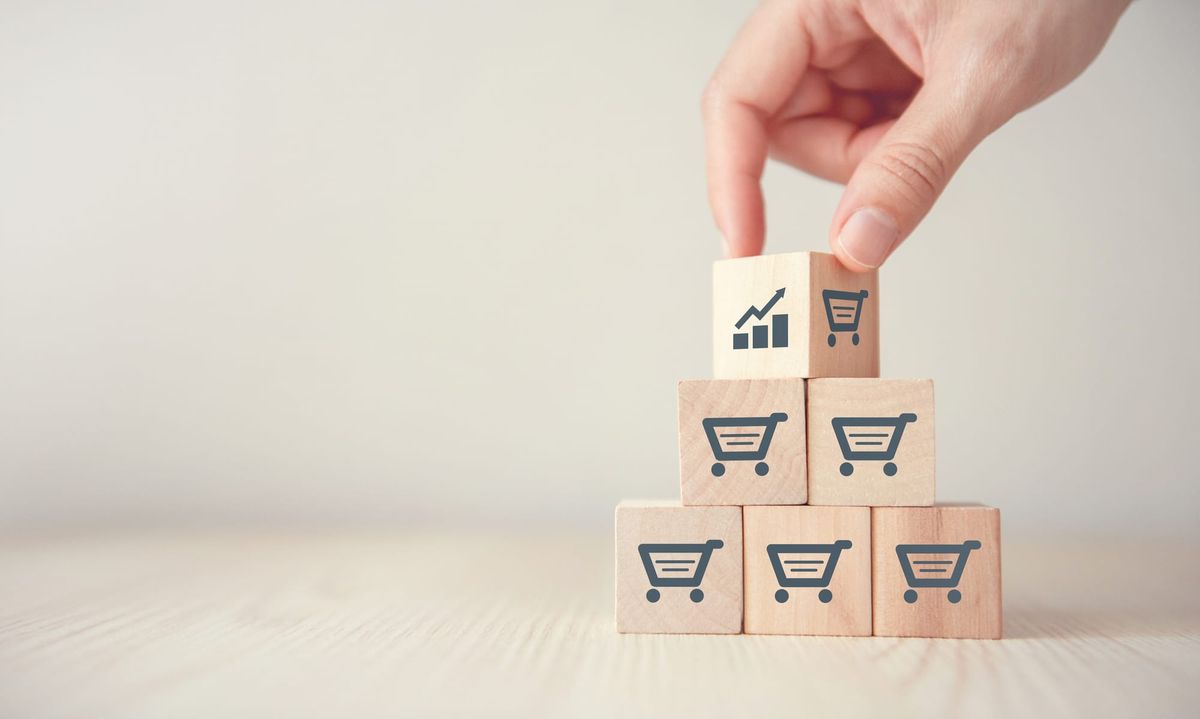
For many consumer product brands, Kickstarter is the perfect launching pad. It provides easy access to capital, creating a community of supporters and the ability to validate products before investing a large sum of money.
However, relying solely on crowdfunding platforms like Kickstarter also comes with challenges. The product campaign may not successfully fund, the project timeline may have to be extended, and additional capital may be needed over and above from backers to develop the product. Expanding beyond crowdfunding to retail shelves can help you build a stronger and more sustainable business.
Building a successful e-commerce business after Kickstarter is no small feat. It requires mastering algorithms, managing logistics, and standing out in a crowded space. But for many growth-stage brands, launching on Kickstarter is just the beginning. If you want to truly scale your brand, diversify your revenue streams, and build lasting customer loyalty, expanding into physical retail is the next logical step.
Moving from a digital storefront to physical shelves offers incredible opportunities, but it also comes with a unique set of challenges. It requires a shift in strategy, operations, and mindset. However, the rewards — increased brand visibility, access to new demographics, and higher sales volume — are well worth the effort.
Here is how you can successfully navigate the transition from Kickstarter to brick-and-mortar retail.
 Kickstarter
Why Expand to Physical Retail?
While e-commerce continues to grow, physical retail still accounts for around 70% of total US retail sales. Ignoring this channel means leaving a significant amount of revenue on the table. Beyond the raw sales numbers, there are compelling strategic reasons to move your brand offline.
Increased Brand Presence and Credibility
Seeing a product on a screen is one thing; seeing it on a shelf at a major retailer like Target or Nordstrom is another. Physical retail validates your brand in the eyes of consumers. It signals that you are an established, trustworthy player in the market. This "billboard effect" enhances your overall brand equity and can actually drive traffic back to your online channels.
Enhanced Customer Experience
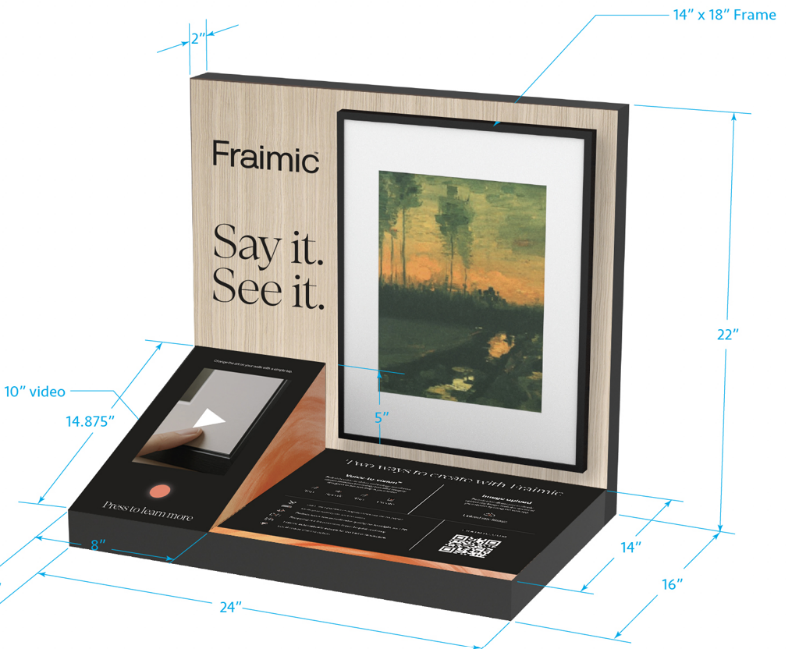
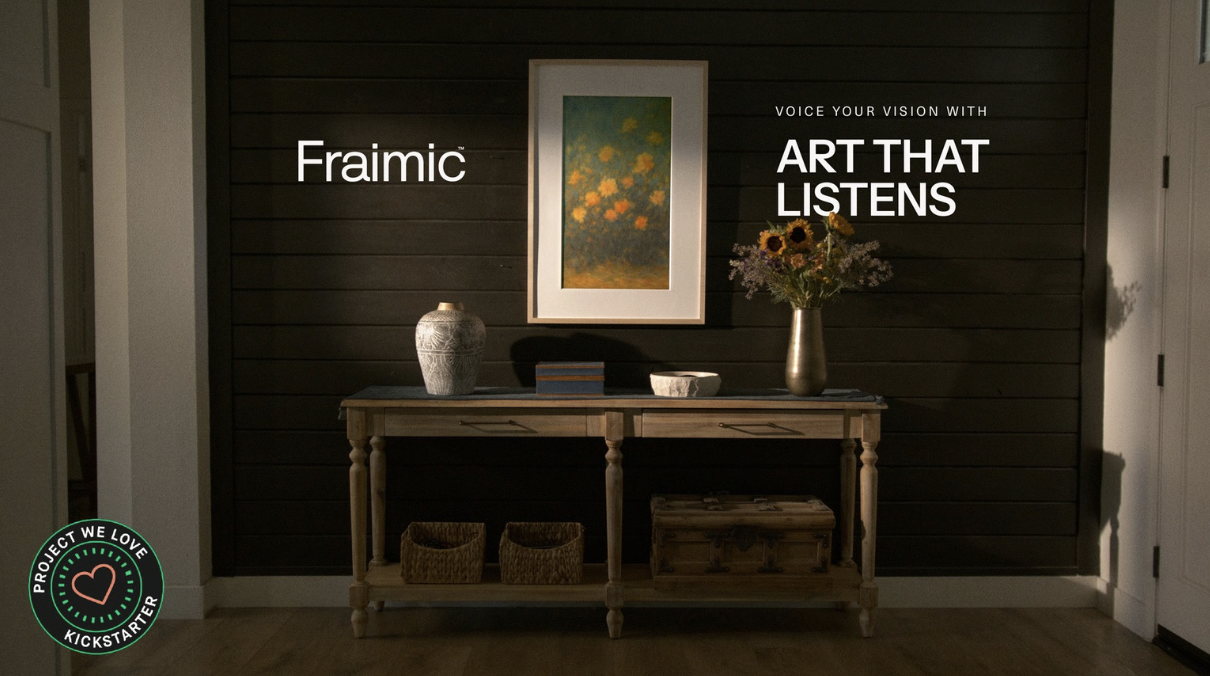
Retail offers a tactile experience that Kickstarter or e-commerce simply cannot match. In a store, customers can touch, feel, and even try your product before buying. This is particularly important for categories like apparel, beauty, and home goods, where sensory details matter. By creating immersive in-store experiences, you can deepen your connection with customers and foster greater brand loyalty. One of our clients, Fraimic, which had a successful Kickstarter campaign in 2025 is currently creating point-of-purchase displays for brick-and-mortar retailers.
Reaching New Demographics
Not everyone shops online for everything. There are large segments of the population who prefer the immediacy and convenience of local shopping. Expanding to physical retail allows you to tap into these demographics, including older generations or impulse buyers who might not discover your brand through digital advertising.
Challenges of Transitioning to Physical Retail
Transitioning from an e-commerce-centric model to a wholesale retail model is not a copy-paste exercise. It requires adapting to a completely different business environment. Being aware of these hurdles is the first step toward overcoming them.
The Cost of Doing Business
On Kickstarter as well as e-commerce, your costs are primarily fees, advertising, and shipping. In retail, the cost structure changes significantly. You need to factor in wholesale margins, potential slotting fees, chargebacks, and the costs of retail-ready packaging. Furthermore, unlike the quick payout cycles of Kickstarter or e-commerce, retail terms often involve Net 30, 60, or even 90-day payment cycles, which can strain cash flow.
Inventory Management
Managing inventory across multiple channels is complex. You cannot simply pull stock from your factory in China to fulfill a drop-ship retail order for example. Retailers have strict compliance guidelines regarding labeling, palletizing, and delivery windows. Failure to meet these requirements can result in costly chargebacks and damaged relationships with buyers.
Staffing and Support
Supporting a retail channel requires a different skillset than managing a Kickstarter or e-commerce. You may need to hire sales reps, account managers, and field marketing teams to ensure your product is properly merchandised and promoted in-store.
 Kickstarter
Strategies for a Successful Transition
Success in retail doesn't happen by accident. It requires a deliberate, data-driven approach. Here are key strategies to guide your expansion.
Leverage Your Data
One of your biggest advantages as a crowdfunded / e-ecommerce brand is data. You know exactly who buys your product, where they live, and what they say about it in reviews. Use this information to pitch retail buyers.
- Geographic Data: If you have a high concentration of sales in the Northeast, target regional retailers in that area first.
- Customer Reviews: Use positive reviews as social proof in your sell sheets and presentations.
- Sales Velocity: Show retailers your growth trajectory to prove consumer demand.
Start Small with Pop-Ups or Local Boutiques
You don't need to launch in 500 stores on day one. In fact, that is often a recipe for disaster. Consider testing the waters with pop-up shops or partnerships with independent boutiques. This allows you to gather real-world feedback on your packaging, pricing, and in-store merchandising before committing to a large-scale rollout with a national chain.
 Etai Rahmil
Focus on "Retail-Ready" Packaging
Plain white or brown box packaging that works for e-commerce often fails in retail. On Kickstarter or ecommerce websites, the image does the selling. In a store, the box does the selling. Your packaging needs to stand out on a crowded shelf, clearly communicate your value proposition, and protect the product without the aid of a bubble mailer. Investing in professional packaging design is non-negotiable for retail success.
Build an Omnichannel Strategy
Your online and offline channels should not compete; they should complement each other. An effective omnichannel strategy ensures a seamless customer journey. For example, use your email list and social media to drive foot traffic to your new retail partners. Conversely, include QR codes on your retail packaging that lead customers to your website for warranty registration or community engagement.
Prepare Your Supply Chain
Retailers demand reliability. Before you sign a contract, audit your supply chain. Do you have the manufacturing capacity to handle large purchase orders? Do you have a logistics partner who understands retail compliance? Ensuring your operations are scalable is critical to avoiding out-of-stocks and maintaining buyer trust.
 Kickstarter
The Future of Your Brand is Omnichannel
Expanding from Kickstarter to physical retail is a major milestone. It signals that your brand has graduated from a digital startup to a true market contender. While the transition involves risks — from cash flow management to supply chain complexity — the potential for growth is undeniable. Ask Peloton, Oculus, Ring, Oura, Ooni, LARQ, Allbirds, and Tile if they are happy launching into retail after they fulfilled their crowdfunded backers.
By leveraging your e-commerce data like from Kickstarter, refining your product for the physical shelf, and approaching retailers with a strategic mindset, you can successfully navigate this shift. Retail offers an unparalleled chance to create hands-on experiences that drive both sales and loyalty, securing your brand's place in the daily lives of consumers.
The shelf space is there. Are you ready to take it?
Ready to go from crowdfunding to retail?
Getting your product on a retailer’s shelf requires a different strategy than selling directly to consumers. Learn how Retailbound helps crowdfunding creators make the transition to retail.
Retailbound is a comprehensive agency that helps crowdfunding brands launch and scale their products in over 150+ retailers in both the US and Canada. Specializing in bridging the gap between product creators and retailers, Retailbound offers a range of services from retail strategy development, buyer engagement, sales management and channel marketing support. Whether the client is a startup or an established brand, Retailbound provides expert guidance to increase their retail presence, navigate buyer relationships, and drive sales growth both in-store and online.
